
Un corso d’acqua ricco di misteri e un ecosistema immenso. È su queste sponde che ho calato le mie lenze innumerevoli volte, a caccia di quelle carpe selvatiche che partono a razzo e ti fanno infuocare la frizione.
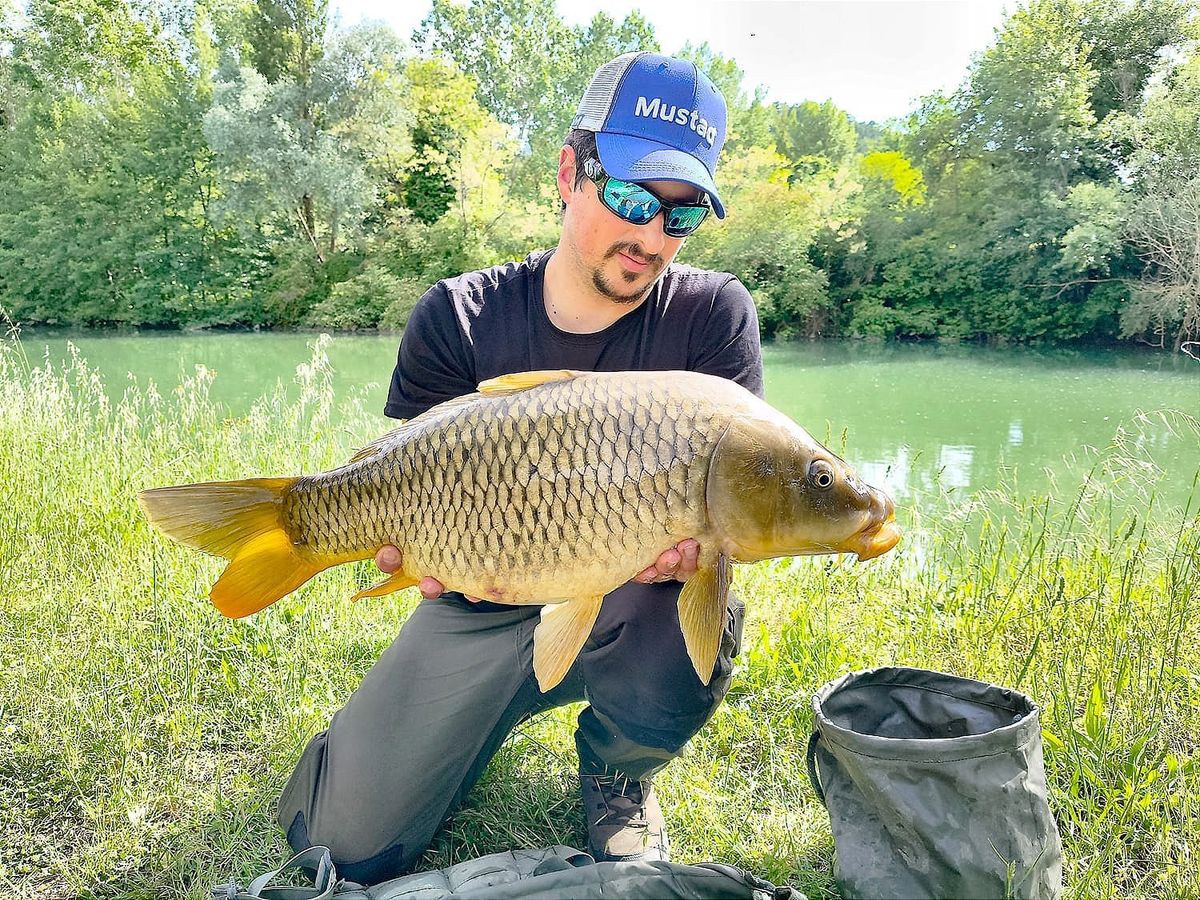
foto in alto: l’autore con una bella carpa regina del Tevere.
Siamo in Umbria, nell'Italia centrale. Non abito molto lontano dalle sponde del Tevere, ma la logistica richiede comunque una pianificazione attenta, l'ideale per incastrare tutto in modalità “una notte e via”. Adoro questo fiume perché è parte integrante della mia storia. Avendo vissuto in varie regioni, mi sono sempre trovato a muovermi a breve distanza dal suo corso. È un ambiente che nasconde segreti e una biodiversità incredibile, popolato da carpe, siluri, carassi, scardole, breme, pesci gatto, barbi di dimensioni enormi e tanti altri. In questo articolo, però, voglio concentrarmi sulla tecnica che pratico fin da bambino, il carpfishing.
Ritorno all'essenza - Quando il tramonto dipinge d'oro e di nebbia le acque del Tevere, il tempo sembra fermare il suo corso. Con l'oscurità la natura si riappropria dei suoi spazi e la rugiada si posa soffice sulle sponde, liberando nell'aria quel profumo di terra bagnata che sa di libertà. La vera essenza di questa disciplina si nasconde proprio in questa totale fusione con l'ignoto, nel dormire con gli occhi rivolti alla volta del cielo, carico di stelle infinite e dolcemente cullati dal respiro segreto dei boschi. È una quiete sacra, spezzata soltanto dal tonfo sordo e improvviso di un grande pesce che rompe lo specchio dell’acqua nella notte, un suono che ti cattura l'anima e ti lascia nel sacco a pelo a sognare giganti invisibili, in attesa del grido improvviso della centralina che spezzerà il silenzio per regalarti una cattura e l’adrenalina pura! Provo ancora gli stessi brividi oggi, come tanti anni fa. Per me quel suono ha un'eco particolare, che mi riporta ai momenti bellissimi vissuti con i miei nonni, che oggi purtroppo non ci sono più. Erano loro a portarci negli spot più belli d’Italia. Ricordo le serate a ridere fuori dal camper aspettando di poter incontrare quelli che allora ci sembravano mostri giganti, mentre ascoltavamo le loro storie di vita vissuta. Oltre al mio lavoro, è soprattutto per questi ricordi puri che vivo ancora questa disciplina, il carpfishing, con una passione immutata.
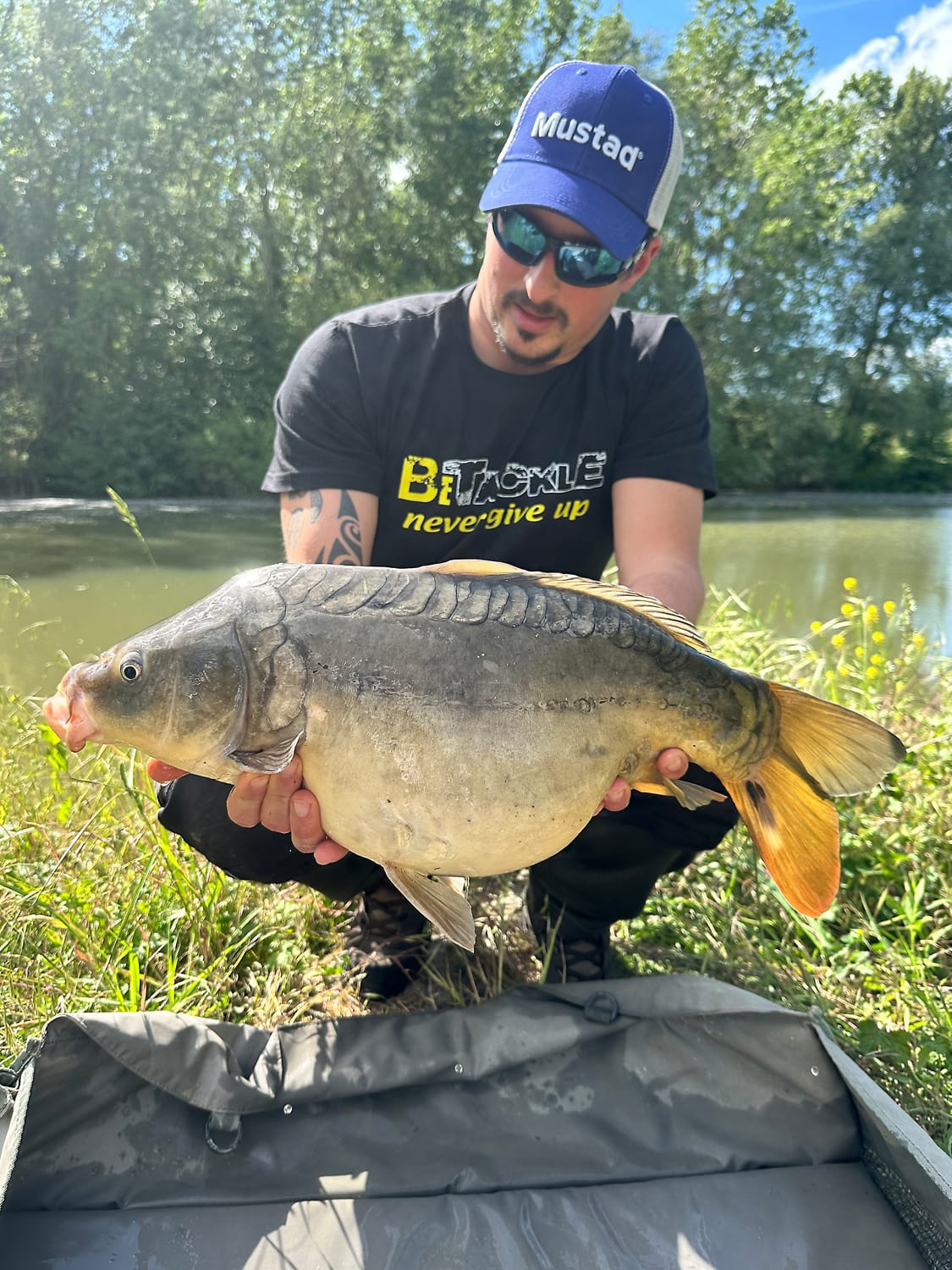
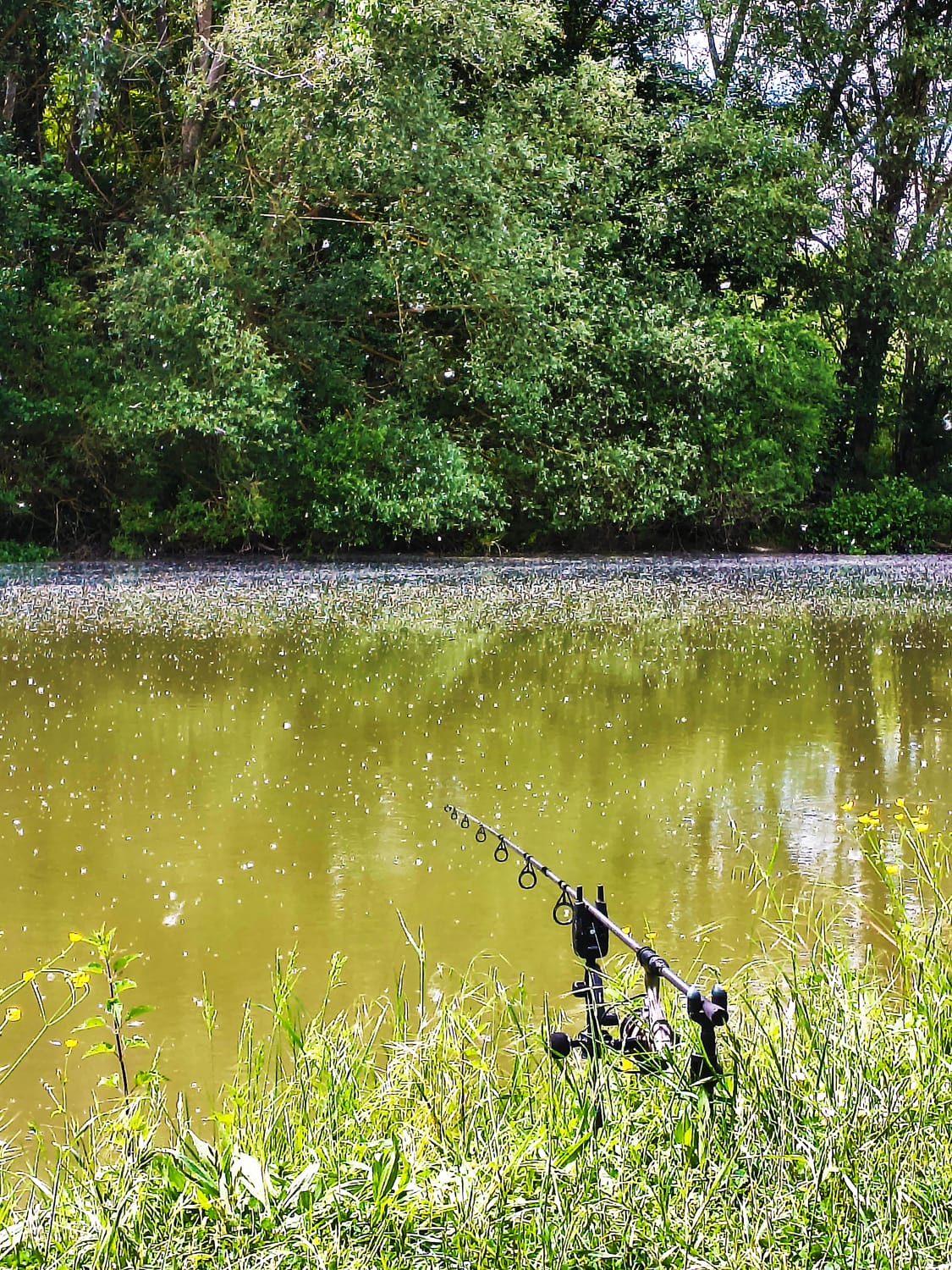
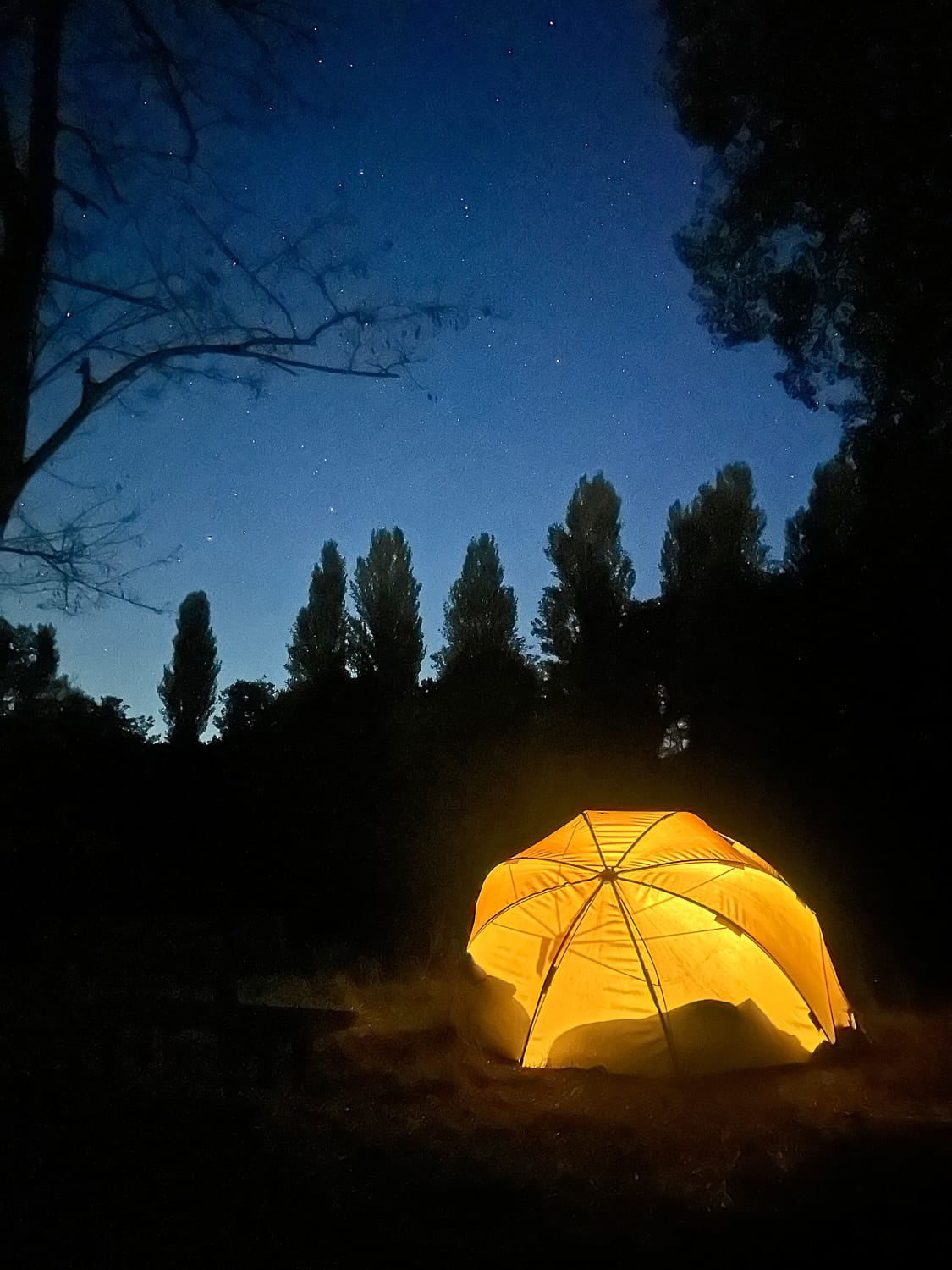
L’autore solleva dal materassino una bella carpa a specchi. In primavera il Tevere si riempie dei fastidiosi piumini dei pioppi che costringono all’utilizzo del tendifilo per affondare le lenze. L’essenza del carpfishing è nella totale immersione nella natura e di notte, a fare compagnia al pescatore, rimangono le stelle e il silenzio del fiume, rotto solo dal rumore dei pesci in superficie.
Strategia e tecnica - Ma entriamo nel vivo di una sessione tipo su questo fiume. Preparo l’attrezzatura e carico la macchina con la tenda a montaggio rapido, il lettino, le borse, i viveri e tutto il necessario per la pesca. Scelgo canne potenti, capaci di reggere il colpo contro pesci energici che puntano dritti al cuore delle legnaie. Qui si pesca a ridosso degli ostacoli, a lancio o calando con gommone e barchino e anche se la corrente non è esagerata servono comunque astuzie precise. Presentare l'esca vicino ai rami sommersi significa usare la frizione pratica- mente chiusa, ingaggiando un vero braccio di ferro fin dal primo secondo, motivo per cui i picchetti vanno piantati alla perfezione. Anche sui mulinelli ragiono a seconda della distanza, montando il trecciato sulla lunga distanza perché la sua rigidità aiuta a forzare subito il pesce lontano dai guai, e preferendo il nylon nel sottoriva, dato che l'elasticità del filo ammortizza le ripartenze furiose ed evita brutte slamate. In acqua calo montature blowout o blowback, scegliendo boilies bilanciate se il fondo è sporco o esche hard se c'è troppa minutaglia, sempre bilanciando l’innesco. Proteggo poi l'amo con un sacchettino in Pva pieno di pellet “veloci” e boilies tagliate a metà che hanno il pregio di non rotolare sul fondo. Di solito posiziono l'in- ganno sotto le fronde della sponda opposta, dove l'acqua calma offre riparo e cibo alle carpe. Mi piace però tentare anche la carta del centro fiume, dove negli anni ho perfezionato una pasturazione a "V" con esche spezzate, ideale per intercettare i pesci di passaggio e convogliarli dritti sulla mia esca, ed è proprio così che di solito arrivano le partenze delle vere big.
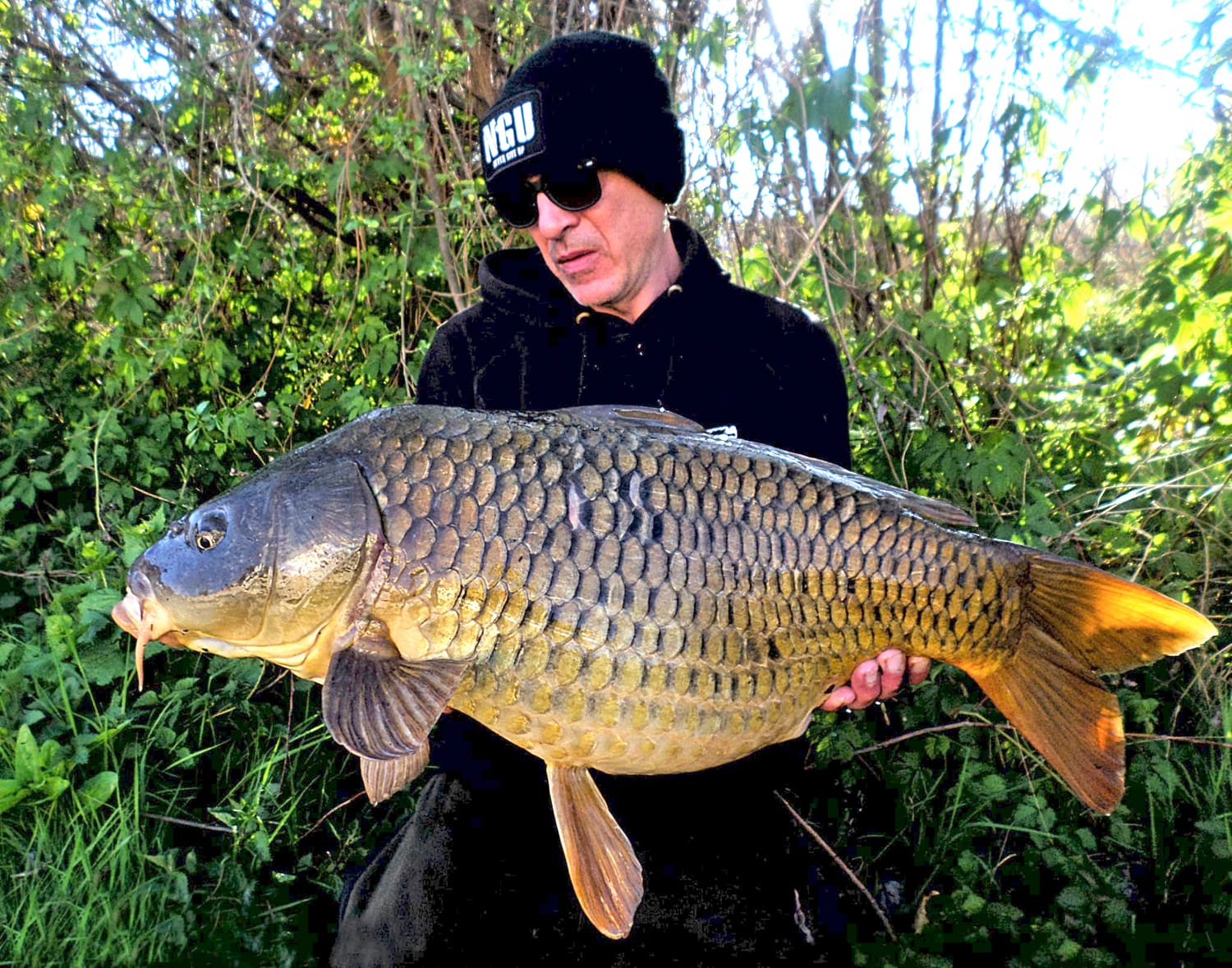
Golden hour - Ad un tratto, mentre sorseggio un caffè, il silenzio si spezza con il fatidico “urlo” dell'avvisatore. Lo swinger si impenna impazzito, quasi a voler compiere un giro completo e io scatto con il cuore in gola per ferrare. Sento subito una resistenza potente! A frizione quasi serrata ammortizzo le prime testate furiose, in un gioco di forza millimetrico dove ogni millesimo di secondo conta per evitare il disastro. Il pesce combatte con rabbia ma fortunatamente cede, esce dalle legnaie e si dirige verso il centro del fiume, dandomi finalmente il brivido di giocarmi il tutto per tutto a suon di “sfrizionate”. Le carpe del Tevere sono creature incredibili, magari non colossali in questo tratto, ma dotate di una potenza selvaggia e di bocche granitiche, plasmate dalla corrente. Un ultimo, estenuante sforzo ed eccola scivolare nel guadino; un esemplare magnifico, una possente regina del Tevere umbro. Il tempo di una foto veloce per imprimere il ricordo e poi la restituisco subito al suo regno, libera nel flusso della corrente. Nelle fast session la pasturazione gioca un ruolo fondamentale. Bisogna infatti attirare velocemente il pesce sull'esca e per questo uso boilies spezzate che favoriscono l'emulsione rapida delle sostanze in acqua abbinate a liquidi attrattori ricchi di aminoacidi che ne aumentano l’attrazione. Prima di calare, però, è fondamentale sondare il fondo per non posarsi su rami o ostacoli artificiali. Se l'ecoscandaglio facilita il compito, a mano occorre fare qualche lancio di controllo con un piombo, e se recuperando si avvertono erbai o fogliame, conviene cambiare spot. Il centro fiume di solito è più pulito, ma un controllo non guasta mai. Un'altra bella gatta da pelare, specialmente in primavera, sono i piumini dei pioppi. Diventa essenziale l'uso di tendifilo a corda o scorrevoli per affondare la lenza ed evitare che i grumi si incastrino nei nodi dello shock leader, compromettendo il recupero in bobina. Vivere questi ambienti significa dissolversi nella natura circostante, diventando un tutt'uno con il respiro stesso del fiume. Stare seduti sulla sponda nelle prime ore del mattino, con le mani strette attorno a una tazza di caffè fumante mentre la nebbia si alza leggera dall'acqua primaverile, è un rituale che non ha eguali. In questo luogo sospeso, il silenzio e i suoni della sponda si fondono in una sinfonia antica, dove il tuffo di un martin pescatore in caccia e lo schiaffo improvviso di una coda sull'acqua si alternano per ricordarti che sei vivo, esattamente lì dove dovevi essere. Sono frammenti di pura magia, emozioni autentiche e primordiali che solo la pesca sa regalare.
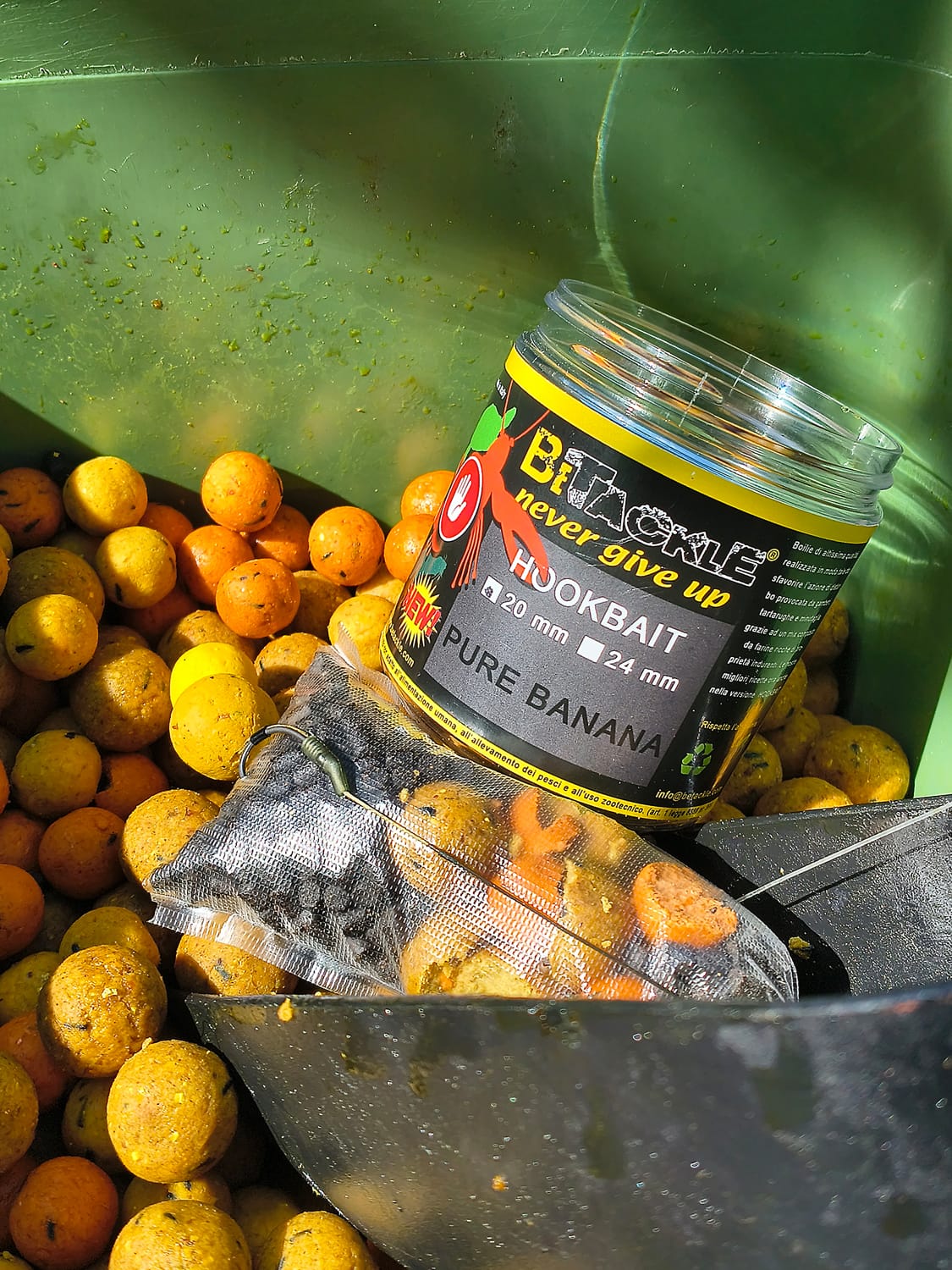
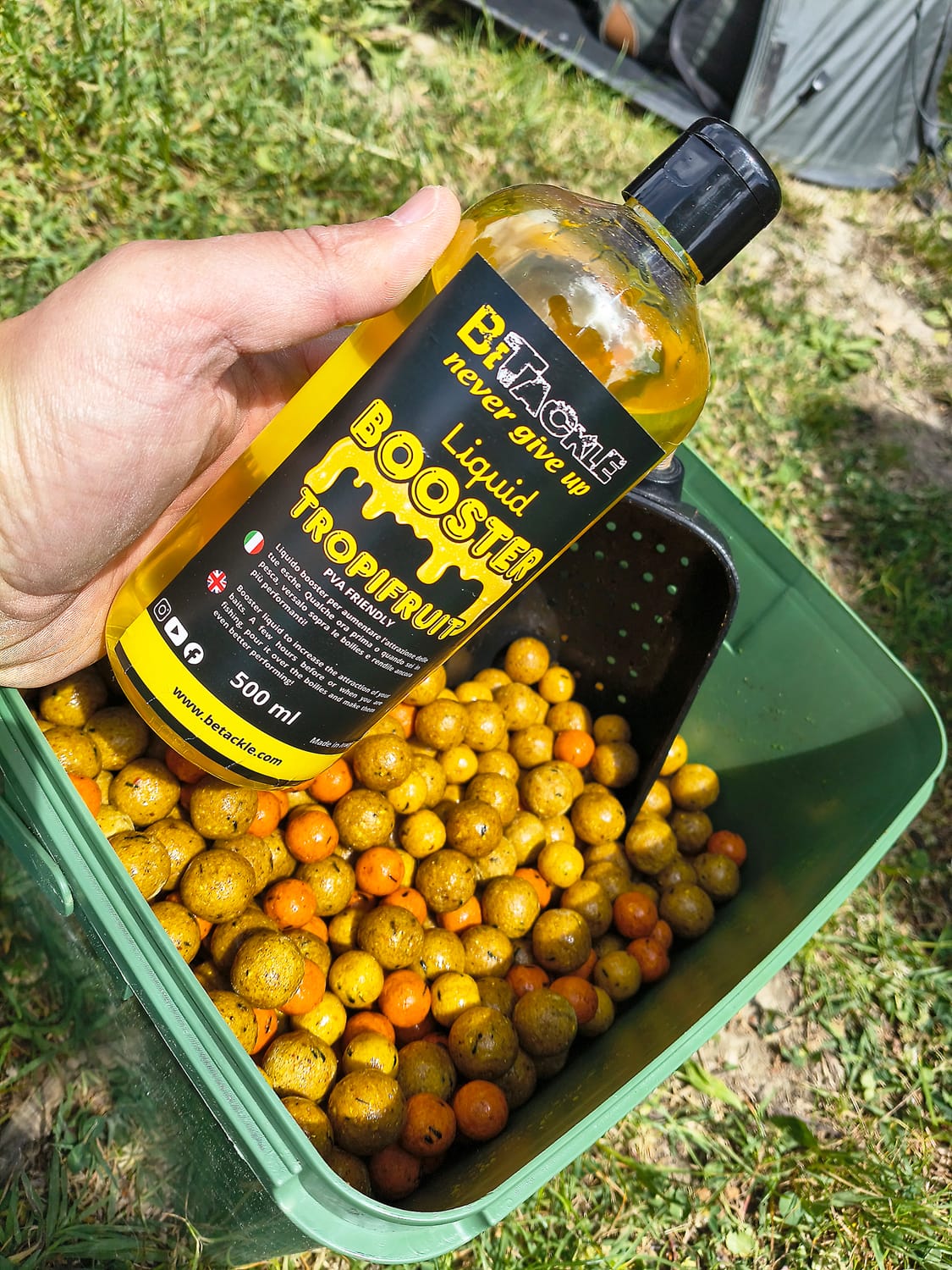
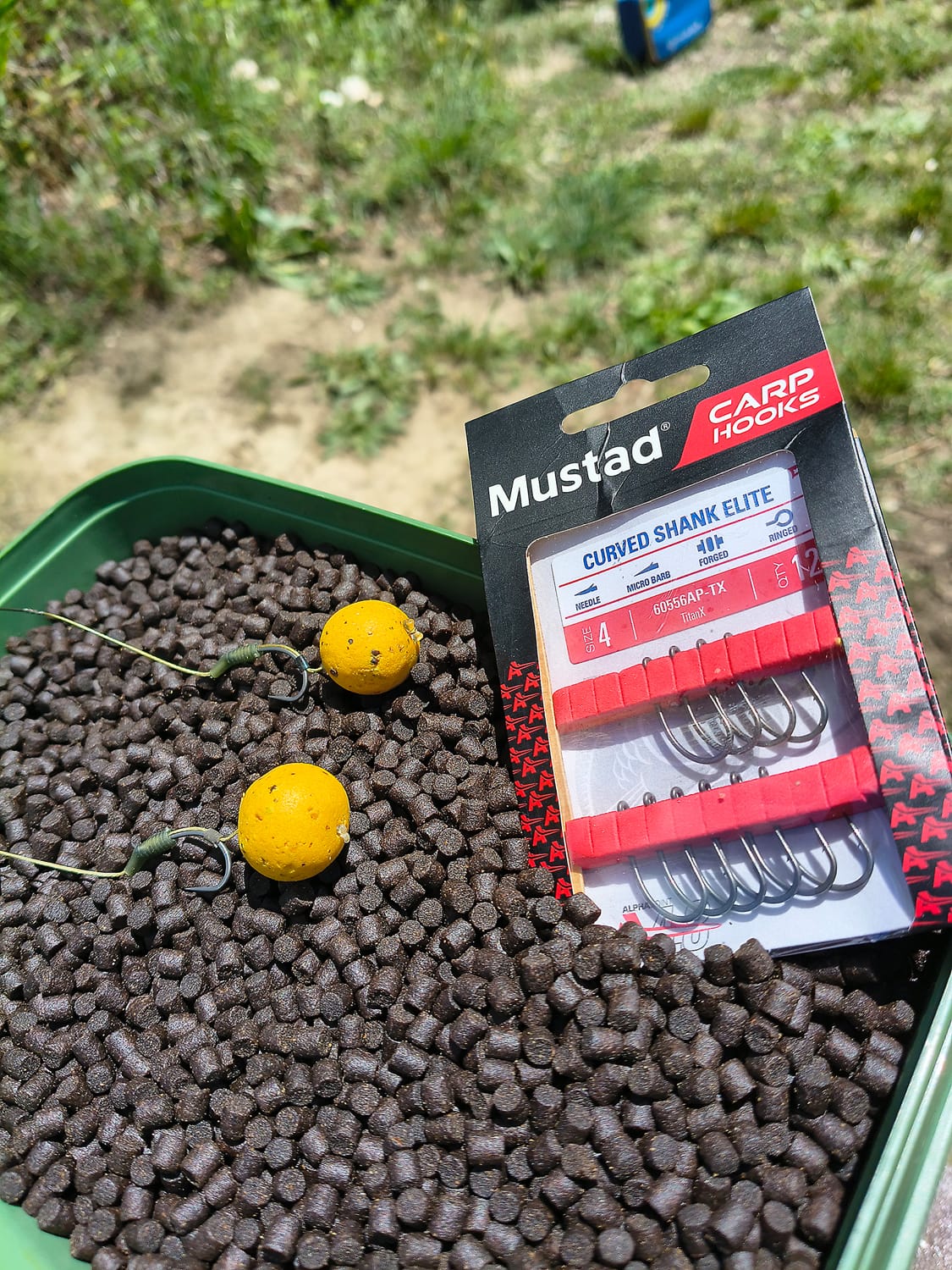
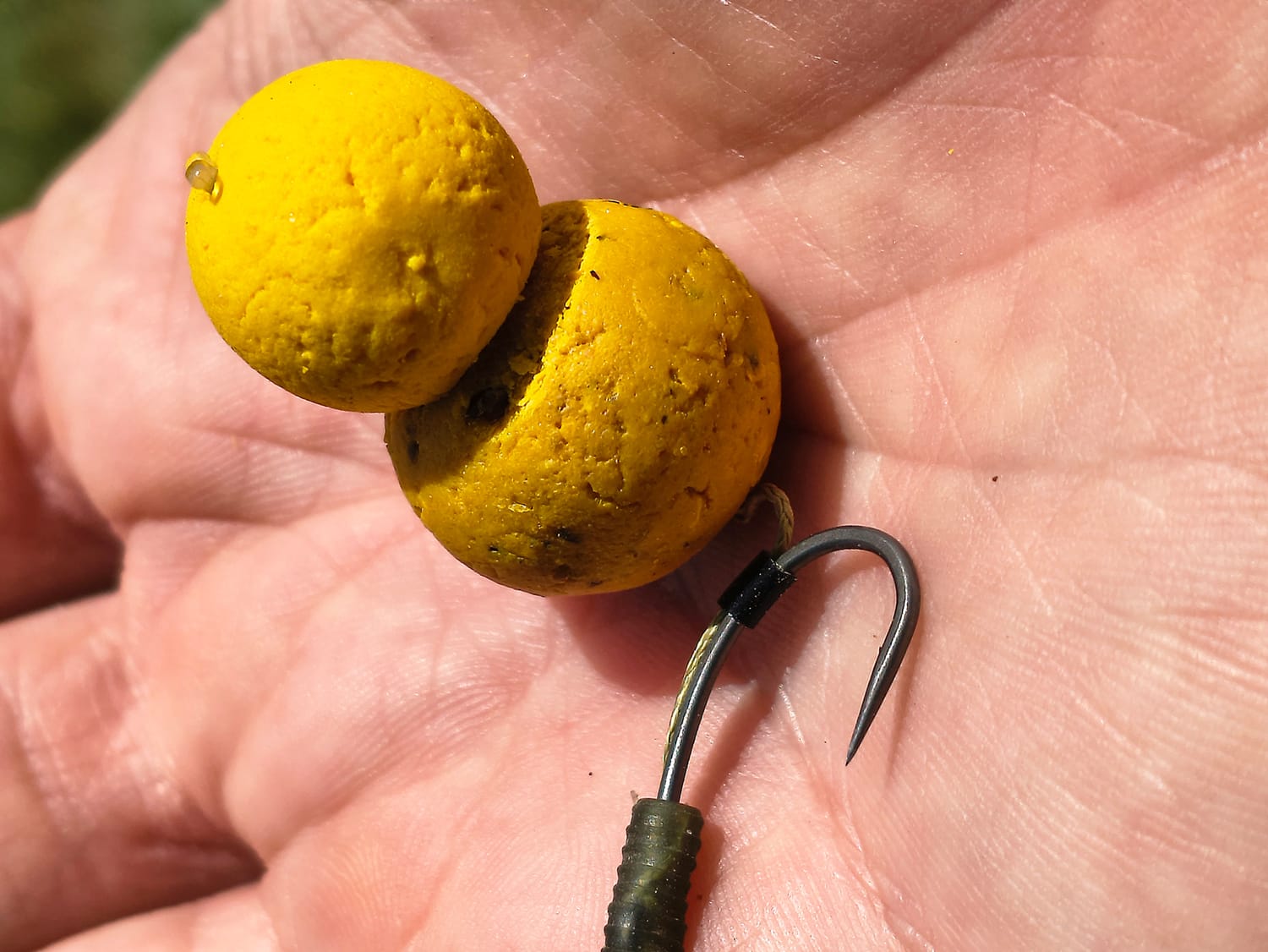
Per aumentare la capacità catturante delle esche si possono utilizzare specifici liquidi attrattivi. Boilies aromatizzate e pellet si usano sia per l’abbonante pasturazione che come inneschi.
English version
We're in Umbria, central Italy. I don't live far from the banks of the Tiber, but the logistics still require careful planning, ideal for fitting everything into a "one night stand" scenario. I love this river because it's an integral part of my history. Having lived in various regions, I've always found myself within easy reach of its course. It's an environment hiding secrets and incredible biodiversity, populated by carp, catfish, crucian carp, rudd, bream, catfish, enormous barbel, and many others. In this article, however, I want to focus on the technique I've practiced since I was a child: carp fishing.
Back to the essence - When the sunset paints the Tiber's waters gold and mist, time seems to stand still. With darkness, nature reclaims its space, and the dew settles softly on the banks, releasing into the air that scent of wet earth that smells of freedom. The true essence of this discipline lies precisely in this total fusion with the unknown, in sleeping with your eyes turned to the sky, laden with infinite stars and gently lulled by the secret breath of the woods. It is a sacred quiet, broken only by the sudden, dull splash of a great fish breaking the surface of the water in the night, a sound that captures your soul and leaves you in your sleeping bag dreaming of invisible giants, waiting for the sudden cry of the control unit that will break the silence to give you a catch and pure adrenaline! I still feel the same thrills today, as I did so many years ago. For me, that sound has a special echo, taking me back to the beautiful moments spent with my grandparents, who sadly are no longer with us. They were the ones who took us to the most beautiful spots in Italy. I remember laughing outside the camper in the evenings, waiting to meet those who then seemed like giant monsters, while listening to their real-life stories. Beyond my work, it's above all for these pure memories that I still live this discipline, carp fishing, with an undiminished passion.
Strategy and technique - But let's get to the heart of a typical session on this river. I prepare the gear and load the car with the quick-assembly tent, bed, bags, food, and everything else I need for fishing. I choose powerful rods, capable of withstanding the blows of energetic fish that head straight for the heart of the woodpiles. Here, you fish close to obstacles, casting or lowering with a dinghy or small boat, and even if the current isn't strong, precise tricks are still required. Presenting the bait close to submerged branches means using the clutch practically closed, engaging in a real tug of war from the very first second, which is why the pegs must be planted perfectly. I also think about reels based on distance, using braided line for long distances because its rigidity helps immediately force the fish away from trouble, and preferring nylon for near-shore fishing, as the line's elasticity cushions furious runs and prevents nasty unhooking. In the water, I opt for blowout or blowback rigs, choosing balanced boilies if the bottom is dirty or hard baits if there are too many small fish, always balancing the bait. I then protect the hook with a PVA bag filled with "fast" pellets and boilies cut in half, which have the advantage of not rolling on the bottom. I usually position the bait under the foliage on the opposite bank, where the calm water offers shelter and food to the carp. I also like to try the mid-river approach, where over the years I've perfected a "V" baiting with broken baits, ideal for intercepting passing fish and directing them straight to my lure. This is exactly how the real big fish usually start.
Golden hour - Suddenly, while I'm sipping my coffee, the silence is broken by the fateful "scream" of the bite alarm. The swinger rears up like crazy, almost as if it's trying to make a complete turn, and I lunge, heart in my throat, to strike. I immediately feel a powerful resistance! With the clutch almost tightened, I cushion the first furious thrusts, in a game of millimetric strength where every millisecond counts to avoid disaster. The fish fights furiously but fortunately gives in, emerges from the woodsheds, and heads toward the center of the river, finally giving me the thrill of going all out with a series of "frictions." The Tiber carp are incredible creatures, perhaps not colossal in this stretch, but endowed with a wild power and granite mouths, shaped by the current. One last, exhausting effort and there she is, sliding into the landing net; a magnificent specimen, a mighty queen of the Umbrian Tiber. A quick photo to capture the memory, and then I immediately return her to her kingdom, free in the current's flow. In fast sessions, baiting plays a crucial role. You need to quickly attract the fish to the bait, so I use broken boilies that promote rapid emulsification of the substances in the water, combined with liquid attractants rich in amino acids that increase their attraction. Before dropping, however, it's essential to test the bottom to avoid landing on branches or artificial obstacles. While a depth sounder makes this easier, you should make a few control casts by hand with a lead weight. If you feel weeds or foliage while reeling, it's best to change spots. Mid-river is usually cleaner, but it never hurts to check. Another tricky thing to watch out for, especially in spring, are poplar down. Using rope or sliding line tensioners is essential to sink the line and prevent clumps from getting stuck in the shock leader knots, compromising the reel's ability to retrieve. Experiencing these environments means dissolving into the surrounding nature, becoming one with the very breath of the river. Sitting on the riverbank in the early hours of the morning, hands clasped around a steaming cup of coffee as the mist gently rises from the spring water, is a ritual unlike any other. In this suspended place, the silence and the sounds of the riverbank blend into an ancient symphony, where the dive of a hunting kingfisher and the sudden slap of a tail on the water alternate to remind you that you're alive, exactly where you were meant to be. These are fragments of pure magic, authentic and primal emotions that only fishing can provide.

Commenti ()