
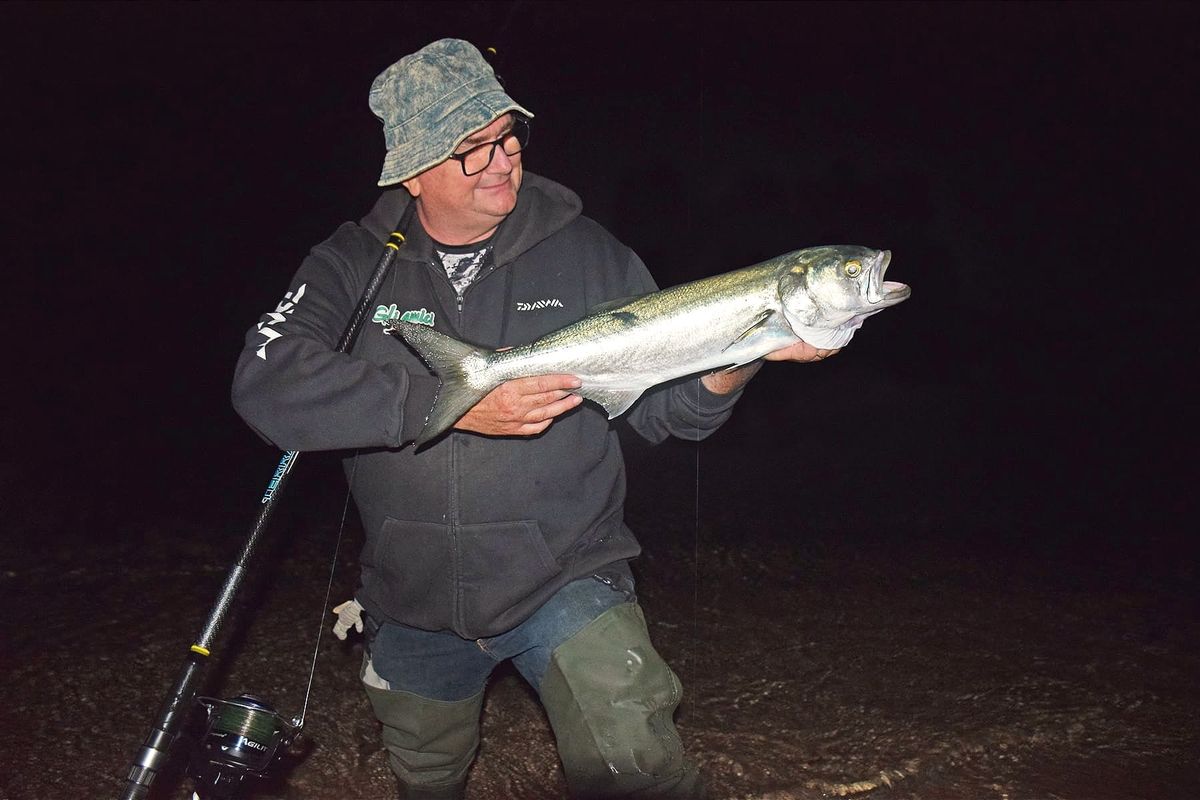
Sempre più piccoli, sempre più astuti. Negli anni i pesci serra, da predatori golosi e avventati, sembra siano diventati più accorti nell’arte dell’attacco. Noi dobbiamo adattare tecnica e attrezzatura. Partiamo dagli ami.
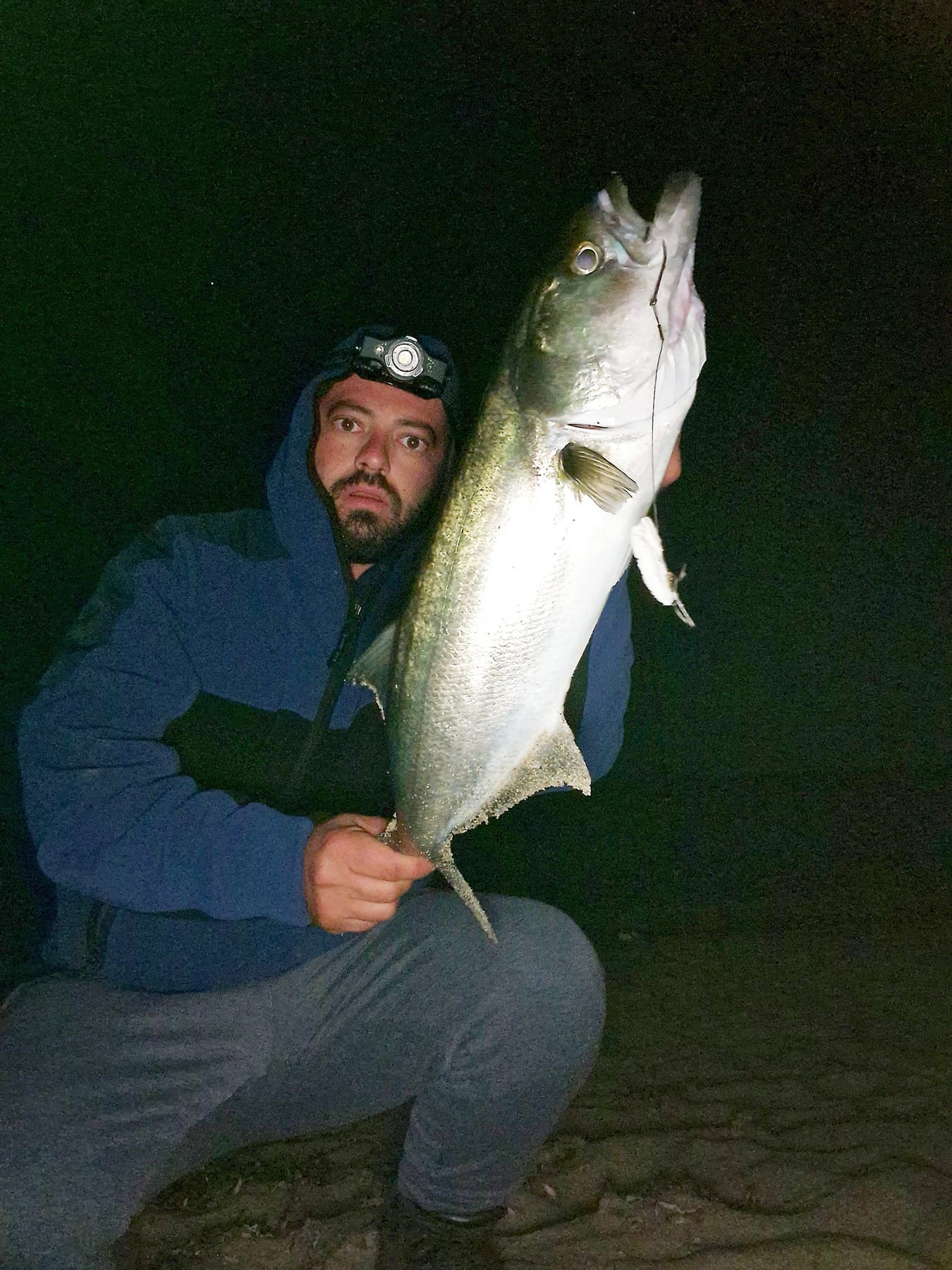
Nella foto in alto: l’autore con un serra pescato a Pula, sulla costa sud occidentale della Sardegna.
Nell’articolo di surfcasting dello scorso mese abbiamo illustrato le tante potenzialità degli ami rivestiti in teflon. E abbiamo visto come, partendo dall’enorme esperienza che i carpfisher hanno sviluppato sull’utilizzo di questi ami, si possa sfruttare un simile approccio anche nel surf in mare e in particolare nella pesca all’orata. Illustrando le proprietà del teflon, abbiamo evidenziato alcune caratteristiche che fanno di questo materiale un’ottima scelta. Tra queste la più interessante è il suo bassissimo coefficiente d’attrito, il più piccolo tra tutti i materiali conosciuti! Avete sicuramente capito dove voglio andare a parare… E se quindi sfruttassimo questo vantaggio anche nella pesca del serra col trancio? Sempre nell’articolo già citato, abbiamo mostrato come il sottile rivestimento in teflon preservi l’amo dall’azione negativa della salsedine. Ma questo vale sino a quando il rivestimento rimane integro. Ciò non può verificarsi con i serra, dotati di un apparato dentale affilatissimo che, al primo attacco scalfirà di sicuro la superficie. E anche un terzo vantaggio del rivestimento “magico” e cioè la capacità di rendere opaco l’amo, in pratica serve a poco, visto che i serra, in questa stagione estiva, li possiamo insidiare solo di notte quando il mimetismo dell’amo e del cavetto d’acciaio non hanno un peso significativo sul risultato finale. Ci soffermiamo quindi sul primo parametro, il minimo attrito che porta a una maggior scorrevolezza e quindi miglior efficacia nella penetrazione.
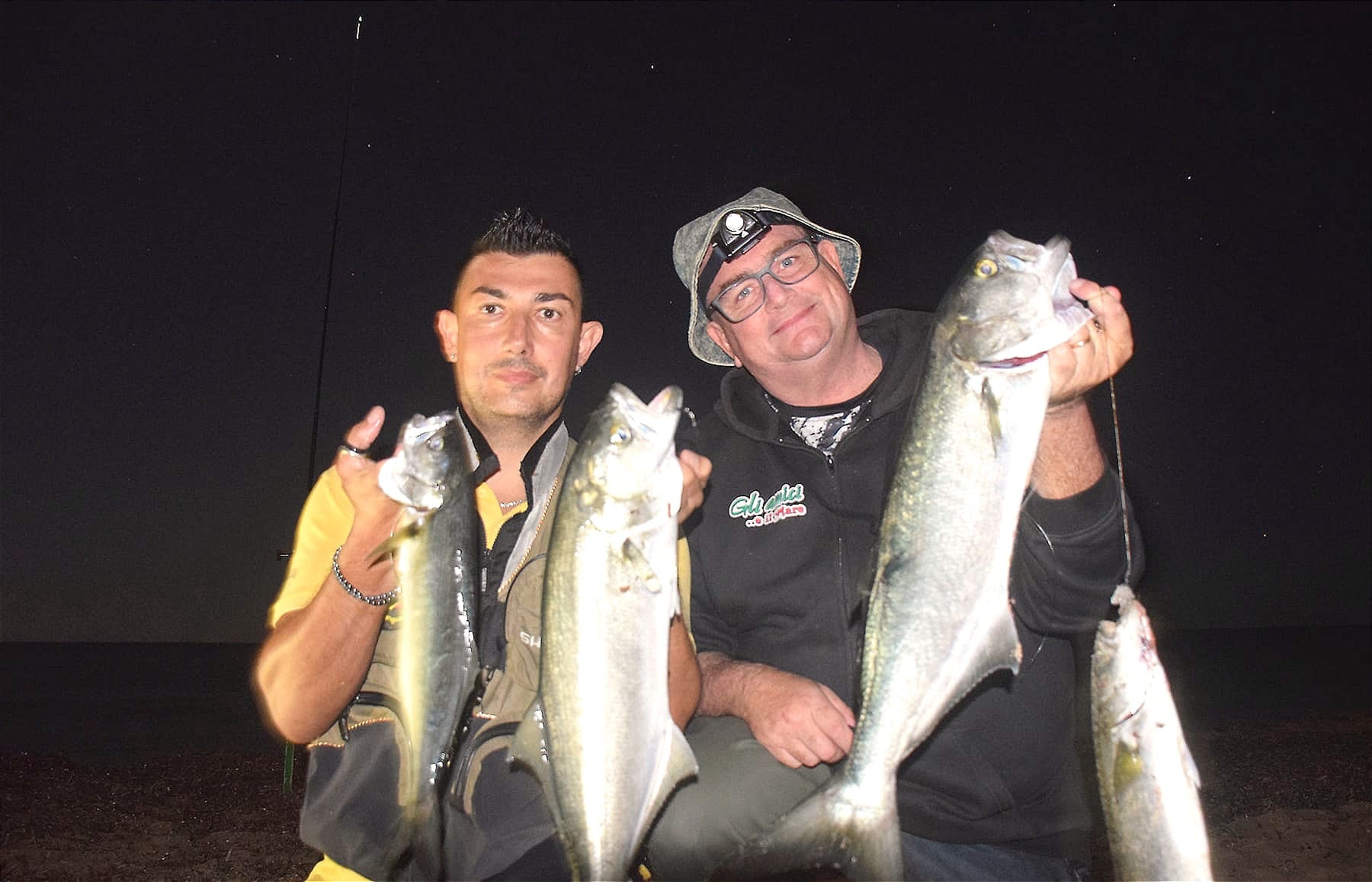
Ami da bluefish - Al serra e nello specifico alla tecnica con il trancio di muggine, Mondo Pesca ha dedicato tanti articoli, ma questa pesca sta avendo un’evoluzione enorme negli ultimi anni e ci costringe a rivedere e migliorare la tecnica. Il motivo principale è che ormai anche il Pomatomus saltatrix ha smesso di essere un predatore arrogante e “stupido”. Sono lontani i tempi nei quali bastava lanciare in acqua un boccone, preparato senza troppa cautela e attenzione e via, lo strike e la conseguente cattura erano molto probabili. Ora tutto ciò non vale più, l’abbiamo già evidenziato più volte in queste pagine. L’anno scorso abbiamo descritto la preparazione di piccoli inneschi costruiti intorno agli ami Aberdeen. Il lungo corpo sottile, è perfetto per dare struttura al trancio; la curva ampia e la punta sottilissima aiutano la penetrazione dell’amo nelle resistenti fauci del bluefish. E se a questi vantaggi aggiungessimo quello del teflon?
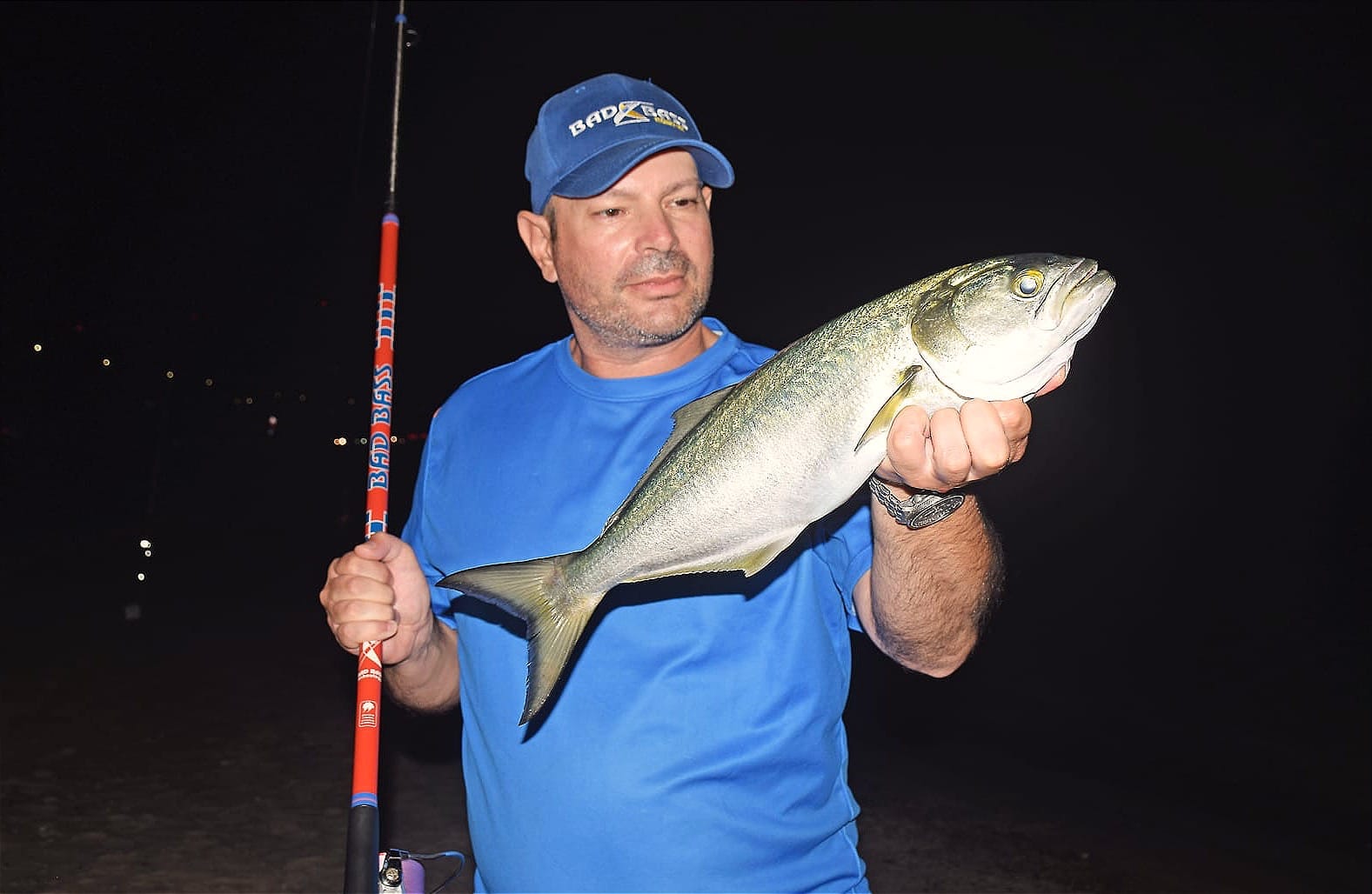
Serra e Ptfe - Si può fare! Esclamava Frankenstein Junior al cospetto dell’umanoide appena creato. Noi non abbiamo le stesse pretese, ci basta avere a disposizione una nuova arma. L’amo rivestito in Ptfe è molto più penetrante rispetto ad un amo normale. Questa caratteristica può diventare determinante ora che i serra attaccano le esche in modo svogliato, spesso masticandole e risputandole più volte. Anche quando trascinano l’esca per decine di metri, facendo scivolare la frizione del mulinello e piegando in modo improvviso la punta della canna, al momento della ferrata mollano la presa e ci lasciano a bocca asciutta! Non sempre, ma spesso ciò è causato dall’azione dell’amo. Un amo tradizionale non è detto che riesca a bucare la bocca del pesce, se questo non opera una violenta trazione e trascina l’esca in modo costante, senza testate. Il teflon di sicuro migliora la situazione e le prime prove sul campo hanno dato ottimi risultati. Certo, non è la soluzione definitiva, perché non di rado il predatore sembra sentire “l’odore” del metallo (dell’amo) e morde il trancio appena un po’ più in là. Non si può vincere sempre, è il bello della pesca. Ma il continuo perfezionamento della tecnica e dei materiali aumentano gli strike.
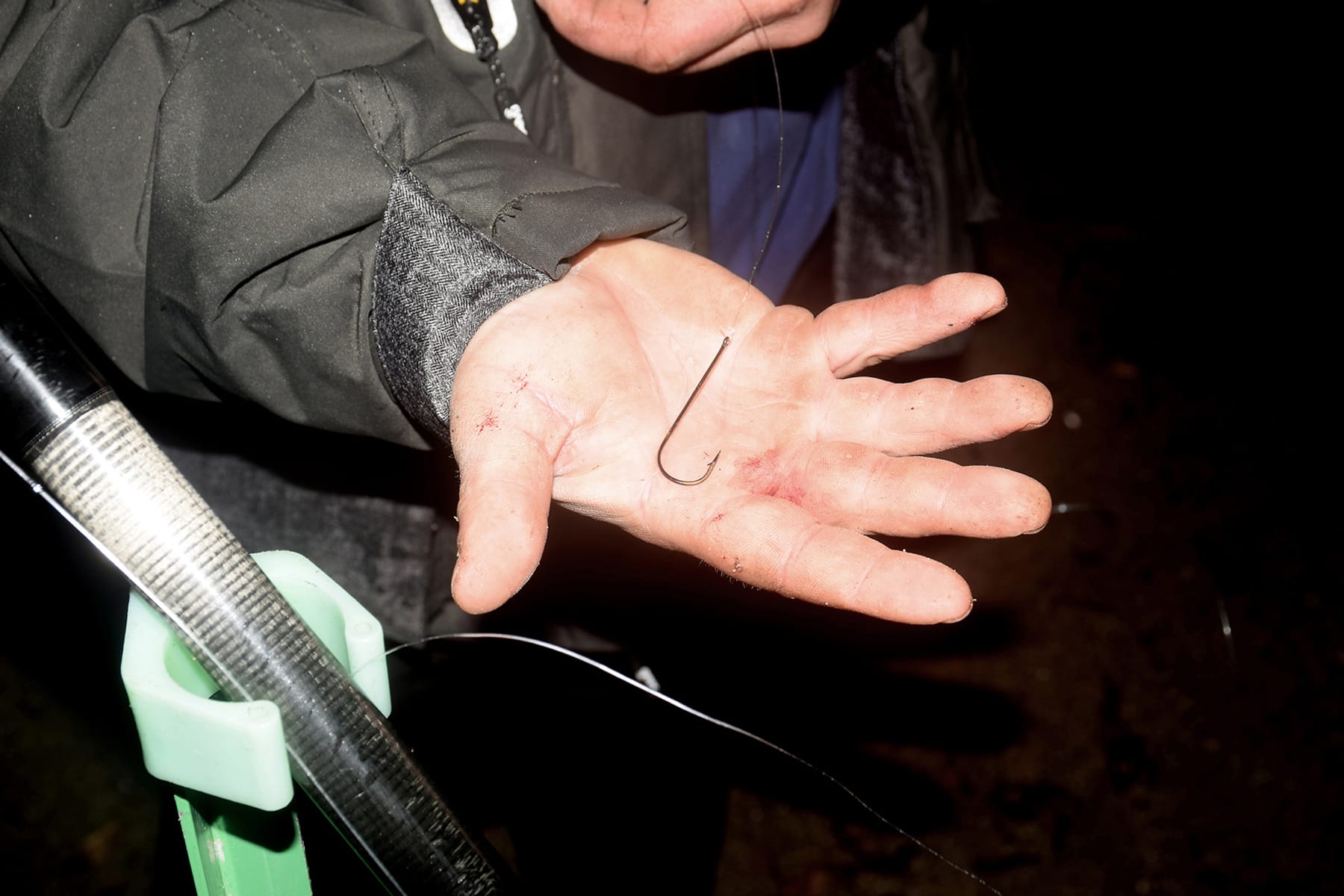
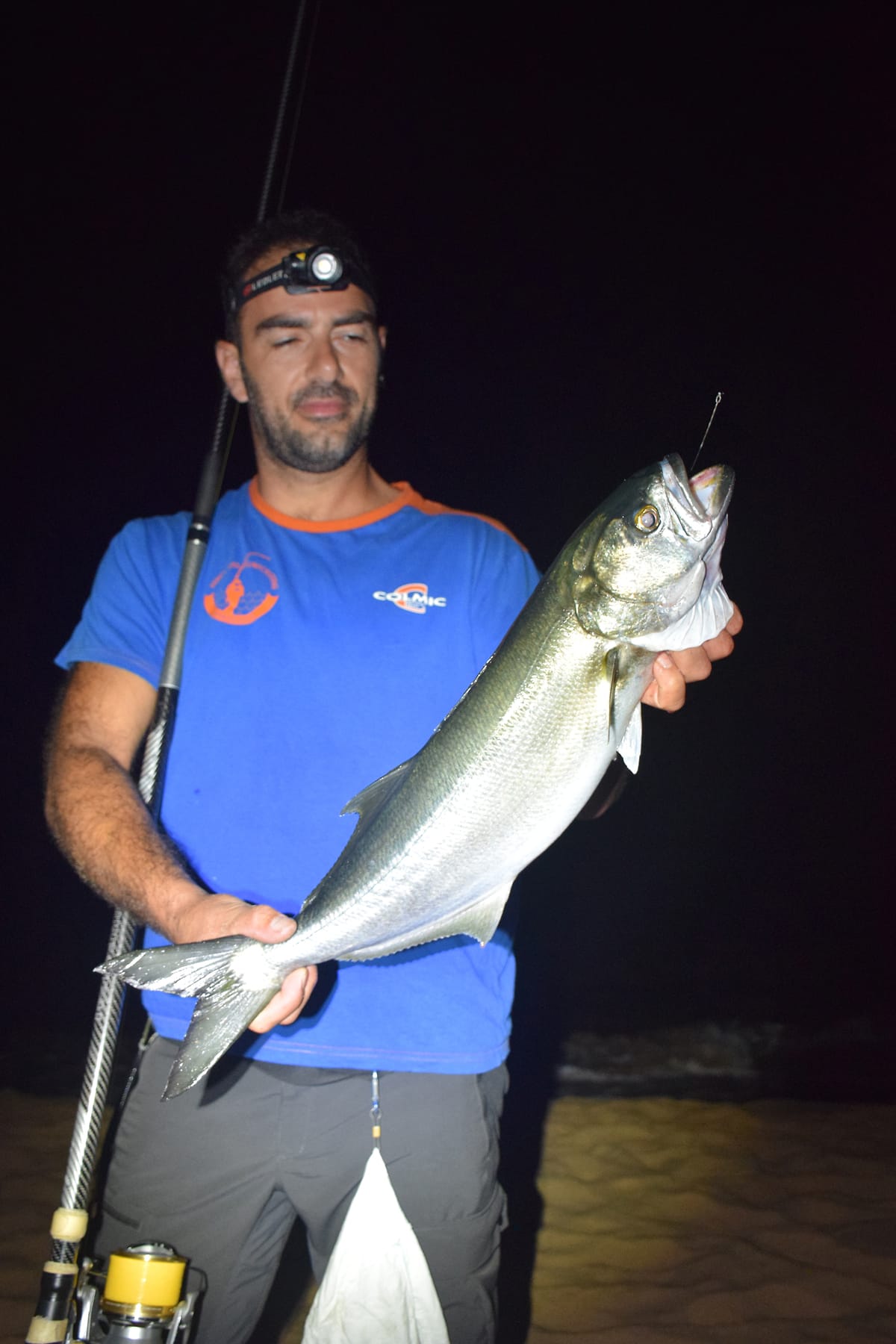
L'Aberdeen è l'amo preferito da molti per il trancio. Alberto Cossu, incallito spigolato che diventa un caccia serra nei mesi caldi. Danilo Atzei, forte agonista di surfcasting, con numerose vittorie e piazzamenti in gare prestigiose, è un grande conoscitore della tecnica col trancio di muggine.
English version
In last month's surfcasting article, we illustrated the many potential benefits of Teflon-coated hooks. And we saw how, building on the extensive experience carp anglers have developed using these hooks, a similar approach can be exploited in saltwater surfcasting, particularly in sea bream fishing. While illustrating the properties of Teflon, we highlighted some characteristics that make this material an excellent choice. Among these, the most interesting is its extremely low friction coefficient, the lowest of all known materials! You've probably figured out where I'm going with this... What if we exploited this advantage when fishing for bluefish with a fillet? In the aforementioned article, we showed how the thin Teflon coating protects the hook from the negative effects of saltwater. But this is true as long as the coating remains intact. This cannot be the case with bluefish, which have razor-sharp teeth that will surely scratch the surface at the first attack. And a third advantage of the "magic" coating - the ability to make the hook opaque - is of little use, given that, in this summer season, we can only target bluefish at night, when the camouflage of the hook and steel cable doesn't significantly impact the final result. So, let's focus on the first parameter: minimal friction, which leads to greater smoothness and therefore greater penetration efficiency.
Bluefish Hooks - Mondo Pesca has dedicated many articles to bluefish, and specifically to the technique using the mullet fillet, but this type of fishing has undergone a huge evolution in recent years, forcing us to review and improve our techniques. The main reason is that even the Pomatomus saltatrix has ceased to be an arrogant and "stupid" predator. Gone are the days when it was enough to throw a prepared morsel into the water without much caution and attention, and off you go; a strike and subsequent catch were highly likely. All of this no longer applies; we've already highlighted it several times on these pages. Last year, we described the preparation of small baits built around Aberdeen hooks. The long, thin body is perfect for giving structure to the fish; the wide curve and very thin point help the hook penetrate the resistant jaws of the bluefish. What if we added Teflon to these advantages?
Bluefish and PTFE - It can be done! Young Frankenstein exclaimed in the presence of the newly created humanoid. We don't have the same expectations; we just need a new weapon. The PTFE-coated hook is much more penetrating than a normal hook. This feature can become crucial now that bluefish attack baits reluctantly, often chewing and spitting them out repeatedly. Even when they drag the bait for dozens of meters, slipping the reel's drag and suddenly bending the rod tip, at the moment of striking, they let go and leave us high and dry! Not always, but often it's caused by the action of the hook. A traditional hook isn't guaranteed to pierce the fish's mouth unless it applies a violent pull and drags the bait steadily, without headbutting. Teflon certainly improves the situation, and initial field tests have yielded excellent results. Of course, it's not the definitive solution, because the predator often seems to "smell" the metal (the hook) and bites the piece just a little further. You can't always win; that's the beauty of fishing. But continuous refinement of technique and materials is increasing strikes.
Commenti ()