
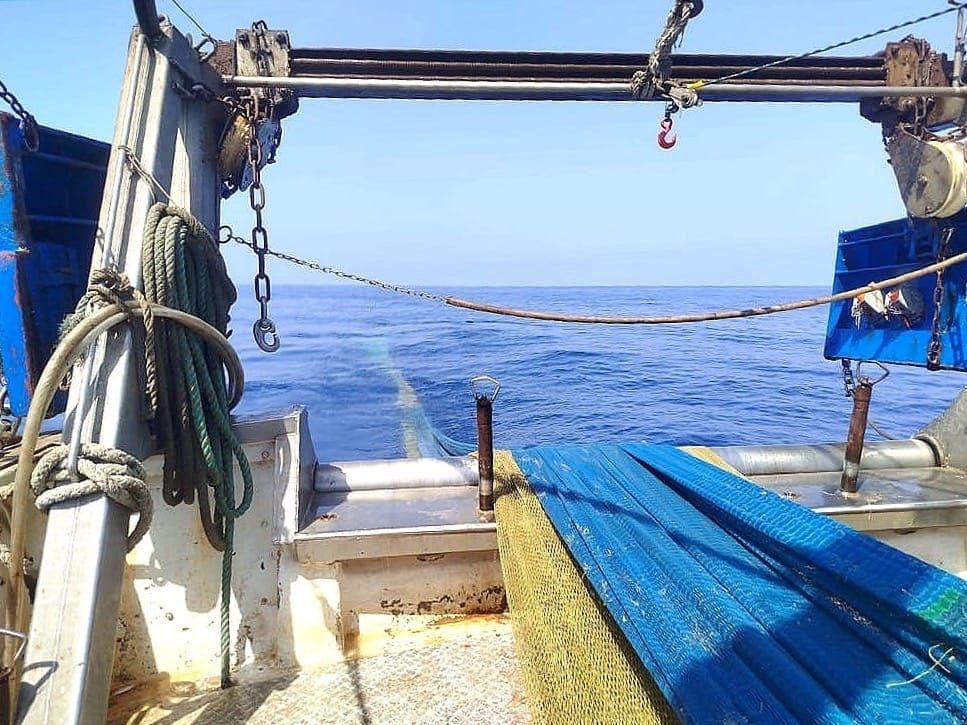
In Spagna, è in corso una sperimentazione volta a valutare una tecnologia di pesca che potrebbe contribuire a ridurre l’impatto ambientale della pesca con reti a strascico.
Per evitare possibili discrepanze legate al confronto tra diverse imbarcazioni, durante la sperimentazione viene utilizzato un unico peschereccio commerciale a strascico di fondo. L'imbarcazione opererà inizialmente con porte semipelagiche e successivamente con porte convenzionali. Lo svolgimento delle due fasi in successione immediata e nelle stesse aree di pesca riduce al minimo gli effetti della variabilità stagionale, ambientale e spaziale, garantendo un confronto affidabile tra le due configurazioni degli attrezzi.
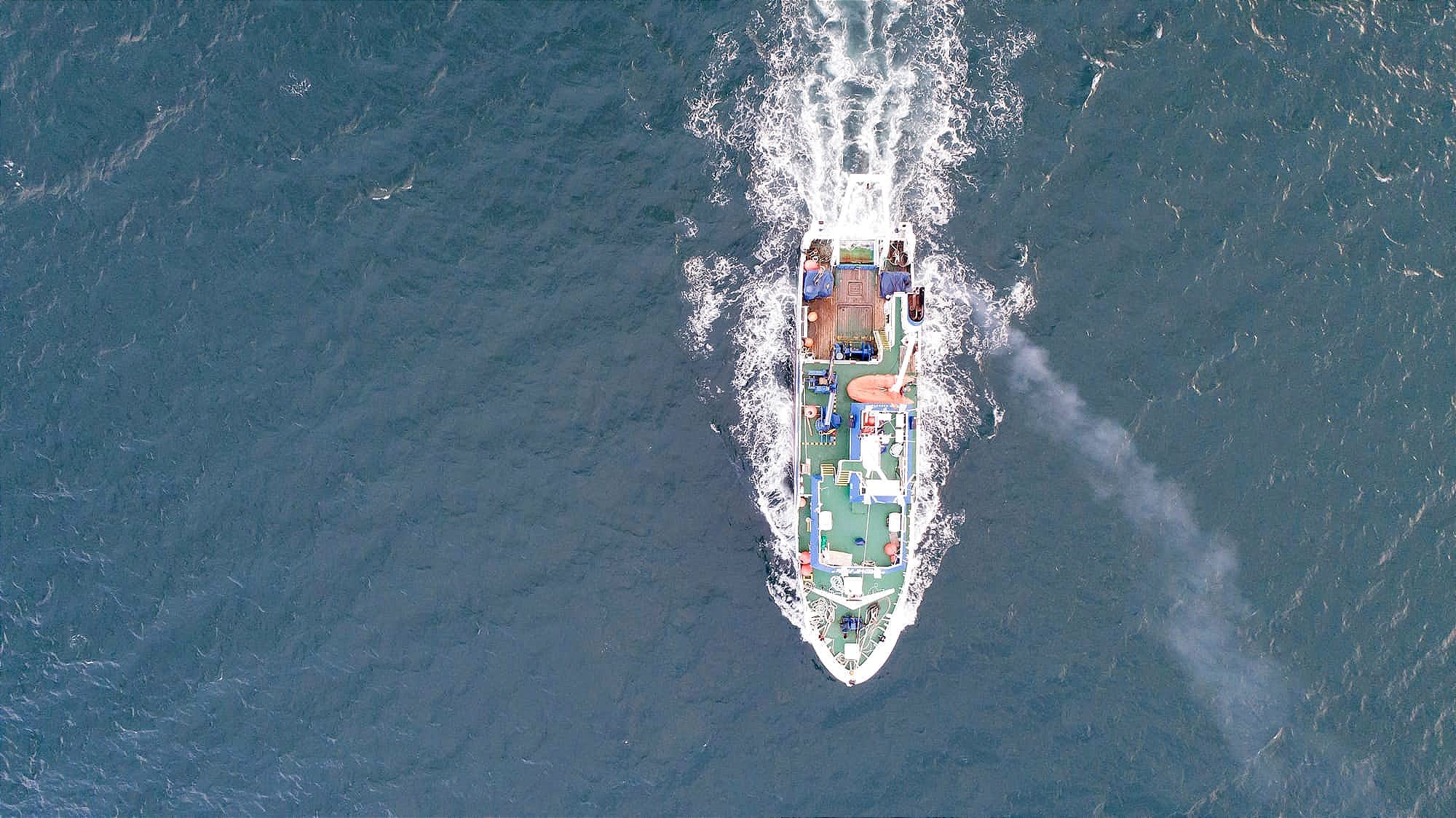
La sperimentazione è particolarmente rilevante per le attività di pesca a strascico di fondo nel Mediterraneo che hanno come specie bersaglio importanti risorse commerciali, tra cui il gambero rosa (Parapenaeus longirostris), il nasello europeo (Merluccius merluccius), la triglia di fango (Mullus barbatus), il calamaro di Coindet (Illex coindetii), il gambero rosso (Aristeus antennatus), il sugarello (Trachurus trachurus), la canocchia (Squilla mantis) e il pagello fragolino (Pagellus erythrinus).
"Durante le operazioni di pesca, i ricercatori valuteranno i tassi di cattura, la composizione del pescato, la geometria dell'attrezzo, il comportamento delle porte dello strascico e l'efficienza operativa. L'obiettivo è determinare se le porte semipelagiche possano ridurre gli impatti ambientali senza compromettere le prestazioni di pesca o la praticità delle normali operazioni commerciali", ha spiegato Sergi Tudela, responsabile della pesca e coordinatore dell'Unità Tecnica per il Mediterraneo Occidentale della GFCM (Commissione Generale per la Pesca nel Mediterraneo).
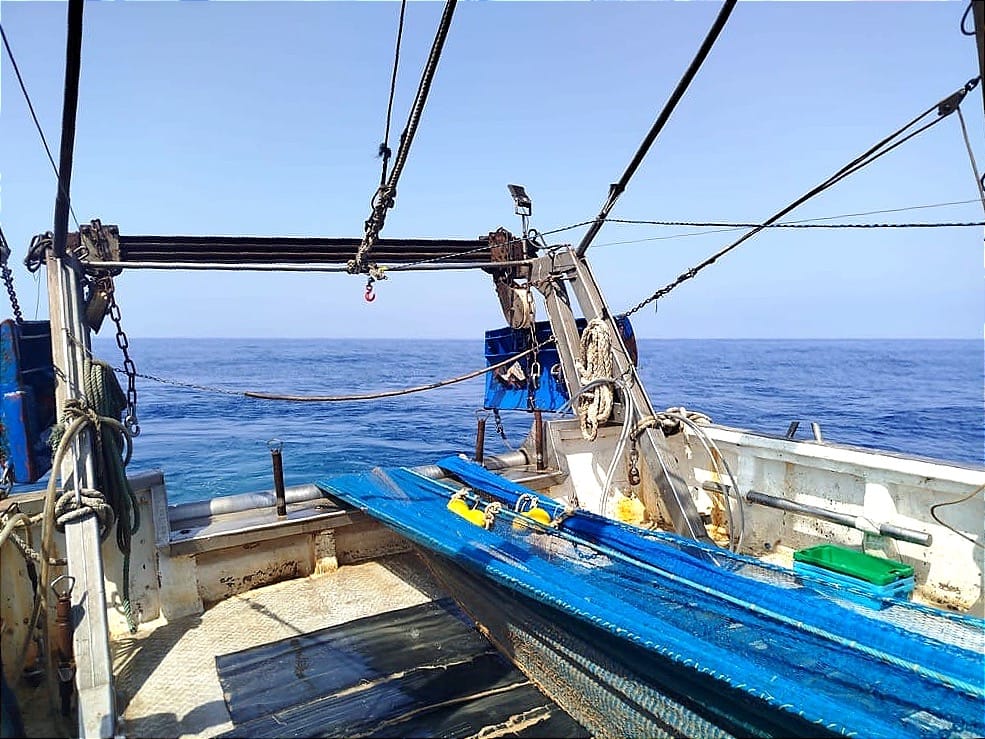
La nave da ricerca per la pesca e l'oceanografia è Emma Bardán, gestita dalla Segreteria Generale della Pesca della Spagna, svolge un ruolo fondamentale nella sperimentazione. L'imbarcazione realizzerà mappe ad alta risoluzione del fondale marino prima e dopo le operazioni di pesca con entrambe le tipologie di porte, consentendo un confronto diretto dei loro effetti sull'ambiente marino. Inoltre, monitorerà la trasparenza dell'acqua durante le operazioni di pesca per valutare la quantità di sedimenti sollevati da ciascun tipo di porta.
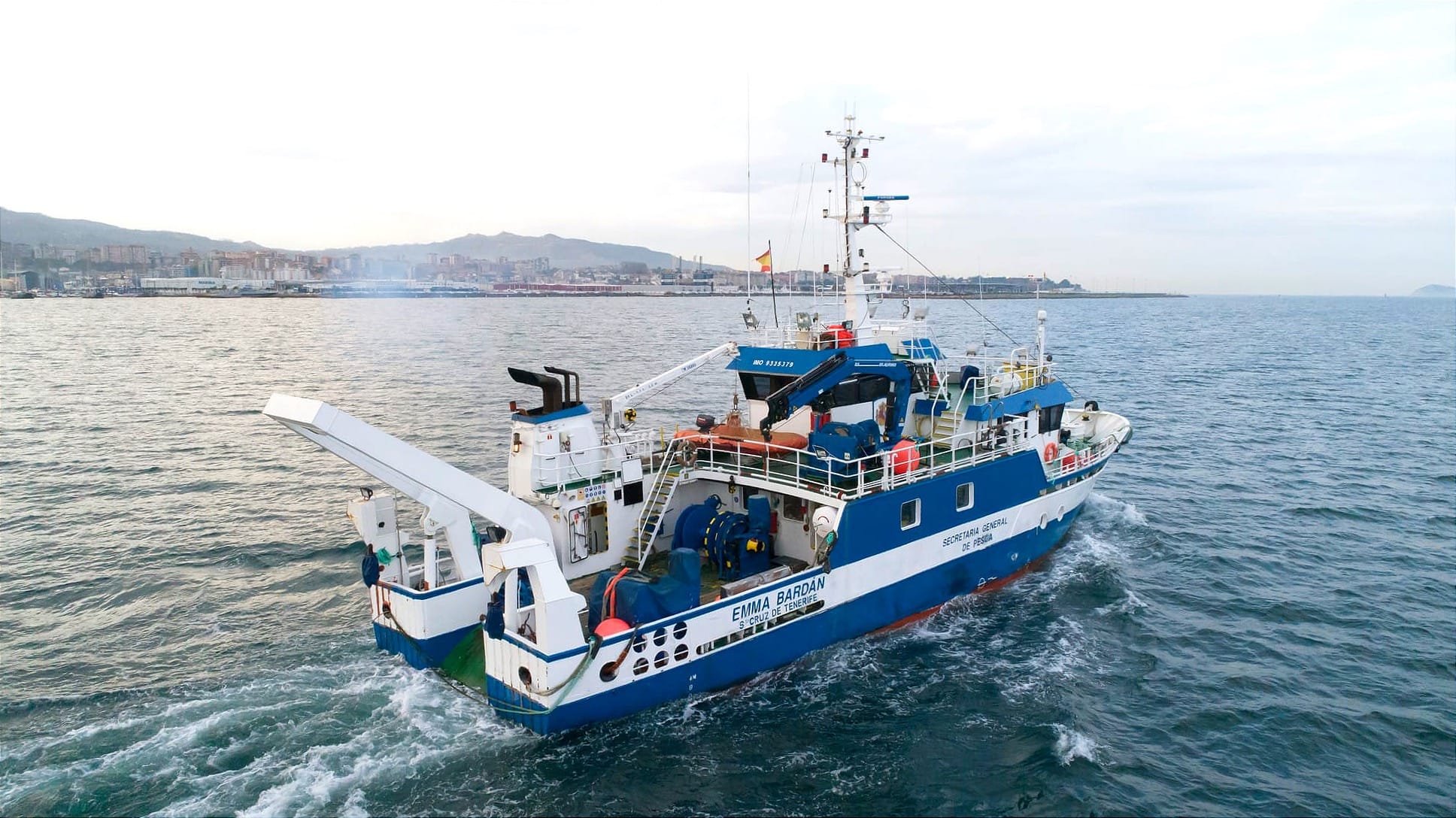
Il progetto è realizzato nell'ambito del programma GFCM MedSea4Fish e contribuisce direttamente all'attuazione della Strategia GFCM 2030, fornendo prove scientifiche a sostegno dell'adozione di tecnologie di pesca a minore impatto ambientale. I risultati contribuiranno a orientare le future decisioni sulla gestione della pesca, con l'obiettivo di conciliare la tutela degli ecosistemi marini con attività di pesca produttive e resilienti in tutto il Mediterraneo.
Mediterranean field trial tests enhanced trawl technology to reduce seabed impact while sustaining fishing performance
A new scientific field trial is underway off the coast of Alicante, Spain, to evaluate an enhanced fishing technology that could help reduce the environmental footprint of bottom trawl fisheries while sustaining the catch performance that commercial fishers rely on.
The project will evaluate the performance of semi-pelagic trawl doors compared with conventional trawl doors. Designed to operate slightly above the seabed, semi-pelagic doors – also known as flying doors – have the potential to reduce direct contact with the seafloor and limit sediment disturbance while maintaining the horizontal opening and stability required for efficient fishing operations.
This collaborative initiative brings together the General Secretariat for Fisheries of the Ministry of Agriculture, Fisheries and Food of Spain and the General Fisheries Commission for the Mediterranean (GFCM) of the Food and Agriculture Organization of the United Nations (FAO), with the participation of the Spanish Institute of Oceanography, which is leading the field activities.
A step towards sustainable trawling
To avoid potential discrepancies associated with comparing different vessels, a single commercial bottom trawl vessel is being used throughout the trial, first operating with semi-pelagic doors and then with conventional doors. Conducting both phases in immediate succession and in the same fishing grounds minimizes the effects of seasonal, environmental and spatial variability, ensuring a robust comparison between the two gear configurations.
The trial is particularly relevant to Mediterranean bottom trawl fisheries targeting commercially important species such as deep-water rose shrimp (Parapenaeus longirostris, European hake (Merluccius merluccius), red mullet (Mullus barbatus), broadtail shortfin squid (Illex coindetii), blue and red shrimp (Aristeus antennas), Atlantic horse mackerel (Trachurus trachurus), mantis shrimp (Squilla mantis) and common pandora (Pagellus erythrinus).
“During the fishing operations, researchers will assess catch rates, catch composition, gear geometry, trawl door behaviour and operational efficiency. The objective is to determine whether semi-pelagic doors can reduce environmental impacts without compromising fishing performance or the practicality of day-to-day commercial operations”, explained Sergi Tudela, Fishery Officer and Coordinator of the GFCM Western Mediterranean Technical Unit.
The fisheries and oceanographic research vessel Emma Bardán, operated by the Spanish General Secretariat for Fisheries, plays a key role in the trial. The vessel will produce high-resolution maps of the seabed before and after trawling with both door types, providing a direct comparison of their effects on the marine environment. It will also monitor water clarity during fishing operations to assess how much sediment is disturbed by each type of trawl door.
The project is carried out under the GFCM MedSea4Fish programme and directly contributes to the implementation of the GFCM 2030 Strategy by providing scientific evidence to support the adoption of lower-impact fishing technologies. Its findings will help inform future fisheries management decisions aimed at balancing healthy marine ecosystems with productive and resilient fisheries across the Mediterranean.

Commenti ()