
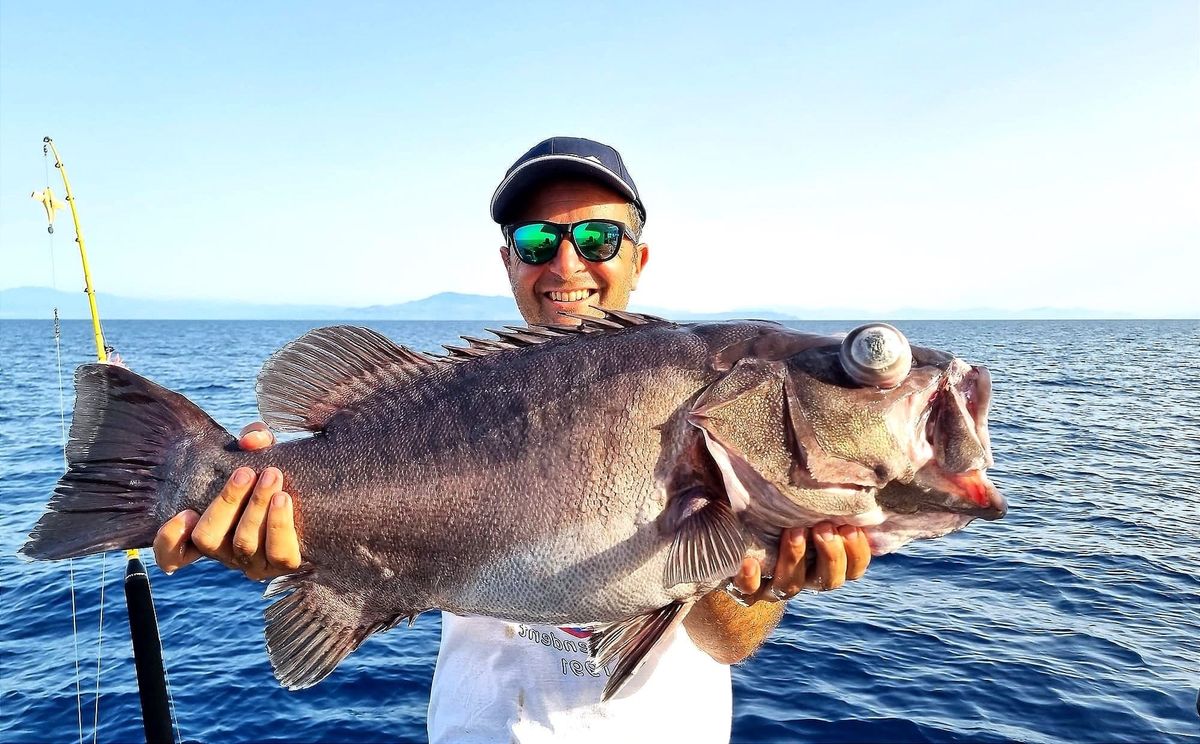
La chiamiamo cernia, ma una cernia non è! Appartiene alla famiglia dei Poliprionidi. E’ l’unica specie (americanus) presente nel Mediterraneo.
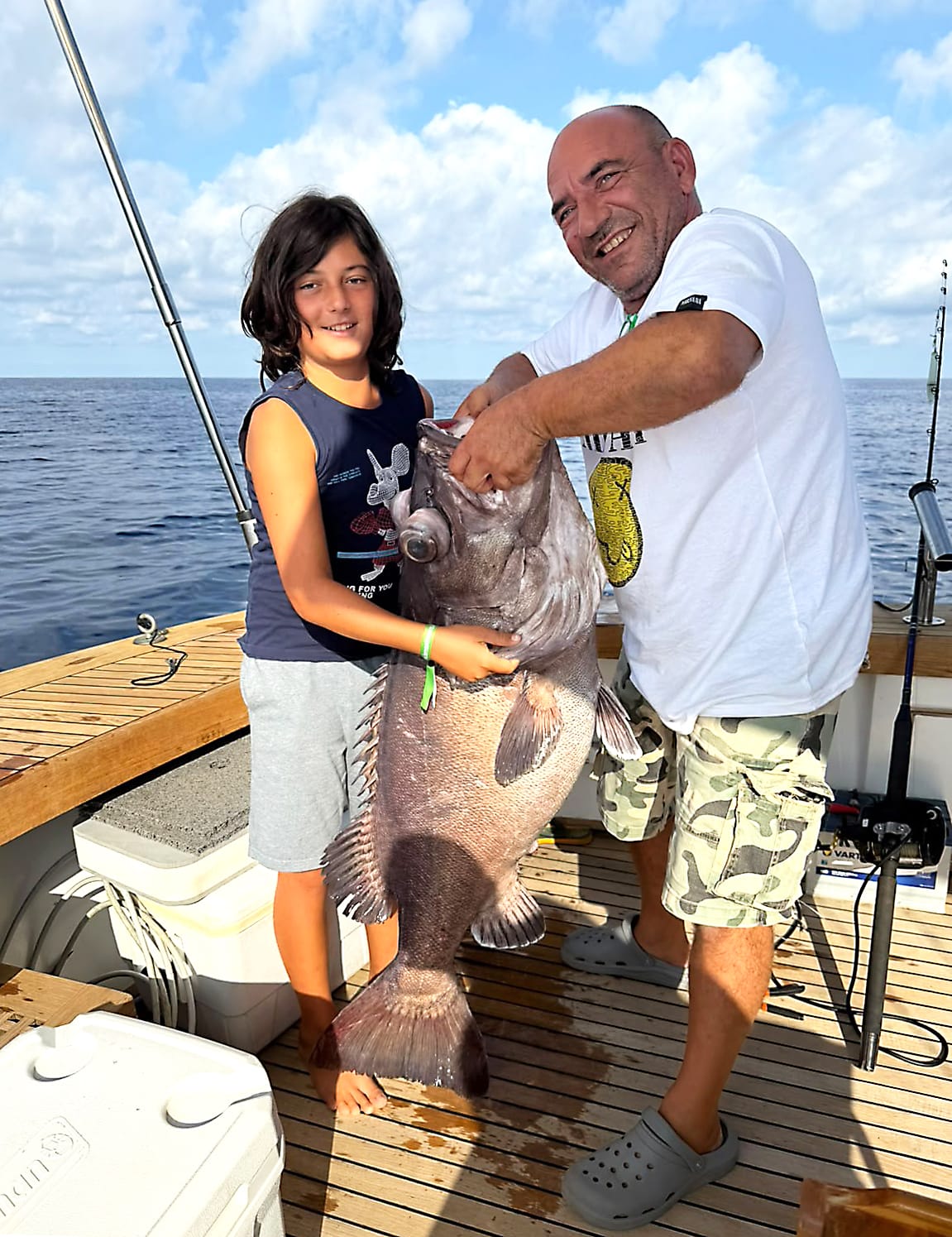
foto in alto: L’autore e una bella americana che presenta il cosiddetto “occhio da cernia”. Il fenomeno è causato, parimenti al rigonfiamento della vescica natatoria, all’impossibilità di compensare l’aumento di volume dovuto alla rapida diminuzione di pressione durante la risalita.
Dan Brown nel suo celebre romanzo “Il Codice Da Vinci” afferma che il Sacro Graal, non sia il calice dell’ultima cena, bensì il grembo di Maria Maddalena che avrebbe generato una discendenza di Gesù e che impersonificherebbe il sacro femminile, un’energia universale e primordiale legata alla creazione, alla compassione e all'accoglienza. Nel mondo del bolentino di profondità, questo mito si specchia in un altro simbolo al femminile: la cernia di fondale (Polyprion americanus). Rara, maestosa e sfuggente, la cernia rappresenta il vero "Graal" dei pescatori di abissi. Nei nostri mari, almeno gli esemplari al di sopra di una certa dimensione, vengono in genere pescati oltre i 450 metri di profondità, probabilmente a causa di un maggior sfruttamento degli spot meno profondi a opera dei palamiti calati dai professionisti. Se il nostro sogno è la cernia di fondale consiglio di provare, a partire dai 500 metri, con un terminale di due ami, meglio di tipo circle 10/0, braccioli da un metro di mm 1 e di, mi raccomando, una lampada stroboscopica adatta alla profondità, e inneschi da chilo (sgombri e totani interi). Se però vogliamo rendere la nostra giornata un po' più movimentata, si può optare per profondità inferiori ai 500, aggiungendo alla paratura qualche amo più piccolo per gli occhioni (Pagellus bogaraveo).
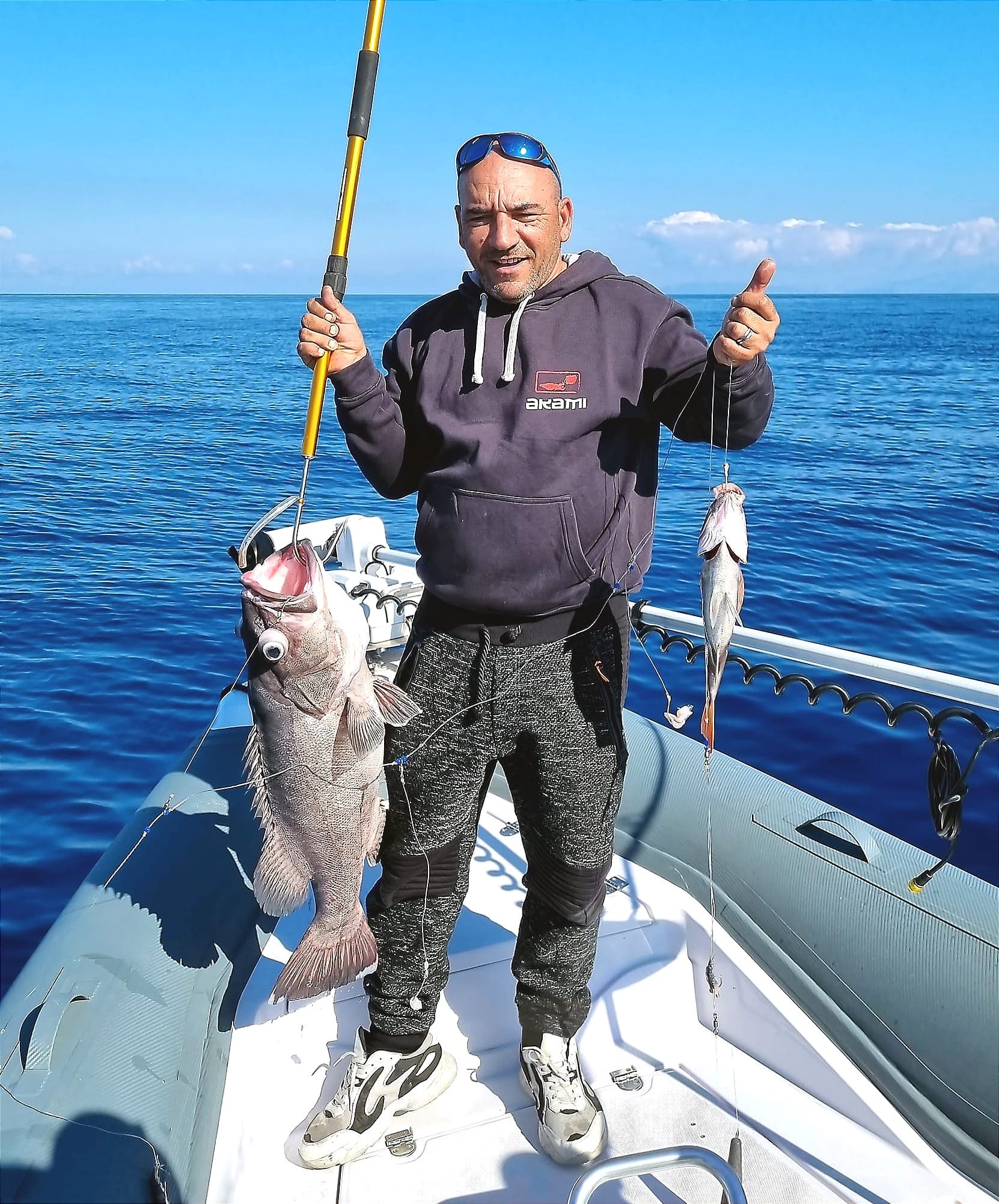
Per vostra informazione io, questo divertentissimo sparide, l’ho pescato anche a 500 metri, ma mai oltre. Tornando all’americana, la sua mangiata si avverte sul cimino con alcune flessioni nette e una trazione decisa alla quale bisogna rispondere immediatamente con un’energica ferrata prima di avviare il salpa bolentino. Conviene forzare il recupero per evitare che s’intani analogamente a come avviene per le altre specie di cernia e a prescindere dalla tecnica. Dopo un brutto quarto d’ora di pau-ra, per entrambe le parti, e un certo numero di fughe decise, il veloce sbalzo barometrico avrà la meglio sulla preda, finché la tensione si allenta e la nostra regina “aggallerà” in mezzo a enormi bolle d’aria. Pur essendo una specie territoriale non è impossibile, una volta individuato uno spot dove sono presenti molte tane, catturarne più di un esemplare, motivo per il quale è utile ricordare il limite di cattura giornaliero di un esemplare per persona, valido tra l’altro, per tutte le specie di cernia. Invitiamo a rispettare questa limitazione, perché al pari di specie affini, il Polyprion è una specie molto vulnerabile in quanto molto ricercata commercialmente e caratterizzata da un accrescimento lentissimo (gli esemplari di 10 centimetri hanno un anno di età, mentre quelli più grandi si pensa che raggiungano i novanta). Le sue carni sono pregiate ma abbastanza grasse e coriacee e spesso sono presenti numerosi parassiti, sia intestinali che esterni.
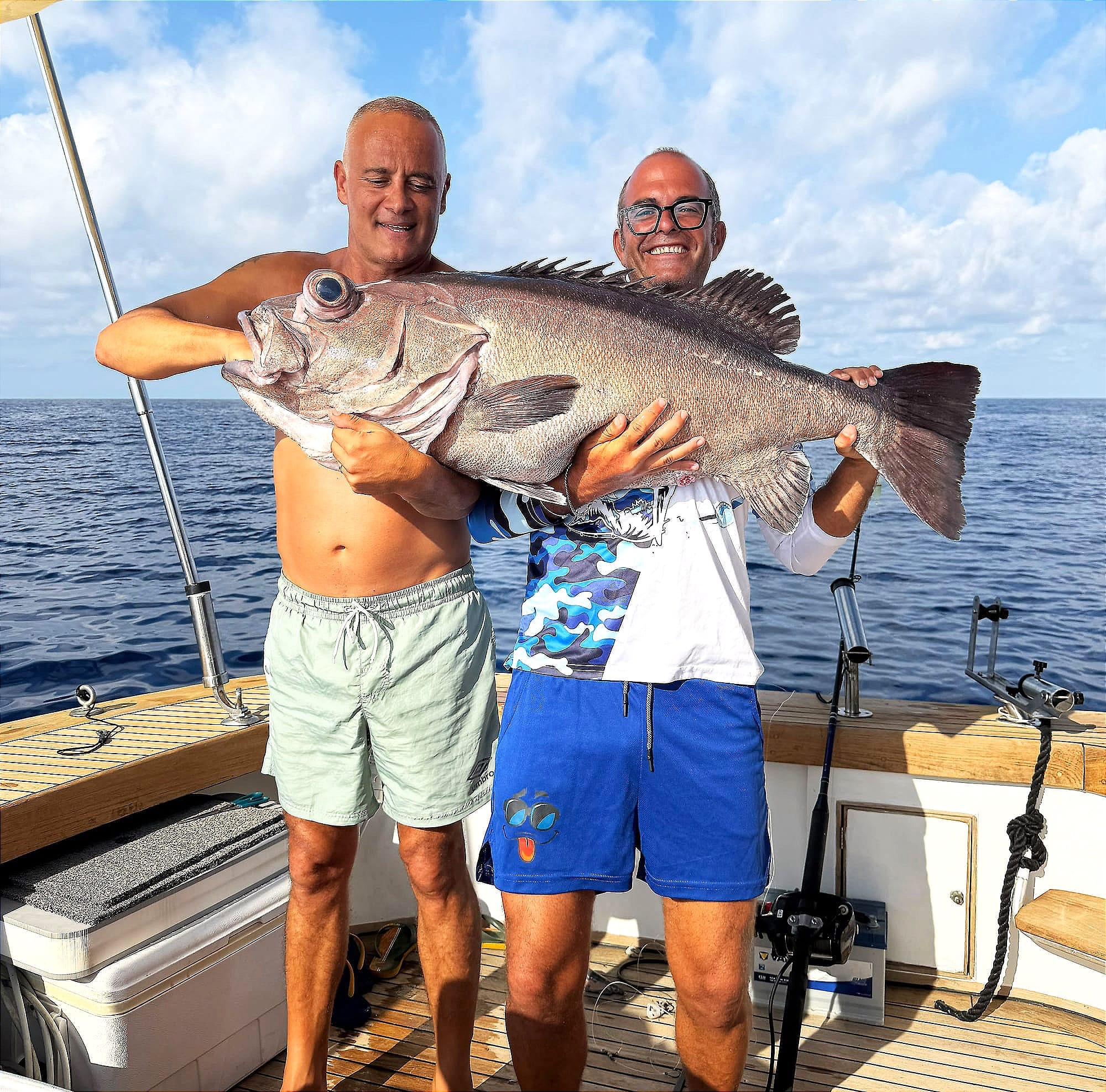
L'attrezzatura - A volte si dà per scontato che un qualsiasi mulinello elettrico sia adatto a effettuare tutte le tipologie di bolentino profondo. Niente di più sbagliato, quando ci dedichiamo a una pesca in acque molto profonde con piombi che vanno dai 750 grammi a 1,5 chili e con prede spesso al di sopra dei kg 10. Infatti il classico sistema pescante light, quello adatto alla pesca di calamari e occhioni su fondali di 200 metri, con canne fino a 1000 grammi, potrebbe essere messo a dura prova, o potrebbe rivelarsi totalmente inutilizzabile. Il primo problema è la capienza di multifibre: tra i modelli leggeri più conosciuti e apprezzati ci sono gli Shimano serie 3000 e il Daiwa Tanacom 500. Questi mulinelli riescono a contenere circa 500 metri del diametro di mm 0,23, che non sono sufficienti ad avere la certezza di calare in presenza di corrente alla profondità desiderate. Certo si potrebbe diminuire il diametro e il carico di rottura, ma sinceramente pescare “mostri” con lo 0,19 non mi sembra una buona idea.
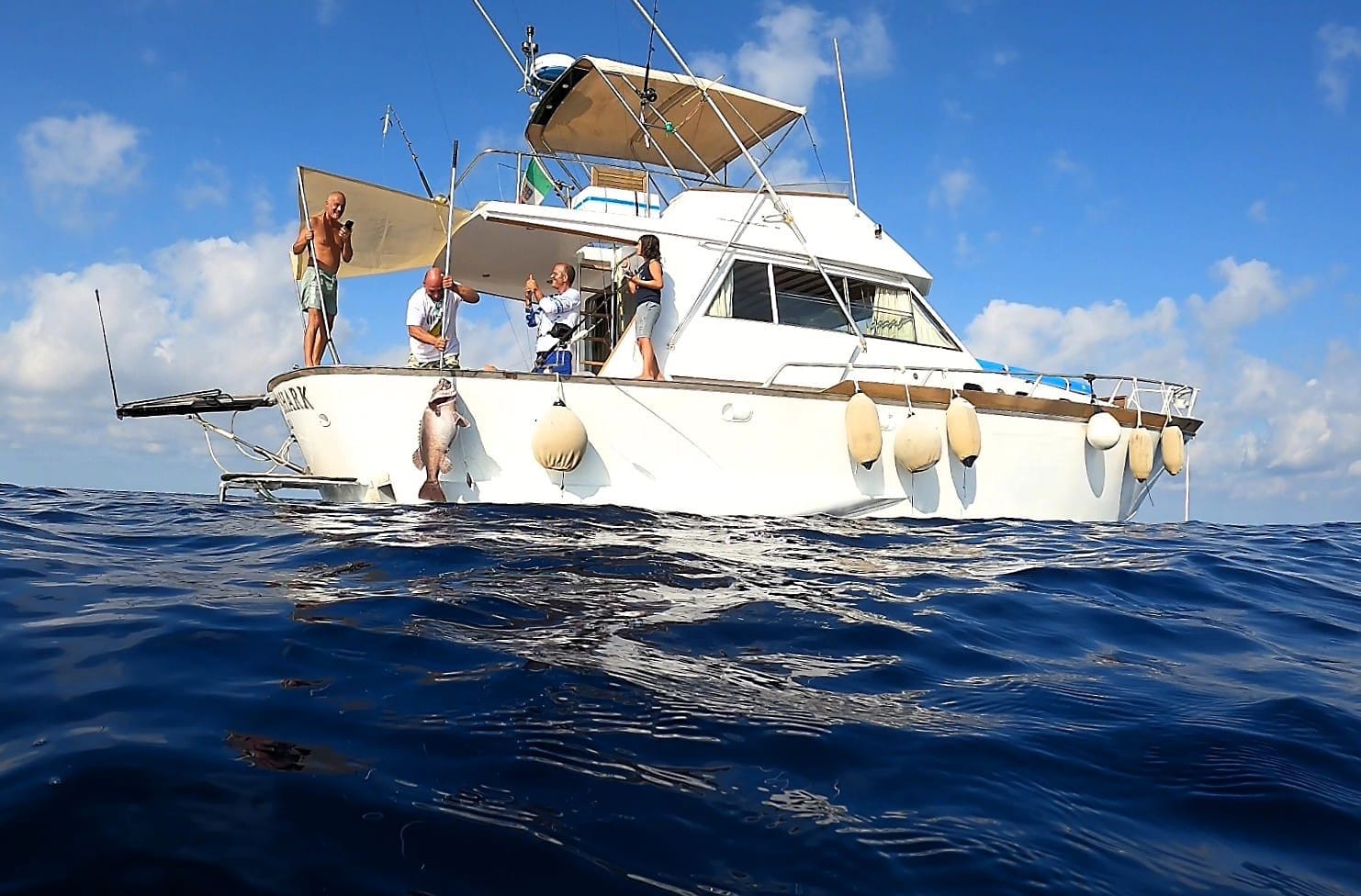
Un altro problema delle serie light è il surriscaldamento. Pur riuscendo, grazie alla frizione, a recuperare anche prede importanti, spesso si possono spegnere sul più bello per un allarme temperatura. La scelta deve quindi cadere sulle serie da 4000 a salire per Shimano e 1000 per il Daiwa Tanacom, con canne specifiche da bolentino profondo che reggano almeno 1500 grammi di piombo, in pratica l’attrezzatura che in genere si usa per la pesca al totano diurna a 700 metri di profondità. Un’alternativa valida per questo tipo di pesca è il vecchio salpa bolentino elettrico, per i neofiti è quel mulinello elettrico da murata che non viene applicato a una canna, ma che ne ha in genere una corta in dotazione per segnalare i movimenti del pesce, la marca più conosciuta è la Kristal Fishing. In questo caso, conviene salire di diametro come multifibre visto che non ci sono problemi di capienza e potremmo vivere l’emozione di sentire le tocche con il dito come si faceva una volta con la vecchia lenza a mano.
Scheda tassonomica
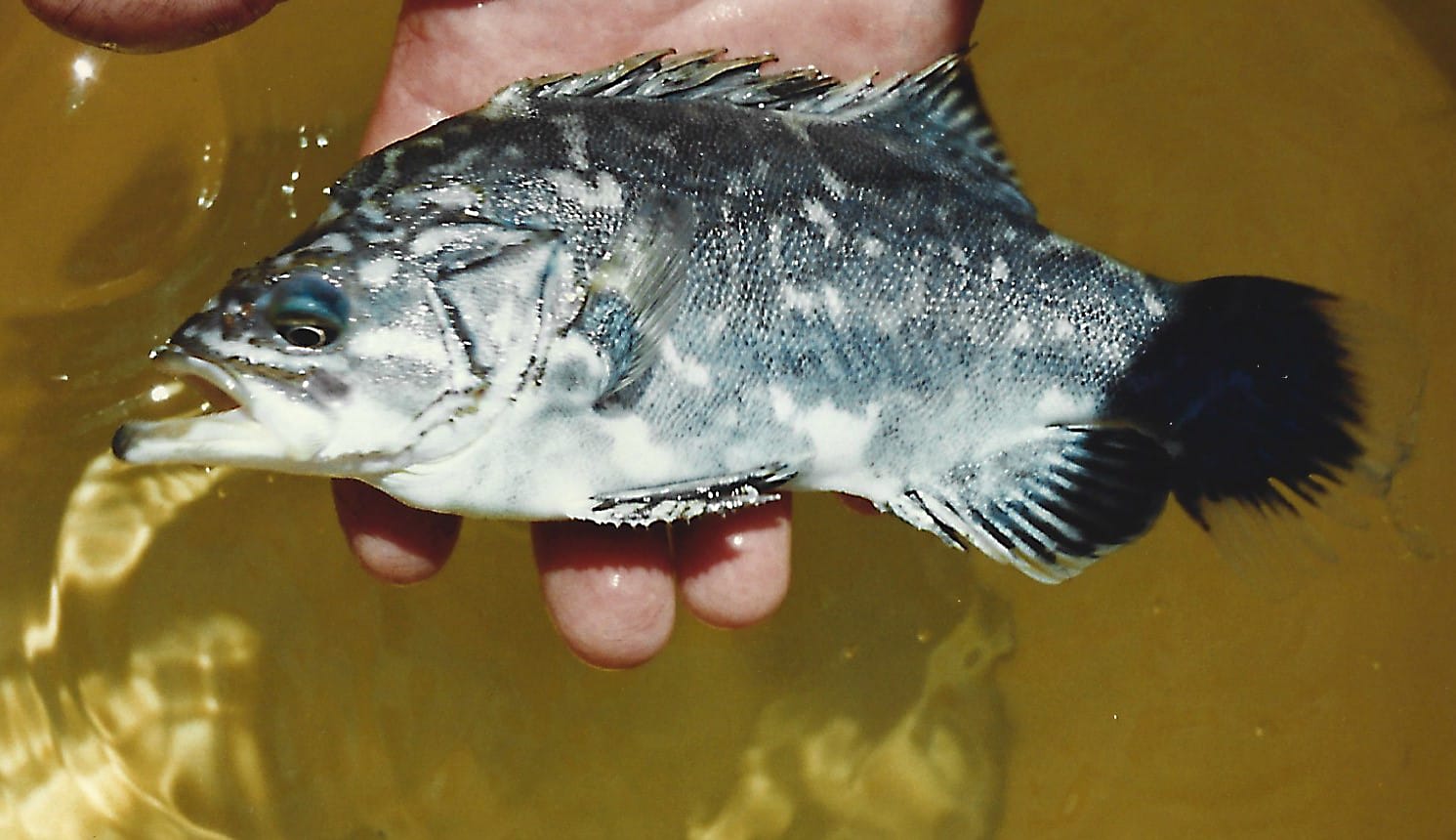
L’aspetto quasi preistorico della specie che approfondiremo oggi è all’origine della sua nomenclatura tassonomica: Polyprion, dal latino poly molto e prion sega. La cernia di fondale, o cernia nera, è interamente rivestita di grosse scaglie ctenoidi cigliate e sono presenti spine molto sviluppate sull’opercolo e sul dorso. Il nome della specie, americanus, è invece legato alla sua distribuzione, perché insieme al Mediterraneo e alla Nuova Zelanda le coste dell’Atlantico sono le macro-aree dove la nostra cernia è più diffusa. Pur avendo molte similarità con le altre specie di serranidi mediterranei, il Polyprion è impropriamente chiamato cernia, perché presenta alcune caratteristiche morfologiche peculiari, come ad esempio la mandibola inferiore prominente e una protuberanza sopra la testa, infatti appartiene alla famiglia dei Poliprionidi, della quale è l’unico rappresentante mediterraneo. La colorazione degli esemplari adulti è grigio scuro, talvolta con sfumature marroni, mentre negli stadi giovanili presentano numerose macchie bianche e il bordo della pinna caudale è completamente bianco. Ciò, in passato, unito alla differenza di habitat, aveva fatto pensare che gli esemplari giovanili e quelli adulti appartenessero a due specie distinte. (vedi foto piccola in apertura). È una specie demersale e si può trovare tra i m 40 e 1000, ma gli esemplari più piccoli, dallo stadio larvale fino a 30 centimetri circa (due anni di vita), conducono vita pelagica riparandosi al di sotto di relitti galleggianti. In età adulta tra i cm 50 e 70 diventa solitaria e colonizza i fondali rocciosi o leggermente fangosi con una predilezione per quelli caratterizzati dalla possibilità di “fare tana”, tant’è vero che nella nomenclatura anglosassone è chiamata “wreckfish”, pesce dei relitti. La lunghezza massima rilevata supera i due metri per un peso “monstre” di oltre 100 chili, mentre il record Igfa è di circa 86 per un esemplare catturato nel 2010 in Nuova Zelanda. Pur non essendo una specie molto studiata sappiamo che è gonocorica, cioè a sessi separati permanenti e che è capace, almeno in oceano, di compiere lunghe migrazioni (fino a 1500 chilometri tra andata e ritorno) per scopi riproduttivi. Sono state osservate concentrazioni di esemplari durante il periodo della riproduzione, che avviene sempre a profondità superiori ai 300 metri, in modo che le larve pelagiche possano sfruttare, durante l’inverno, le calde correnti di ritorno. A differenza di quello che avviene da noi, in alcune parti del mondo è possibile trovare enormi esemplari di cernia di fondale anche a profondità non abissali, ne è un esempio il Ranfurly Bank in Nuova Zelanda situato ad est di Auckland, dove sono stati effettuati gli ultimi tre record Igfa. In questo “Bengodi” della pesca a bolentino il Polyprion costituisce un vero e proprio gamefish e viene pescato con canne e mulinelli da big game, come spesso avviene con i giant grouper tropicali, anche a profondità inferiori ai 300 metri.

In his celebrated novel The Da Vinci Code, Dan Brown claims that the Holy Grail is not the cup of the Last Supper, but the womb of Mary Magdalene, who supposedly bore Jesus’s descendants and embodies the sacred feminine, a universal, primordial energy associated with creation, compassion and acceptance. In the world of deep-water bottom fishing, this myth is reflected in another symbol regarded in Italian as feminine: the wreckfish (Polyprion americanus). Rare, majestic and elusive, it is the true “Grail” of anglers who fish the depths. In our seas, at least above a certain size, specimens are generally caught deeper than 450 metres, probably because the shallower marks have been more heavily exploited by commercial longliners. If wreckfish are your dream, I recommend starting at 500 metres with a two-hook rig, preferably using 10/0 circle hooks, one-metre snoods of 1 mm line and, I must stress, a strobe light rated for the depth, together with kilo-sized baits of whole mackerel and squid. If, however, you want a little more action during the day, you can choose depths of less than 500 metres and add a few smaller hooks to the rig for blackspot seabream (Pagellus bogaraveo). For the record, I have caught this wonderfully sporting seabream as deep as 500 metres, but never beyond. Returning to the wreckfish, its bite registers on the rod tip as a series of clear bends and a firm pull, which must be answered immediately with a strong strike before starting the electric hauler. It is best to apply pressure on the retrieve to prevent it from holing up, just as with other grouper species, whatever technique is used. After a frightening quarter of an hour for both parties, and several determined runs, the rapid change in pressure will overcome the fish. Eventually the tension eases and our queen floats to the surface amid huge air bubbles. Although this is a territorial species, once a mark with plenty of holes has been found it is possible to catch more than one specimen. It is therefore worth remembering the daily bag limit of one fish per person, which also applies to all grouper species. We urge anglers to respect this limit because, like related species, Polyprion is highly vulnerable: it is commercially sought after and grows extremely slowly. Ten-centimetre specimens are one year old, while the largest are thought to reach ninety years of age. Its flesh is prized but rather fatty and tough, and numerous parasites are often present, both internally and externally.
The tackle - It is sometimes taken for granted that any electric reel is suitable for every form of deep-water bottom fishing. Nothing could be further from the truth when fishing very deep water with sinkers ranging from 750 grams to 1.5 kilos and fish often weighing more than 10 kg. The standard light outfit used for squid and blackspot seabream in 200 metres of water, with rods rated up to 1,000 grams, may be severely tested or prove completely unusable. The first problem is braid capacity. Among the best-known and most highly regarded light models are Shimano’s 3000 series and the Daiwa Tanacom 500. These reels hold around 500 metres of 0.23 mm braid, which is not enough to guarantee reaching the required depths in a current. Of course, you could reduce the diameter and breaking strain, but frankly, fishing for “monsters” with 0.19 mm line does not seem a good idea to me. Another problem with light models is overheating. Although their drag allows them to retrieve substantial fish, they can often shut down at the crucial moment because of a temperature alarm. The choice should therefore be Shimano models from the 4000 series upwards, or the Daiwa Tanacom 1000, paired with purpose-built deep-water bottom-fishing rods able to handle at least 1,500 grams of lead: essentially the tackle normally used for daytime squid fishing at 700 metres. A valid alternative is the traditional electric bottom-fishing hauler. For newcomers, this is a gunwale-mounted electric reel rather than one fitted to a rod, although it generally comes with a short rod to indicate the fish’s movements; Kristal Fishing is the best-known brand. In this case, it makes sense to use thicker braid because capacity is not an issue, and you can experience the excitement of feeling bites with your finger, as anglers once did with a traditional handline.
Taxonomic profile - The almost prehistoric appearance of the species we are examining today lies behind its taxonomic name: Polyprion, from the Latin poly, “many”, and prion, “saw”. The wreckfish, also known in Italian as the deep-water or black grouper, is entirely covered in large ctenoid scales with comb-like edges, and has strongly developed spines on the gill cover and back. The species name, americanus, relates instead to its distribution, because the Atlantic coasts, together with the Mediterranean and New Zealand, are the main regions where it is most widespread. Although it shares many similarities with Mediterranean serranids, Polyprion is incorrectly called a grouper in Italian: it has certain distinctive morphological features, such as a projecting lower jaw and a ridge above the head, and actually belongs to the Polyprionidae, of which it is the only Mediterranean representative. Adults are dark grey, sometimes with brown shades, while juveniles have numerous white patches and an entirely white tail-fin margin. In the past, this difference, together with their different habitats, led people to believe that juveniles and adults were two separate species (see the small opening photograph). It is a demersal species found between 40 and 1,000 metres, but smaller fish, from the larval stage up to around 30 centimetres, or two years old, live pelagically, sheltering beneath floating wreckage. As an adult, at 50–70 centimetres, it becomes solitary and colonises rocky or slightly muddy bottoms, favouring places where it can find a hole to shelter in. Indeed, its English name is “wreckfish”. The greatest recorded length exceeds two metres, with a monstrous weight of over 100 kilos, while the IGFA record is around 86 kilos for a fish caught in New Zealand in 2010. Although the species has not been extensively studied, we know it is gonochoric, meaning that the sexes remain separate throughout life, and that it can undertake long spawning migrations, at least in the ocean, covering up to 1,500 kilometres on a round trip. Spawning aggregations have been observed, always at depths greater than 300 metres, allowing the pelagic larvae to take advantage of warm return currents during winter. Unlike in our waters, in some parts of the world huge wreckfish can also be found at less extreme depths. One example is New Zealand’s Ranfurly Bank, east of Auckland, where the last three IGFA records were set. In this bottom-fishing paradise, Polyprion is a true game fish, caught on big-game rods and reels, as tropical giant groupers often are, even in depths of less than 300 metres.

Commenti ()