
La temperatura dell’acqua determina le migrazioni di moltissimi organismi marini e pesci. L'estate scorsa ha registrato valori difficilmente riscontrabili in altri anni, con conseguenti e importanti variazioni sul comportamento della fauna marina.
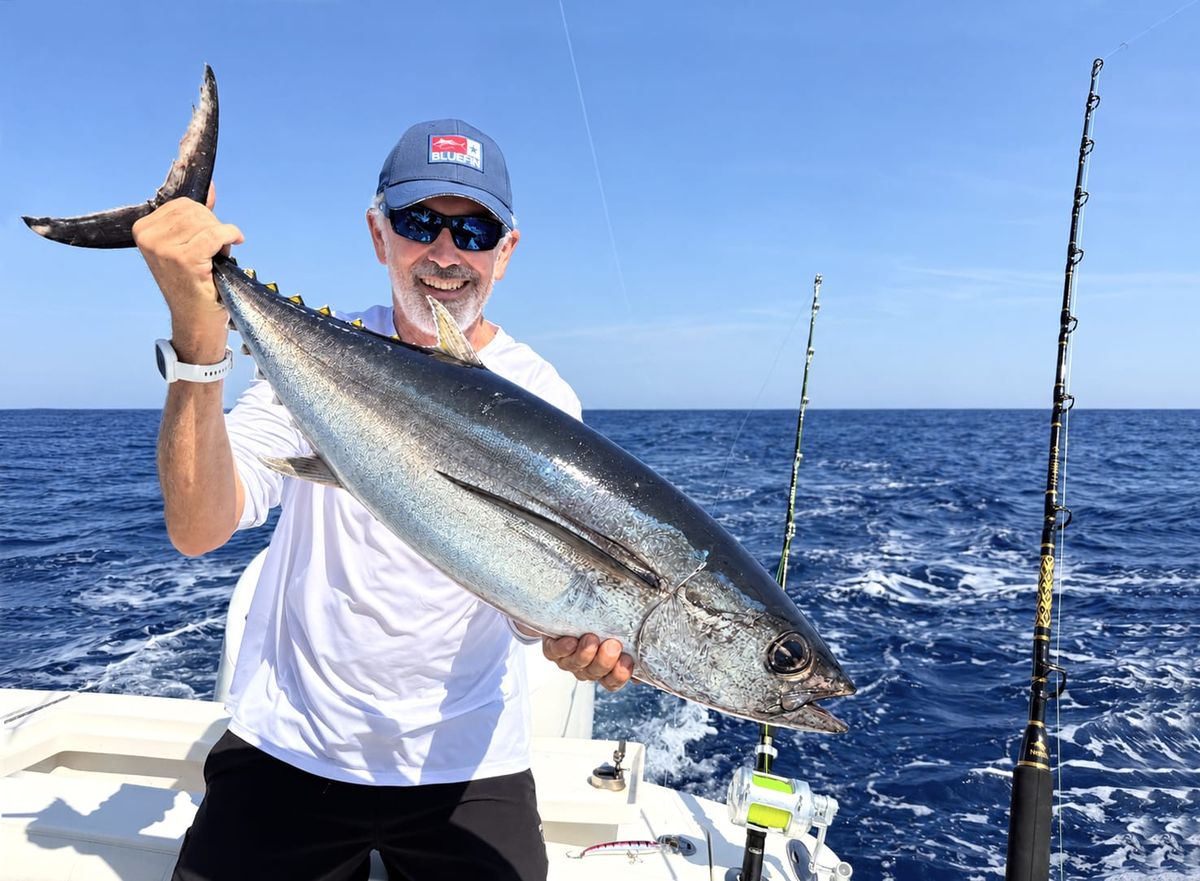
foto in alto: Stefano Tammaro con una bella alalunga. Questa specie nonostante abbia risentito pesantemente delle temperature superficiali a luglio è stata massicciamente presente in Tirreno seppur con precise localizzazioni.
Il Mar Mediterraneo è un ecosistema unico con le sue moltitudini di specie autoctone, le sue correnti particolari e spesso imprevedibili, i suoi venti unici e soprattutto le sue temperature che consentono la vita e la riproduzione a una moltitudine di specie di pesci, crostacei e molluschi. Il nostro mare ha un'escursione termica superficiale che passa dagli 8-10 gradi invernali fino ad arrivare ai 25-27 gradi estivi. Durante le estati normali di giorno il sole scalda la terraferma più rapidamente dell'acqua. L'aria calda sale creando una bassa pressione che richiama aria più fresca dal mare, quella che comunemente chiamiamo brezza di mare o termico marino e che normalmente si alza verso le ore più calde. Di notte la terra si raffredda più velocemente dell'acqua e il ciclo s’inverte, con l'aria che da terra spira verso il largo ed è quella che comunemente chiamiamo brezza di terra e che inizia a spirare verso il tramonto. Maggiore è la differenza di temperatura tra terra e acqua, più forte è il vento. Questi movimenti d’aria seppur leggeri servono a mantenere una temperatura della superficie del mare tale da consentire a molte specie di nuotare e cacciare in superficie. La scorsa estate è stata caratterizzata da temperature molto più alte della media sia di giorno che soprattutto di notte e questo non ha permesso alla fascia superficiale di raffreddarsi durante le ore notturne per stabilizzarsi sui valori medi a cui la fauna superficiale è abituata. Nonostante in estati particolarmente calde siano stati superati i 28 gradi, durante luglio e agosto 2026 il termometro ha fatto registrare temperature fino a 32 gradi sia in Tirreno che in Adriatico. Durante quei mesi si è verificato un fenomeno abbastanza inquietante: gradatamente moltissime specie che vivono in superficie si sono spinte più in profondità alla ricerca di temperature costanti e l'immediato sottocosta si è significativamente spopolato. Nonostante questi fenomeni abbastanza inquietanti però, il termoclino a parte in alcune aree circoscritte, si è mantenuto a profondità abbastanza accettabili, con l'unica variante che al di sotto di esso si potevano incontrare fasce d'acqua con temperature più basse della media. Questo ha creato una vera e propria barriera impenetrabile per alcune specie.
Le abitudini dei pesci - La maggior parte degli abitanti marini presentano una temperatura corporea simile a quella dell’ambiente in cui vivono e al contrario dei mammiferi non riescono a variarla con facilità. Se la temperatura dell’ambiente circostante, ovvero dell’acqua, cambia, devono adattarsi nel miglior modo possibile. Per variare la temperatura corporea devono cambiare il proprio metabolismo: velocizzandolo o rallentandolo. Questo oltre che non sempre possibile, comporta un dispendio di energie considerevole e in natura gli esseri viventi scelgono sempre la strada più breve e semplice, quindi i pesci anziché adattarsi alle condizioni circostanti si spostano, soprattutto quando la variazione è rapida e non gli dà il tempo all’adattamento. I primi a risentire delle variazioni di temperatura sono i nutrienti, piccoli pesci che rappresentano la base della piramide alimentare. In base alla consistenza e alla repentinità del cambiamento di temperatura dell’acqua e ai fattori ambientali, i piccoli pesci si spostano cercando di rimanere nella fascia d’acqua con temperatura costante. Dietro ai nutrienti segue tutta la catena alimentare, fino ai grandi predatori. Non sempre lo spostamento avviene al di sotto del termoclino, i pesci si spostano a diverse profondità o in diverse aree geografiche per trovare, a seconda della stagione, le condizioni migliori che consentano di ridurre al massimo lo sbalzo della loro temperatura corporea. La scorsa estate però le variazioni di temperatura superficiale sono state così anomale da costringere interi stock di piccoli e grandi pesci a spostamenti importanti.
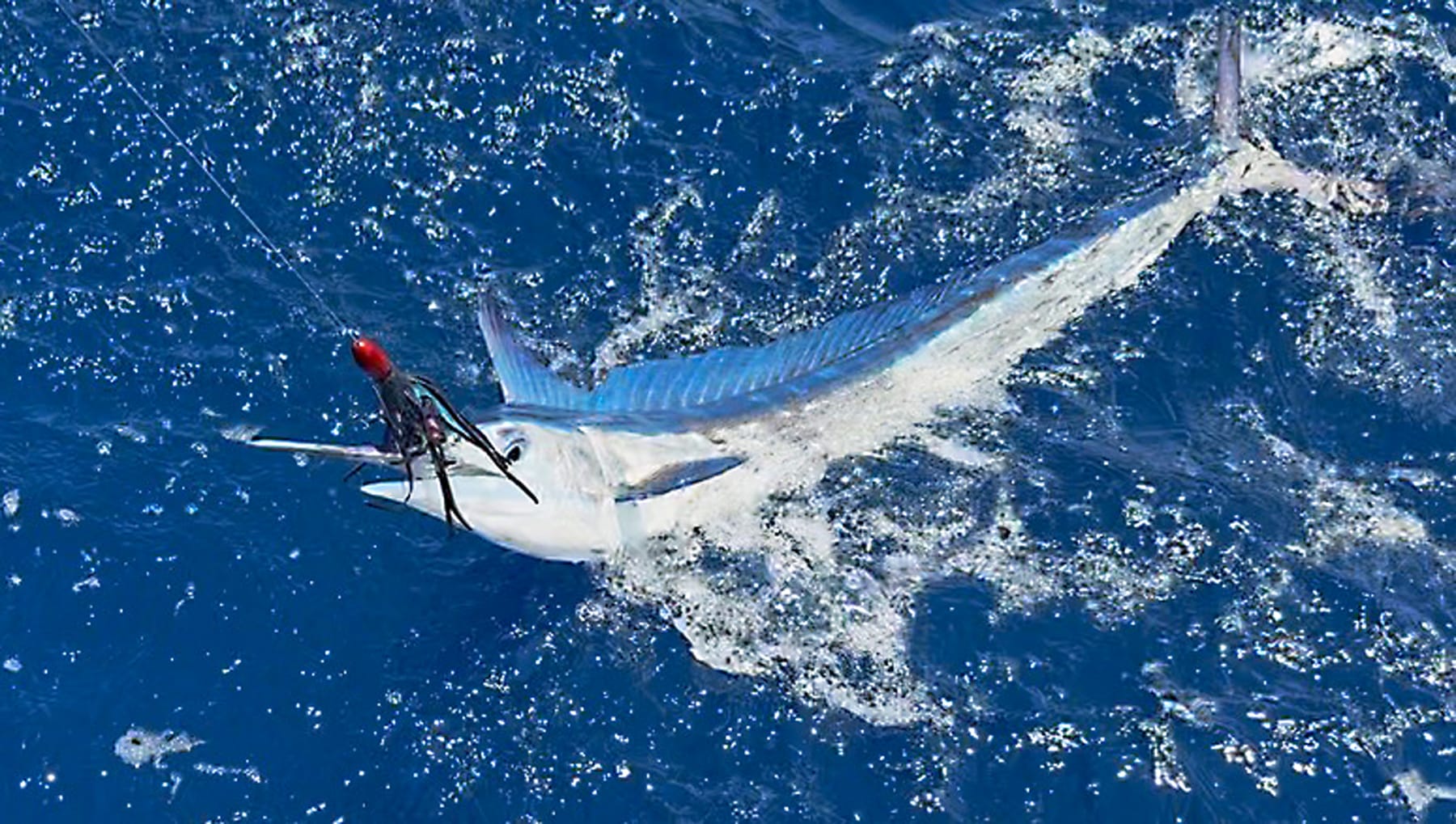
Osservazioni sul campo - Dopo un primo momento di disorientamento anche noi abbiamo cercato di reagire e a studiare delle strategie tali da farci ritrovare l'equilibrio perduto e soprattutto qualche pesce. A seconda della specie la scorsa estate ha influito in maniera diversa, ma più o meno tutti i pesci ne hanno risentito. I mesi che hanno accusato maggiormente di quest'anomalia climatica sono stati luglio ed agosto. A luglio i pelagici classici dell'altura come tonni, alalunghe e aguglie imperiali non sono scomparsi bensì si sono stabilizzati lungo rotte bene precise, passando gran parte della giornata sotto i 25 metri di profondità e affiorando soltanto la mattina molto presto e la sera vicino al tramonto. Da un esame eseguito all'interno dello stomaco di diversi esemplari anziché trovare gamberetti (krill) e piccoli totani com'è consueto in questa stagione, abbiamo trovato alici e sardine. Questo a dimostrazione di quanto fosse cambiata la dieta di tali pesci che generalmente cacciano il pesce azzurro in autunno. Nel sottocosta la prima cosa che abbiamo notato seguendo i segnali dell’ecoscandaglio è stata la scomparsa dei nutrienti. Le aree solitamente ricche di mangianza sembravano improvvisamente desolate e abbandonate. Alcuni predatori di fondo come il dentice che sembra essere una tra le specie che maggiormente viene influenzata dai cambiamenti di temperatura durante il periodo caldo, sembrava completamente scomparso.
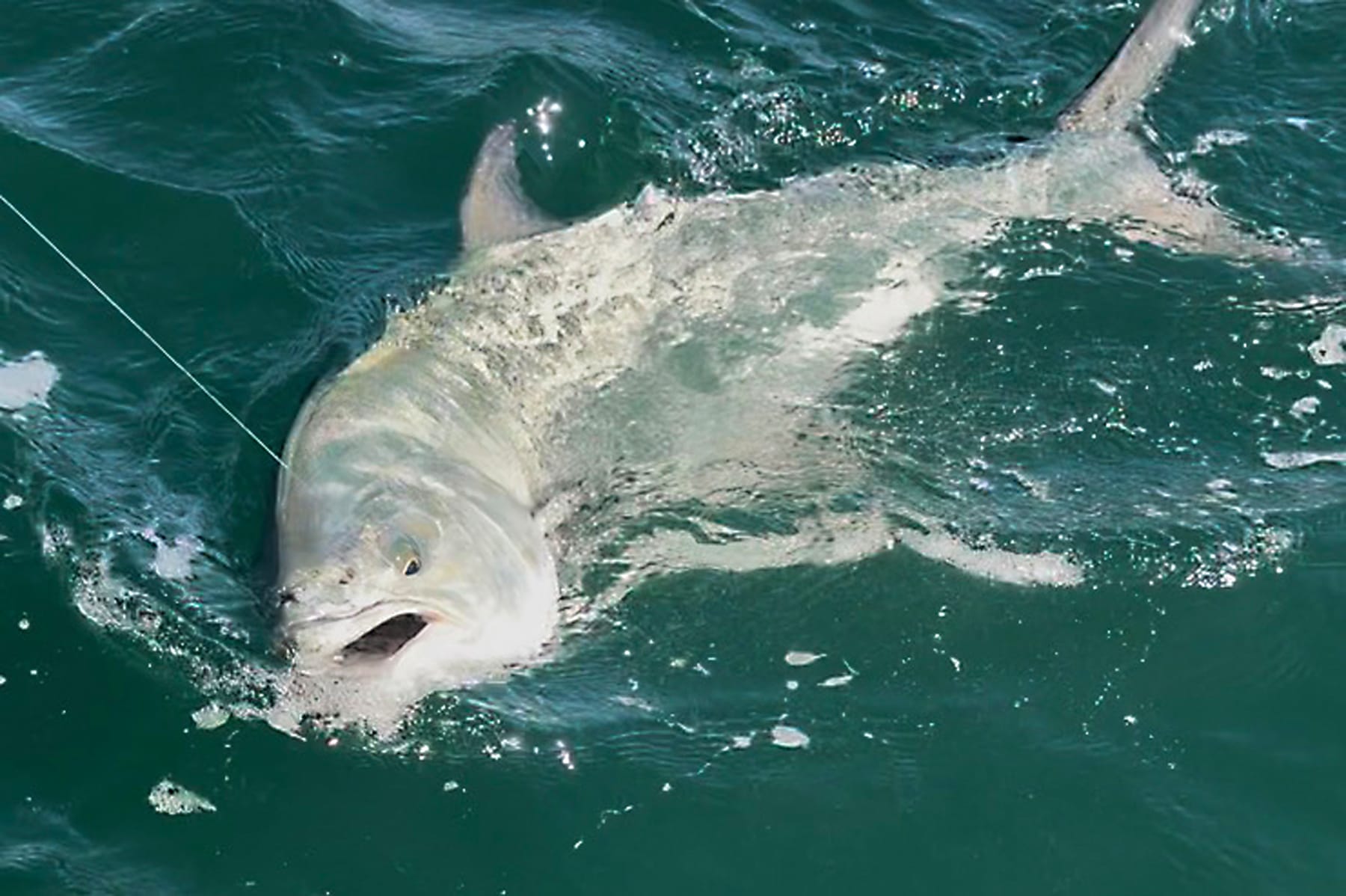
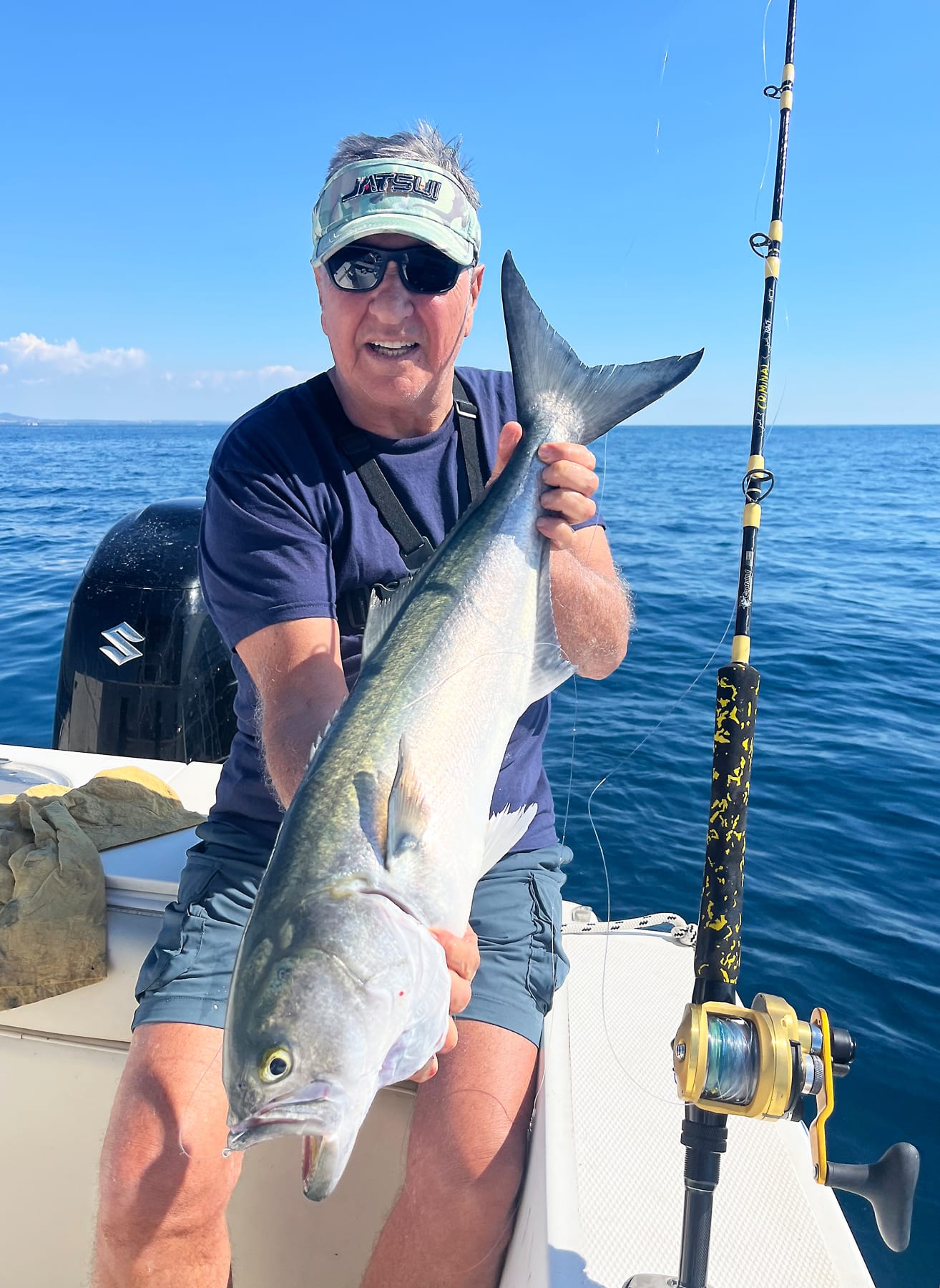
Anche le ricciole e le lecce non propriamente a loro agio nel caos dei bagnanti, ma comunque abbastanza presenti in agosto, hanno disertato molte delle loro aree abituali. Il nostro istinto ci porta a pensare che quando il mare si surriscalda in superficie, tutti i pesci si portino al di sotto del termoclino e noi li andiamo a cercare ad alte profondità. In teoria questo è plausibile, ma c’è da fare una considerazione importante su alcuni predatori come la ricciola, la leccia e il pesce serra: questi predatori vivono in banchi abbastanza nutriti che hanno un considerevole fabbisogno giornaliero di cibo, di conseguenza se i nutrienti sono al di sopra del termoclino sarà quella la fascia d’acqua che seguiranno durante il surriscaldamento, garantendosi un sicuro approvvigionamento di aguglie, piccoli tunnidi, occhiate, lampughette e tutti gli altri pesci che durante il periodo estivo si mantengono al di sopra dello sbarramento del termoclino. Ovviamente questa non è la regola, in molti casi le ricciole sprofondano alla ricerca di temperature costanti, disturbate dall’acqua calda in superficie e trovando vicino al fondo il nutrimento necessario. Durante il periodo estivo infatti, non è raro trovare nello stomaco delle grandi ricciole sogliole, gallinelle, pagelli, tanute e tanti altri pesci di fondo.
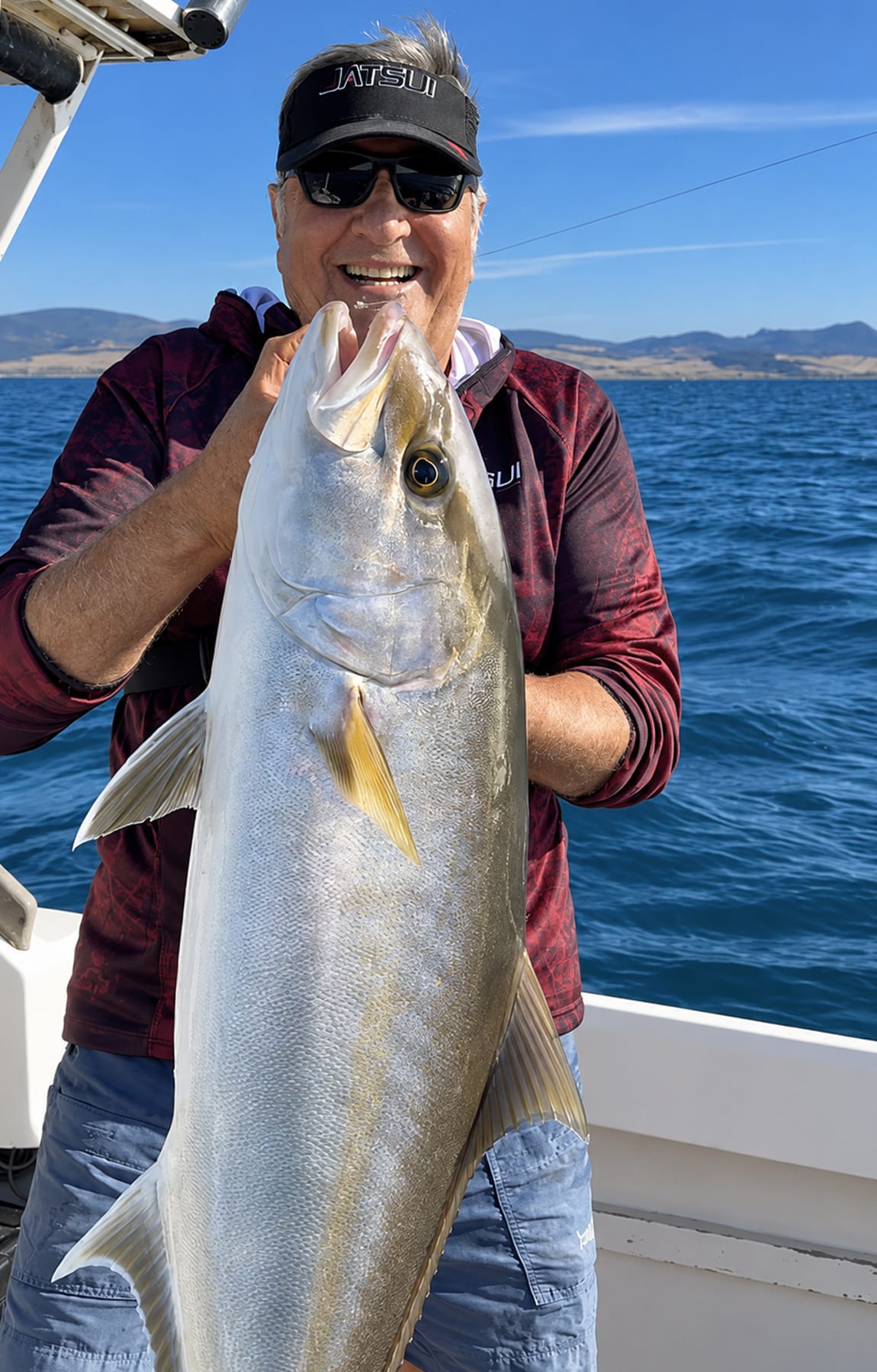
Arriva settembre - Improvvisamente è accaduto l’inimmaginabile, con la fine della bolla di alta pressione che aveva caratterizzato l’estate più calda degli ultimi cinquant’anni, la temperatura dell’acqua ha fatto un balzo verso il basso di 5, 6 e addirittura 7 gradi. Questo dapprima ci ha fatto seriamente preoccupare, in quanto se i pesci sono così sensibili alle brusche variazioni di temperatura figuriamoci se un raffreddamento così repentino non avrebbe fatto sparire quei pochi esemplari rimasti, invece è accaduto l’esatto contrario. Improvvisamente dai primi di settembre le alici si sono avvicinate alla costa, dietro a loro piccoli tunnidi come tombarelli e alletterati, seguiti da ricciole, lecce e pesci serra. Con la temperatura rientrata nelle medie stagionali, l’ecosistema si è normalizzato, anzi si è arricchito inspiegabilmente. La traina con il vivo ha vissuto dei momenti memorabili, come non se ne vedevano da decenni con tantissime catture e i predatori costieri presenti in gran numero anche dove non se ne vedevano da anni.
Il grande assente - Nonostante fosse il pesce che in teoria, grazie al suo facile adattamento ai cambiamenti di temperatura, non avrebbe dovuto risentire eccessivamente dell’anomalia climatica, l’unico che già da metà luglio è scomparso senza più apparire è il tonno. In genere finita la riproduzione a fine giugno, primi di luglio, si riavvicina alla costa rimanendoci fino ad autunno inoltrato e a volte anche in inverno. La scorsa estate invece, i tonni hanno fatto una timida apparizione verso fine luglio per poi scomparire dalla scena e non farsi più vedere. Anche nei santuari dell’Adriatico dove la sua presenza è sempre assicurata il suo arrivo si è fatto attendere invano. Probabilmente il caldo intenso della scorsa estate ha completamente scombussolato la normale attività metabolica di questo pesce da fargli prendere chissà quali strade.
Cosa dobbiamo aspettarci - La prima grande sorpresa che dovremo aspettarci sarà relativa al prossimo inverno. Se le temperature torneranno ai valori normali può darsi che i periodi riproduttivi si mantengano vicini allo standard, ma se anche l’inverno sarà anomalo dovremo prepararci ad uno slittamento dell’accostamento e della riproduzione di molte specie, con il conseguente scombussolamento di tutta la catena. Questa, come hanno preannunciato gli esperti climatologi, potrebbe essere la prima di tante estati caratterizzate da innalzamenti anomali delle temperature e ricadute di 6-7 gradi, con fenomeni meteorologici estremi e così come la fauna terrestre non potrà fare altro che abituarsi, speriamo lo faccia anche quella marina.

The Mediterranean Sea is a unique ecosystem, with its multitude of native species, its distinctive and often unpredictable currents, its characteristic winds and, above all, temperatures that allow a vast range of fish, crustaceans and molluscs to live and reproduce. Surface temperatures in our sea range from 8–10°C in winter to 25–27°C in summer. During a normal summer, the daytime sun heats the land more quickly than the water. Warm air rises, creating an area of low pressure that draws in cooler air from the sea: what we commonly call a sea breeze, or thermal sea breeze, which normally develops during the hottest hours. At night, the land cools more quickly than the water and the cycle reverses, with air blowing offshore from the land. This is what we commonly call a land breeze, which begins around sunset. The greater the temperature difference between land and water, the stronger the wind. These movements of air, however gentle, help maintain a sea-surface temperature that allows many species to swim and hunt near the surface. Last summer brought temperatures far above average both by day and, especially, by night. This prevented the surface layer from cooling overnight and settling at the average levels to which surface-dwelling species are accustomed. Although particularly hot summers have seen temperatures exceed 28°C, in July and August 2026 the thermometer recorded readings as high as 32°C in both the Tyrrhenian and Adriatic seas. During those months, a rather disturbing phenomenon occurred: many surface-dwelling species gradually moved deeper in search of stable temperatures, and the immediate inshore waters became significantly depleted. Despite these troubling developments, however, apart from a few limited areas the thermocline remained at fairly reasonable depths. The only difference was that below it there could be layers of water colder than average. For some species, this created a truly impenetrable barrier.
Fish behaviour – Most marine creatures have a body temperature similar to that of their surroundings and, unlike mammals, cannot readily alter it. If the temperature of their environment, the water, changes, they must adapt as best they can. To change their body temperature, they have to alter their metabolism, speeding it up or slowing it down. This is not always possible and involves considerable energy expenditure. In nature, living creatures always choose the shortest and simplest route, so rather than adapting to their surroundings, fish move, especially when the change is rapid and gives them no time to adjust. The first to be affected by temperature changes are the forage fish, the small fish that form the base of the food pyramid. Depending on the scale and speed of the change in water temperature and on environmental factors, these small fish move in an attempt to remain in a layer of water at a constant temperature. The entire food chain follows them, right up to the large predators. This movement does not always take them below the thermocline: fish move to different depths or geographical areas to find the best conditions for the season, minimising changes in their body temperature. Last summer, however, the changes in surface temperature were so unusual that whole stocks of small and large fish were forced to move considerable distances.
Observations on the water – After an initial period of confusion, we too tried to respond and develop strategies that would help us regain our lost balance and, above all, find some fish. Last summer affected different species in different ways, but more or less all fish felt its effects. July and August were the months most affected by this climatic anomaly. In July, the usual offshore pelagics, such as tuna, albacore and Mediterranean spearfish, did not disappear; instead, they settled along very specific routes, spending much of the day below 25 metres and coming to the surface only very early in the morning and in the evening around sunset. Examining the stomachs of several specimens, instead of finding small shrimps (krill) and small squid, as is usual at that time of year, we found anchovies and sardines. This showed how much the diet of these fish had changed, since they generally hunt small oily fish in autumn. Inshore, the first thing we noticed while following the sounder marks was the disappearance of forage fish. Areas normally rich in baitfish suddenly seemed deserted and abandoned. Some bottom-dwelling predators, such as dentex, which appears to be among the species most affected by temperature changes during the warm season, seemed to have vanished completely. Even greater amberjack and leerfish, never entirely comfortable amid the commotion of swimmers but still fairly common in August, deserted many of their usual areas. Instinct leads us to think that when the sea surface overheats, all fish move below the thermocline, and we go looking for them in deep water. In theory this is plausible, but there is an important consideration concerning predators such as greater amberjack, leerfish and bluefish. These species live in sizeable shoals with a substantial daily food requirement. Consequently, if the forage fish are above the thermocline, that is the layer they will follow during the overheating, ensuring a reliable supply of garfish, small tunas, saddled seabream, juvenile dolphinfish and all the other fish that remain above the thermocline barrier during summer. Obviously, this is not a hard-and-fast rule. In many cases, disturbed by warm surface water, greater amberjack descend in search of stable temperatures and find the food they need near the bottom. Indeed, during summer it is not unusual to find sole, tub gurnard, pandora, black seabream and many other bottom-dwelling fish in the stomachs of large amberjack.
September arrives – Suddenly, the unthinkable happened. As the high-pressure bubble that had characterised the hottest summer in fifty years broke down, the water temperature plunged by five, six and even seven degrees. At first, this caused us serious concern: if fish were so sensitive to abrupt temperature changes, surely such a sudden cooling would make the few remaining specimens disappear. Instead, precisely the opposite happened. Suddenly, from early September, anchovies moved inshore, followed by small tunas such as bullet tuna and little tunny, with greater amberjack, leerfish and bluefish behind them. As temperatures returned to seasonal averages, the ecosystem returned to normal; indeed, inexplicably, it became richer. Live-bait trolling produced memorable fishing, the like of which had not been seen for decades, with countless catches and large numbers of coastal predators even in places where they had not been seen for years.
The conspicuous absentee – Although it was the fish that, in theory, should not have been excessively affected by the climatic anomaly because of its ready adaptation to temperature changes, the one species that had disappeared by mid-July without returning was tuna. Generally, after spawning ends in late June or early July, tuna move closer to the coast and remain there until well into autumn, sometimes even through winter. Last summer, however, they made a brief appearance towards the end of July before disappearing from the scene and never showing again. Even in the Adriatic strongholds where their presence is normally assured, we waited in vain for their arrival. The intense heat of last summer probably disrupted their normal metabolic activity so thoroughly that they took who knows what routes.
What should we expect? – The first major surprise to anticipate concerns next winter. If temperatures return to normal, spawning periods may remain close to their usual timing. But if winter is also unusual, we will need to prepare for shifts in the inshore movements and spawning of many species, with the resulting disruption throughout the food chain. As climate experts have predicted, this could be the first of many summers marked by abnormal temperature rises followed by drops of 6–7°C and extreme weather events. Just as terrestrial wildlife will have no choice but to adapt, let us hope marine life can do so too.


Commenti ()