
Il Magrini di Cabiddu
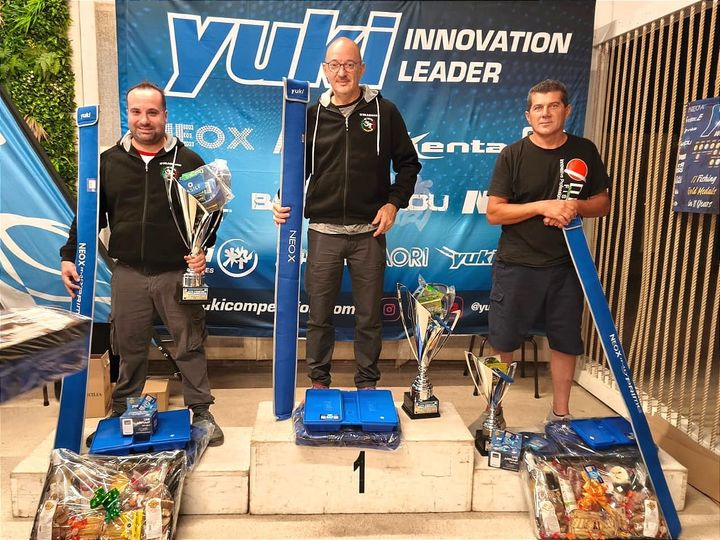
Giuseppe Cabiddu, al termine di due manche tiratissime, ha vinto la trentaseiesima edizione del Magrini.
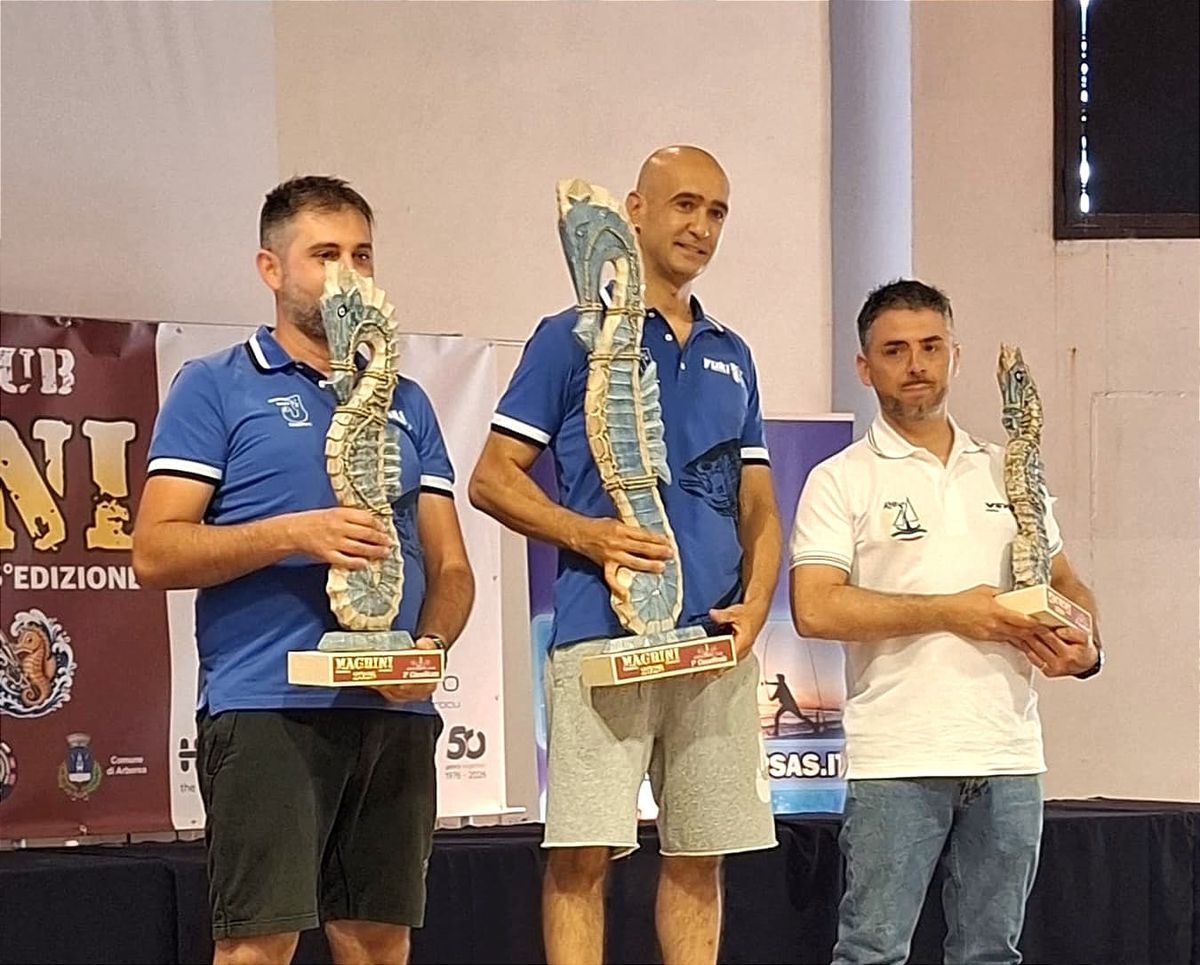
foto in alto: Marco Melis (J Casting), Giuseppe Cabiddu (JCasting) e Alessandro Caria (Anda) emozionati sul podio.
Sono passati quasi 40 anni, eppure sembra ieri! Lo scorrere del tempo è un fenomeno strano, inspiegabile, a volte dispettoso… insomma alla fine sono 36 edizioni per il Memorial Magrini. Questo splendido evento, pur passando per varie fasi evolutive, ha mantenuto inalterato il suo fascino. Nato nel ricordo di Alessandro Magrini, ideatore e direttore di Pesca in Mare, la rivista che ha determinato la crescita esponenziale della pesca sportiva in mare negli anni ’80 e ‘90, il trofeo ha progressivamente allargato i suoi confini fino a diventare una kermesse internazionale di primissimo livello. E agli aficionados, che Alessandro lo hanno conosciuto personalmente, si aggiungono ogni anno decine di atleti che non hanno avuto la stessa fortuna, ma comunque contribuiscono a perpetuarne la memoria. Oramai da due anni la location è quella dell’Horse Country ad Arborea, in passato, però, l’Hcc capitanato da Claudio Murtas, ha portato la sua gara in tour per la Sardegna: Badesi, Barisardo, Platamona e infine Oristano. La grande macchina Hcc guidata dal suo presidente e dal braccio destro Michael Meloni, si poggia sul supporto dei soci del sodalizio cagliaritano, che si dedicano anima e corpo per la realizzazione di questa epica tre giorni. Il Magrini è una girandola di emozioni, impreziosita dall’internazionalità: spariscono i confini e ci si trova in un universo di lingue, culture e tradizioni, tutti legati da un fortissimo elemento, la pesca. Il Magrini è estremo agonismo, ma è anche amicizia, è ritmo forsennato della gara, ma allo stesso tempo relax; è una vacanza ma anche una competizione davvero impegnativa, una delle più faticose del panorama agonistico sardo. La formula è quella a picchetto individuale, due manches di 4 ore con una sola canna e da un paio di anni in catch & release. Ben 140 gli iscritti di quest’ultima edizione, con la consueta foltissima partecipazione straniera: Corsica, Croazia, Galles, Germania, Grecia, Inghilterra, Irlanda, Scozia, Slovenia, Spagna e Tunisia. Non è certo mancata l’Italia, con varie presenze dalla penisola e la foltissima rappresentanza sarda, con atleti giunti dai quattro punti cardinali dell’isola. Tutti ci ritroviamo, la mattina del 30 maggio, nella sala riunioni per il breefing, poi il pranzo, un riposino e via: con la pubblicazione dei settori che aprono ufficialmente le ostilità.
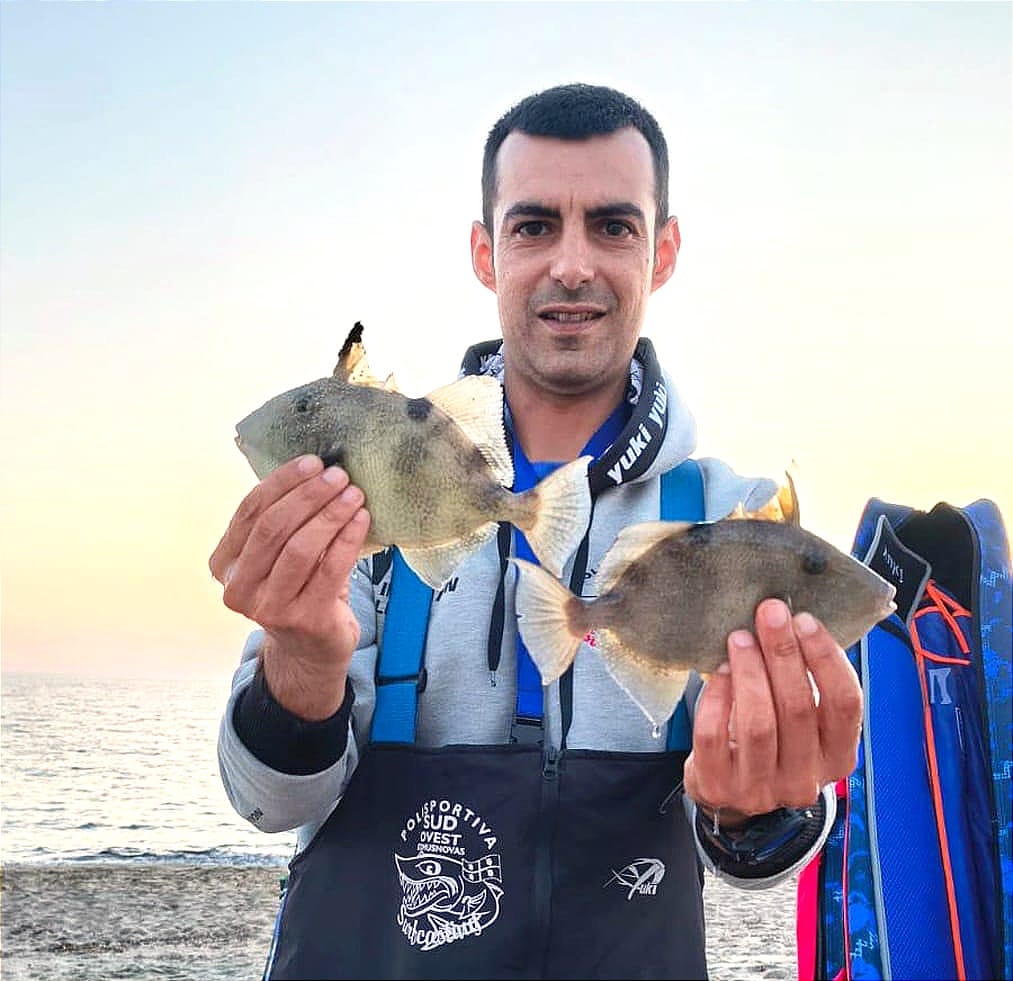
Prima manche - Si comincia il 30 maggio alle 20:00. 70 garisti ad Arborea e altrettanti a Sassu. Ogni 10 concorrenti ci sono 2 ragazzi dell’HCC in qualità di ispettori, che svolgono anche da supporto. Le sparlotte, preda classica, più delle ore diurne in questi spot, si fanno desiderare e molte di quelle catturate sono di modestissime dimensioni. C’è però spazio per le prede insolite: una coppiola di balestra catturati da Daniele Concas (Polisportiva Sud Ovest Domusnovas) e un barracuda catturato da Biagio Morra, il longcaster che il giorno prima della gara ha tenuto un affollato corso di lancio. Con il favore delle tenebre spuntano le pri-me mormore, molte meno di quanto ci si aspettasse. La classifica di giornata decreta il primo posto di Giuseppe Cabiddu davanti a Marco Melis, entrambi del JCasting Cagliari, che precedono Franco Contini del Poseidon 1984 Alghero. Ottime prestazioni per Andrea Pina Cortes (Team Spagna) e di Ghjuvn’santu Le Mao del Surfcasting Club Ghisonaccia (Corsica). Al 14° posto si attesta Alessandro Caria dell’Anda Arborea, vincitore dell’edizione di due anni fa. Come spesso succede nelle gare a picchetto si è pescato “a chiazze”, ma ancora in tanti possono considerarsi in corsa per la vittoria finale.
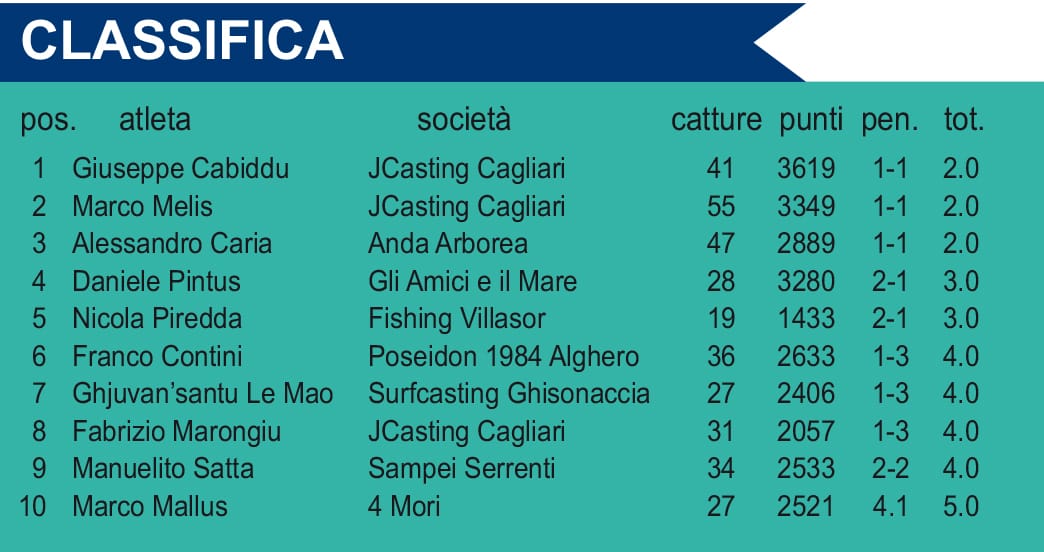
Seconda manche - Come previsto avviene l’inversione dei campi gara: chi ha gareggiato ad Arborea si ritrova a Sassu, e viceversa. Per quelli “messi bene” in classifica si tratta di replicare il risultato della prima manche, o almeno di provare a farlo. Per altri la posta in gioco è agguantare la premiazione riservata ai primi 15 classificati. Infine, per chi ha bucato in esordio e non ha più niente da perdere, è l’occasione di tornare a pesca un po’ più leggeri e tentare il successo di giornata. Condizioni meteo e pescato finale sono praticamente sovrapponibili a quelli già registrati, ma qualche atleta concede il bis. Alessandro Caria per esempio, con un brillante primo di settore e terzo assoluto di giornata agguanta il podio. Ancora meglio fanno Giuseppe Cabiddu e Marco Melis, che replicano alla grande la prestazione precedente, e ottengono rispettivamente il primo e il secondo posto assoluto in classifica finale. E Marco viene anche premiato per il maggior numero di prede, ben 55! La preda più grossa è invece di Giovanni Grimaz (Fishing Club Capitale), un mormorone che supera abbondantemente il mezzo chilo. La speciale classifica degli stranieri vede il trionfo di Ghjuvan’ santu Le Mao, mentre fra le donne primeggia la croata Tea Sikiric del Hrvatski Savez. Il Jcasting Cagliari vince fra le società, la Croazia fra le Nazioni ospiti.
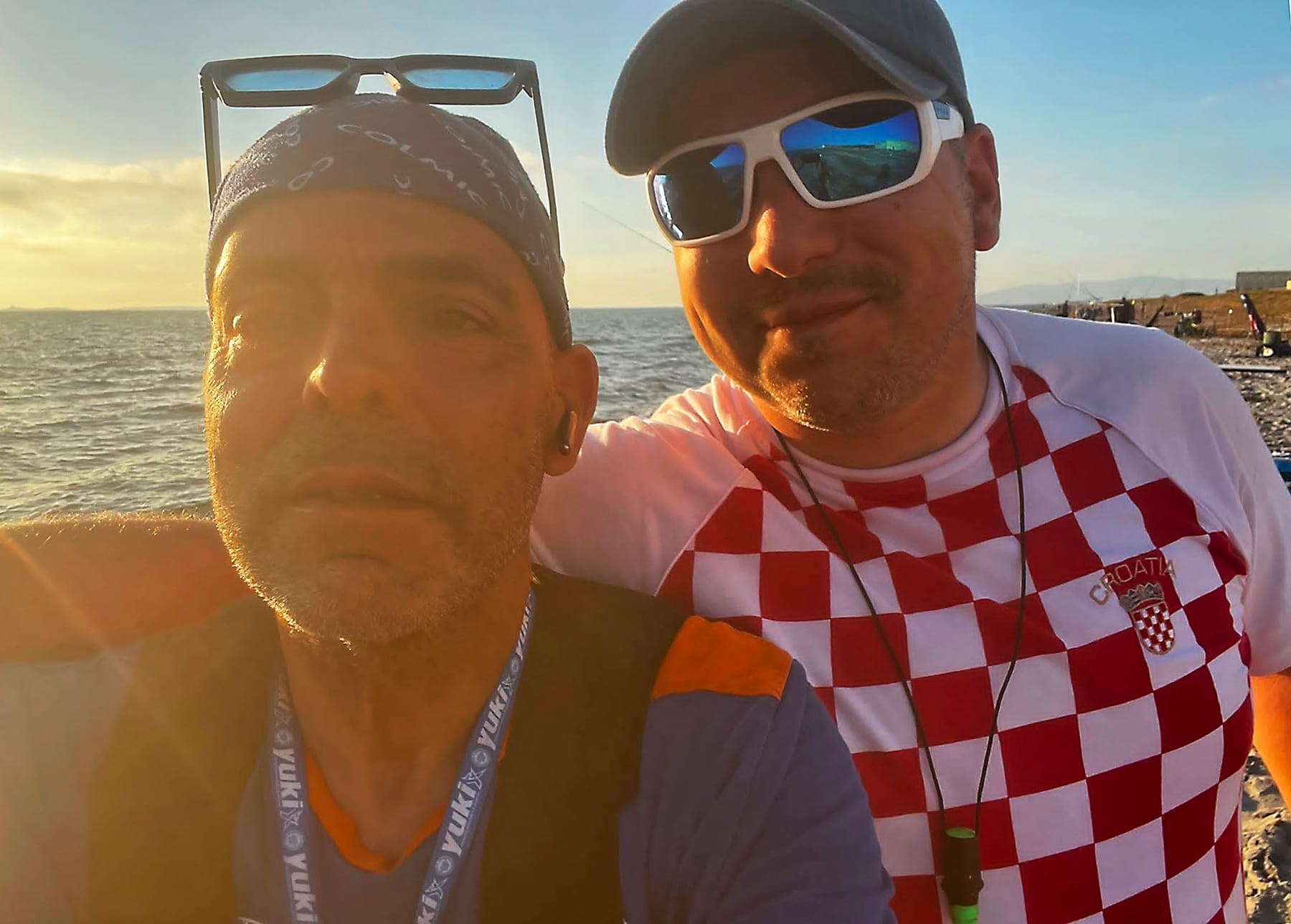
La festa finale - La ricca premiazione con attrezzatura dello sponsor tecnico Sunset e il contributo fra gli altri di M2 Fishing, Evo Tripod, Colla21 Fishing e Regione Sardegna Assessorato al turismo si è tenuta il primo giugno. Sul palco si sono alternate le varie nazioni, atleti uomini e donne, e fra di loro anche il garista più giovane, Pierluigi Simoni, che a soli 10 anni ha già dato filo da torcere ai suoi avversari in settore, benvenuto! Dopo la sarabanda di inni nazionali e la giostra di premi, ci siamo ritrovati a tavola, con le asce di guerra oramai deposte, a dar vita a quel terzo tempo che è, o almeno dovrebbe essere, parte integrante di ogni gara di pesca. Il Memorial Magrini non è solo un grande appuntamento di surfcasting, è anche un’immensa macchina organizzativa. Non è per niente semplice mettere su un evento di questa portata, ci vogliono molte risorse, umane e no, molti mesi di incessante e appassionato lavoro. L’Hcc ha svolto questo arduo compito in maniera eccellente. Grazie!
Bigger Fish - Come ogni anno il Bigger Fish si propone come anteprima del trofeo Magrini. Si tratta di una sfida alla preda più grossa, in una singola manche di 5 ore, con due canne per atleta e con campo gara comprendente il Golfo di Oristano e le spiagge di Torre dei Corsari e Is Arenas. Per ogni atleta vale solo la preda più grossa, peso minimo consentito 300 grammi. Tutto è permesso per raggiungere l’obiettivo finale, esche naturali vive e morte, cavetto d’acciaio e pasturazione. Normalmente le razze la fanno da padrone, e anche quest’anno è stato così. Su tutti si è imposto Bojan Salamon del team Slovenia che ha totalizzato 1744 punti, precedendo nell’ordine Rolf Wittern (Germania) e Daniela Pasca (Aps Maestrale Porto Torres). Le prede sono state misurate e fotografate in spiaggia, e immediatamente liberate.
English version
Cabiddu's Magrini
Almost 40 years have passed, and yet it seems like yesterday! The passage of time is a strange, inexplicable, and sometimes mischievous phenomenon… In short, the Magrini Memorial has now reached its 36th edition. This wonderful event, despite undergoing various phases of evolution, has retained its charm. Created in memory of Alessandro Magrini, founder and editor of *Pesca in Mare*—the magazine that drove the exponential growth of sport fishing at sea in the ’80s and ’90s—the tournament has gradually expanded its reach to become a top-tier international event. And alongside the aficionados—who knew Magrini personally or almost personally—dozens of athletes join the event each year who did not have the same good fortune but who nonetheless help keep his memory alive. For the past two years, the event has been held at Horse Country in Arborea, but in the past, the HCC, led by Claudio Murtas, took its competition on a tour of Sardinia: Badesi, Barisardo, Platamona, and finally Oristano. The HCC’s well-oiled machine, expertly steered by its president and his right-hand man Michael Meloni, relies on the support of the members of the Cagliari-based association, who devote themselves body and soul to making this epic three-day event a reality. The Magrini is a whirlwind of emotions, enriched by its international character: borders disappear, and you find yourself in a universe of languages, cultures, and traditions, all bound together by a very strong common thread—fishing. The Magrini is intense competition, but it’s also about friendship; it’s the frantic pace of the race, yet at the same time, relaxation; it’s a vacation but also a truly demanding competition—one of the most grueling on the Sardinian competitive scene. The format is individual spot fishing: two 4-hour rounds using a single rod, and for the past couple of years, it’s been catch-and-release. This year saw a total of 140 entrants, with the usual very large international turnout: Corsica, Croatia, Wales, Germany, Greece, England, Ireland, Scotland, Slovenia, Spain, and Tunisia. Italy was certainly well-represented, with participants from across the peninsula and a very large contingent from Sardinia, with anglers arriving from all four corners of the island. We all gathered on the morning of May 30 in the meeting room for the briefing, then headed out for lunch, a short nap, and off we went—with the announcement of the fishing sectors, the competition officially began.
The First Round - The competition began on May 30 at 8:00 p.m., with 70 anglers in Arborea and the same number in Sassu. For every 10 competitors, there were two HCC members serving as inspectors, who also provided support. The sparlotte—the classic catch, more common during daylight hours at these spots—were hard to come by, and many of those caught were very small. However, there’s room for some unusual catches: a pair of crossbowfish caught by Daniele Concas (Polisportiva Sud Ovest Domusnovas) and a barracuda caught by Biagio Morra, the longcaster who held a well-attended casting course the day before the competition. As darkness falls, the first striped seabream begin to appear, though far fewer than expected. The day’s standings placed Giuseppe Cabiddu in first place ahead of Marco Melis, both from JCasting Cagliari, who thus finished ahead of Franco Contini of Poseidon 1984 Alghero. Excellent performances were delivered by Andrea Pina Cortes (Team Spagna) and Ghjuvn’santu Le Mao of the Surfcasting Club Ghisonaccia (Corsica). In 14th place is Alessandro Caria of Anda Arborea, winner of the competition two years ago. As often happens in fixed-spot competitions, the fishing was “spotty,” but many competitors are still in the running for the overall victory.
Second Round - As expected, the competition venues are switched: those who competed in Arborea now find themselves in Sassu, and vice versa. For those “well-placed” in the standings, the goal is to replicate their result from the first round—or at least try to do so. For others, the stakes are high: securing a spot on the podium, reserved for the top 15 finishers. Finally, for those who struggled in the first round and have nothing left to lose, this is a chance to return to the water with a little less pressure and aim for success on the day. Weather conditions and the final catch are practically identical to those already recorded, but a few competitors manage to pull off another strong performance. Alessandro Caria, for example, with a brilliant first-place finish in his sector and third overall for the day, secures a spot on the podium. Giuseppe Cabiddu and Marco Melis do even better, brilliantly replicating their previous performance and securing first and second place overall in the final standings, respectively. Marco is also awarded for the highest number of catches—a whopping 55! The largest catch, however, belongs to Giovanni Grimaz (Fishing Club Capitale): a striped seabream well over half a kilo. The special ranking for foreign competitors saw Ghjuvan’santu Le Mao triumph, while among the women, the Croatian Tea Sikiric of Hrvatski Savez took first place. Jcasting Cagliari won the club category, and Croatia won among the guest nations.
The Closing Ceremony - The lavish awards ceremony, featuring gear from technical sponsor Sunset and contributions from M2 Fishing, Evo Tripod, Colla21 Fishing, and the Sardinia Region’s Department of Tourism, among others, was held on June 1. Various nations, male and female athletes, took turns on stage, including the youngest competitor, Pierluigi Simoni, who, at just 10 years old, has already given his opponents in the division a run for their money—welcome! After the flurry of national anthems and the whirlwind of awards, we gathered around the table—with the “weapons of war” now laid aside—to enjoy that “third half” that is, or at least should be, an integral part of every fishing competition. The Magrini Memorial isn’t just a major surfcasting event; it’s also a massive organizational undertaking. It’s by no means easy to put together an event of this scale—it requires significant resources, both human and otherwise, as well as many months of relentless and passionate work. The HCC has carried out this arduous task with excellence. Thank you!
Bigger Fish
As it does every year, the Bigger Fish serves as a preview of the Magrini Trophy. It’s a challenge to catch the biggest fish in a single 5-hour round, with two rods per angler and a competition area covering the Gulf of Oristano and the beaches of Torre dei Corsari and Is Arenas. For each angler, only the largest catch counts, with a minimum weight of 300 grams. Anything goes to achieve the ultimate goal: live and dead natural bait, steel wire, and chumming. Stingrays usually dominate, and this year was no exception. Bojan Salamon of Team Slovenia came out on top with a total of 1,744 points, followed by Rolf Wittern (Germany) and Daniela Pasca (APS Maestrale Porto Torres). The catches were measured and photographed on the beach, then immediately released.
Commenti ()