
40 anni, estroverso, biologo, brillante, appassionato. Una vita privata e professionale vivace. Sempre attivo e disponibile. Francesco farà ancora parlare di sé!
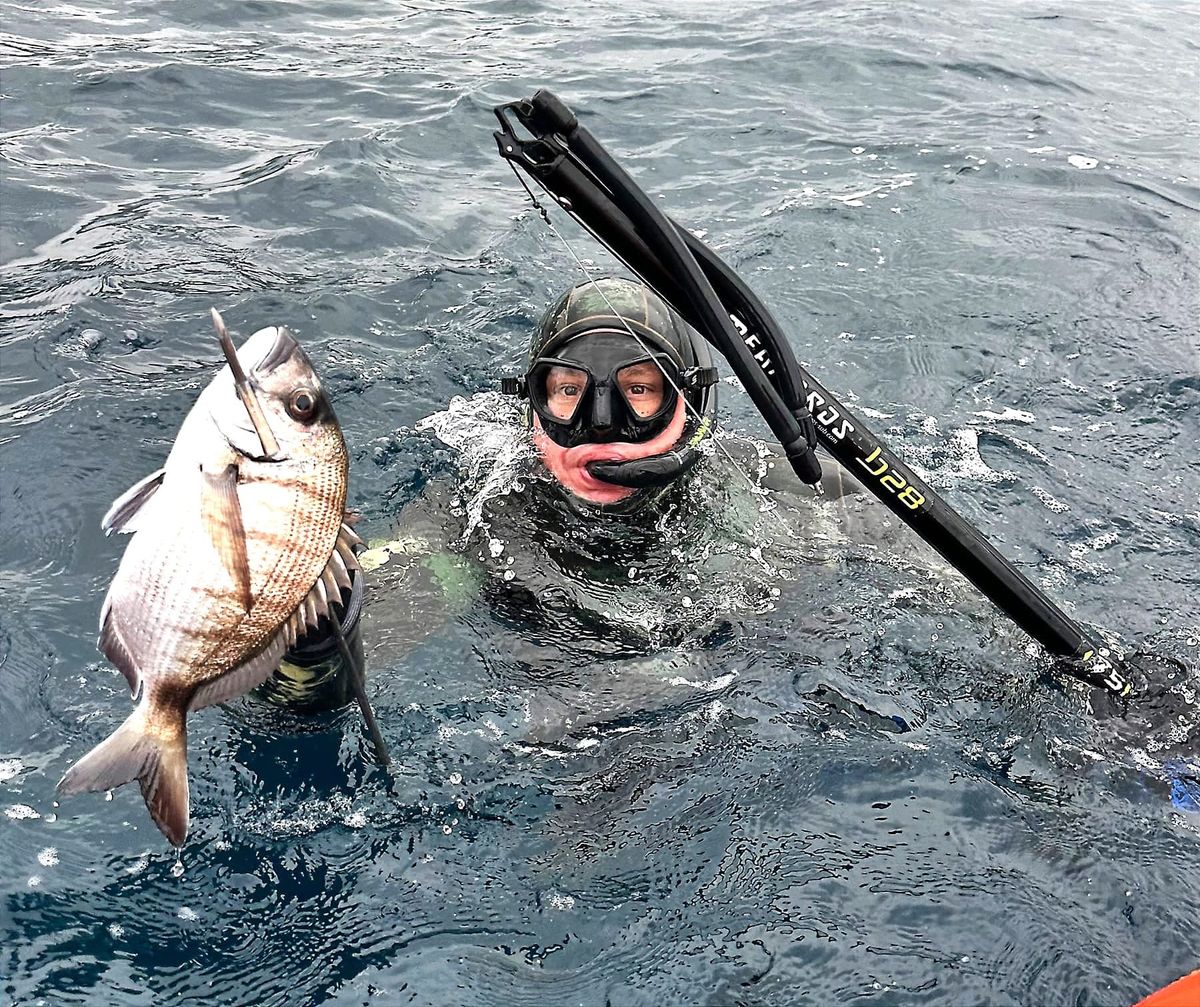
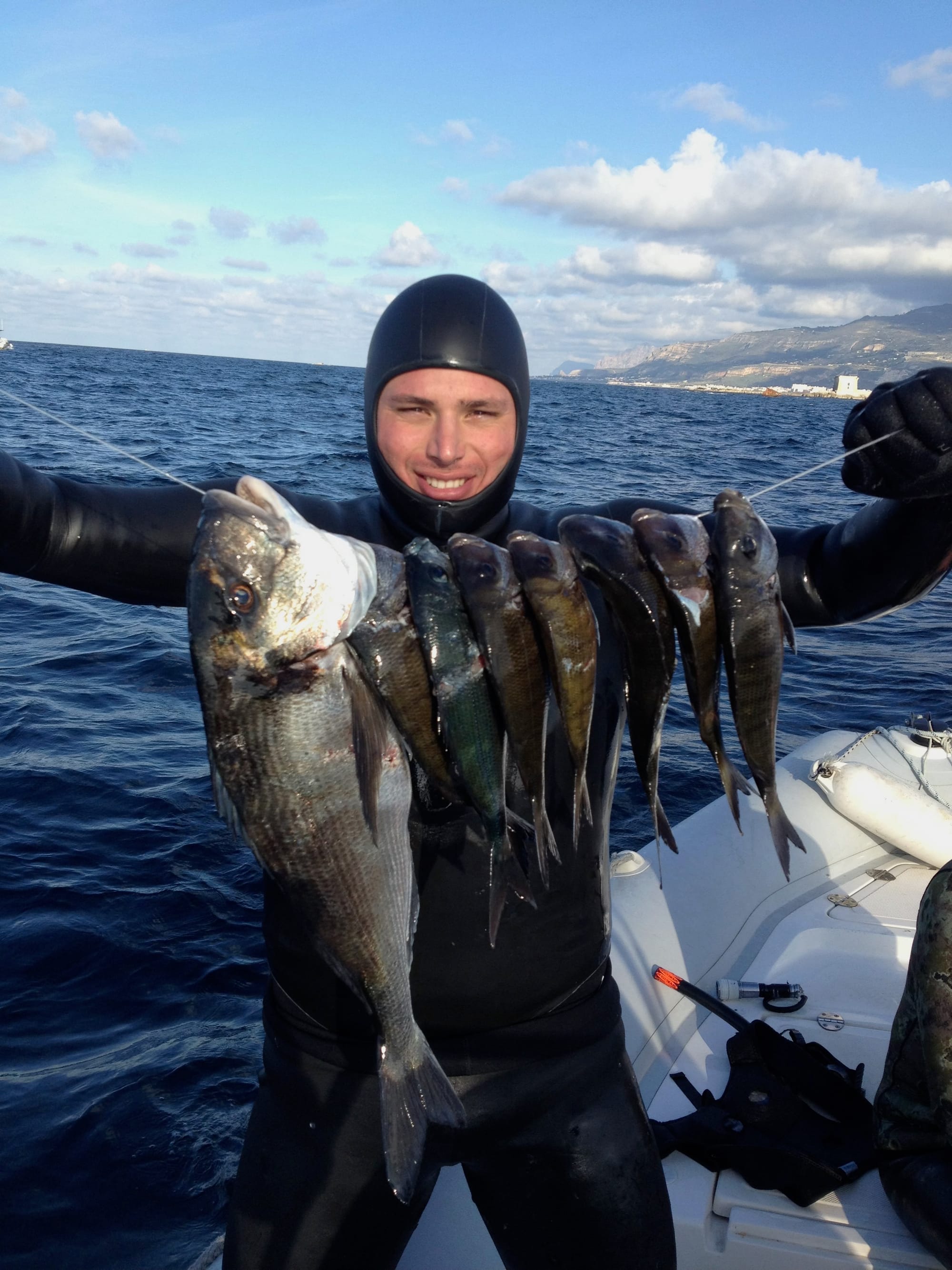
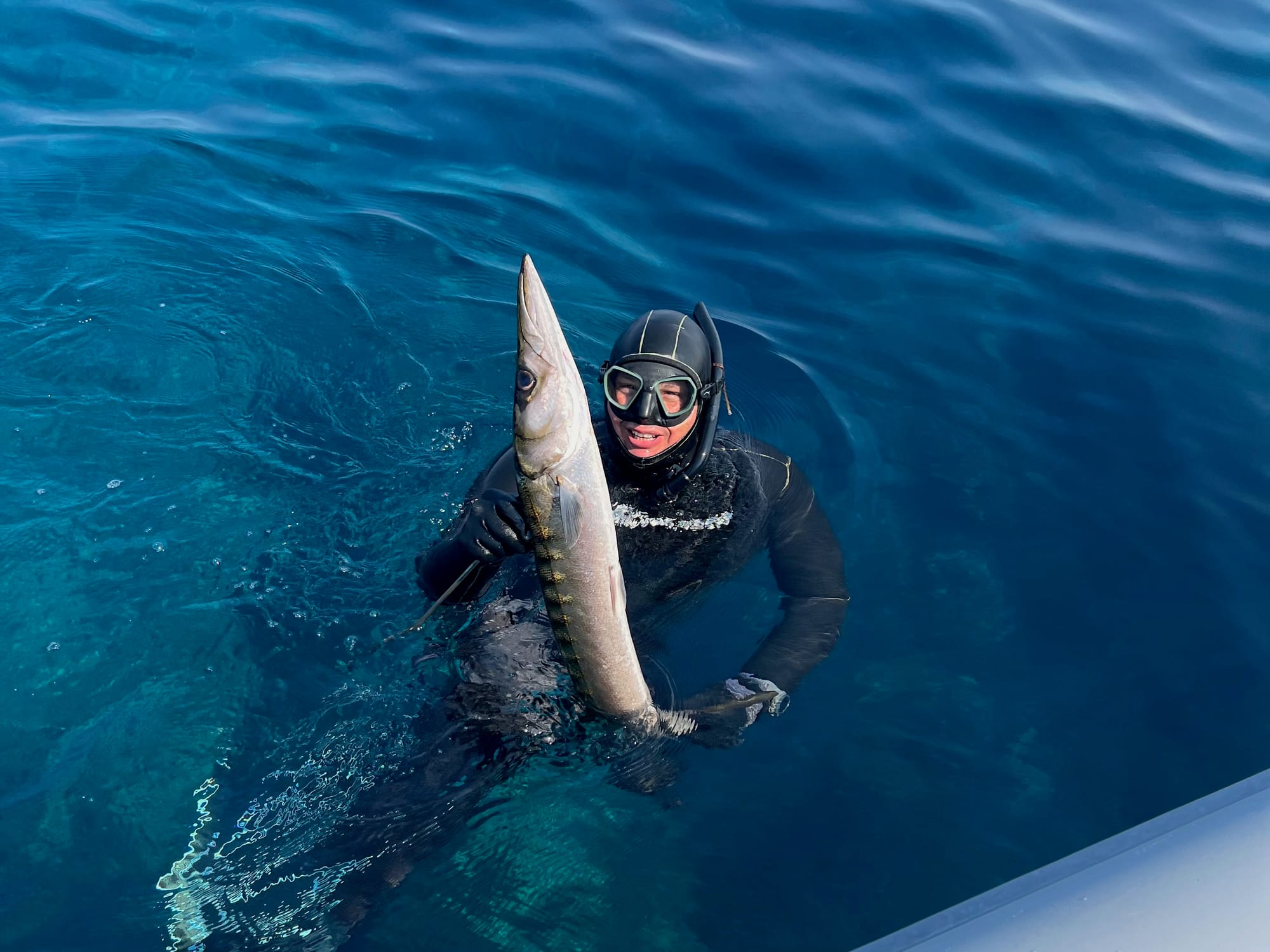
Foto in alto: Francesco con un bellissimo sarago catturato in una tana conosciuta.
"Melo è uno zio, parte di una cricca di pescatori storici palermitani, che ha introdotto in famiglia l’attività subacquea. Io, a tre anni, galleggiavo già, in piscina, e un po’ dopo, ne avrò avuto 6 o 7, gironzolavo con papà a Mondello in cerca del catturabile, fondamentalmente polpi e ricci.”. Esordisce così Francesco Sacco, in risposta alla domanda: come sei arrivato alla pescasub? Il centro nevralgico delle sue esperienze alieutiche (canna compresa), è Mondello prima e Barcarello (oggi nella riserva marina di Capo Gallo-Isola delle Femmine, frazione costiera della riserva Naturale di Capo Gallo) poi. In entrambe le località insiste ancora una casa di famiglia, le magioni a uso prevalentemente estivo, dove, per tre mesi all’anno, Francesco faceva rientro dopo le sue uscite in mare. Finalmente a 16 anni l’aspirante cacciatore in apnea diventa proprietario di un fucile subacqueo, un acquisto sudato, frutto dei risparmi della “merenda”.
E allora? Cosa è cambiato? Beh, col fucile e il motorino mi sentivo emancipato. Potevo raggiungere l’Addaura, e non molto spesso, in poco meno di un’ora, arrivavo a Aspra o Mongerbino, sul limite orientale del Golfo di Palermo.
A cosa sparavi? Direi pesce bianco: saraghi e qualche orata. Anche più tardi, dopo il diploma, a 18 anni compiuti, con mio cugino poco più grande di me. Ci spostavamo in macchina a Terrasini e a San Vito Lo Capo e Marsala, nel trapanese.
Quale tecnica preferivi? Diciamo che all’inizio ero votato all’aspetto, ma già in quel periodo mi dedicavo con curiosità e soddisfazione anche alla tana. Quindi saraghi e orate d’estate e spigole d’inverno.
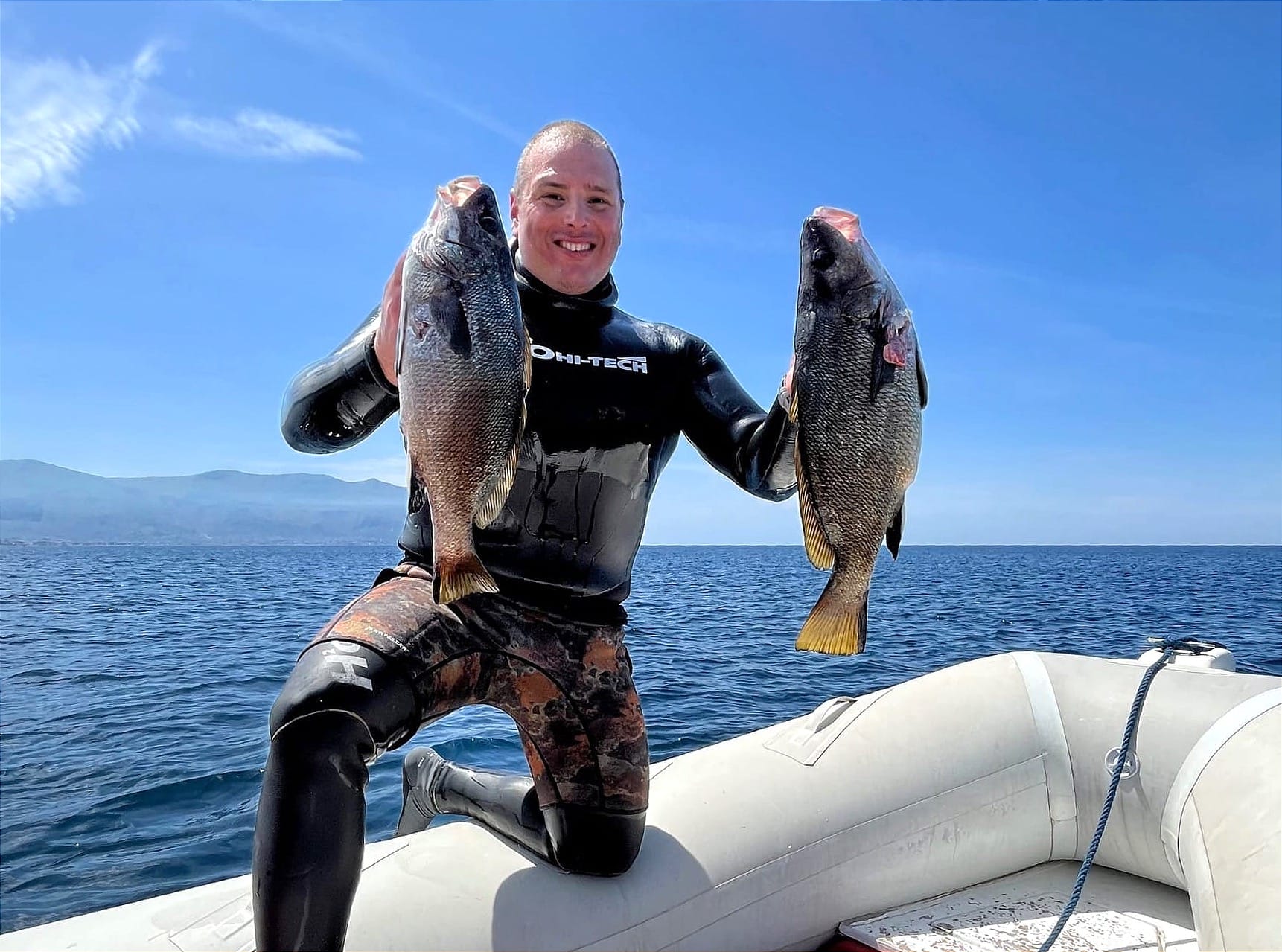
Il primo pesce importante? Senz’altro una spigola di 7 chili. Era fine agosto durante uno “sciroccato” pomeriggio, a Mondello. Pescavo su un grotto molto basso che si alternava a sabbia e posidonia sugli 8-9 metri. Di solito trovavo pallonate di saraghi che stazionavano a mezz’acqua e che insidiavo all’aspetto tra roccia e sabbia. Il giorno li trovai, ma erano più bassi, quasi schiacciati sul fondo. M’immersi e d’improvviso si aprirono lasciando via libera alla spigola che procedeva spedita venendomi incontro, quasi minacciosa. L’aspettai e sparai fulminandola. Non poteva andarmi meglio, raccolsi le mie cose e ripartii verso casa più che soddisfatto, direi orgoglioso.
Differenze tra Est e Ovest? Terrasini e il trapanese in generale hanno fondali abbastanza diversi. Mondello, l’ho appena detto, ha un fondale di grotto basso con abbondanti aree di posidonia e sabbia. Terrasini invece presenta una superficie morfologicamente variegata, ricca di risalite e schiene calcaree fessurate.
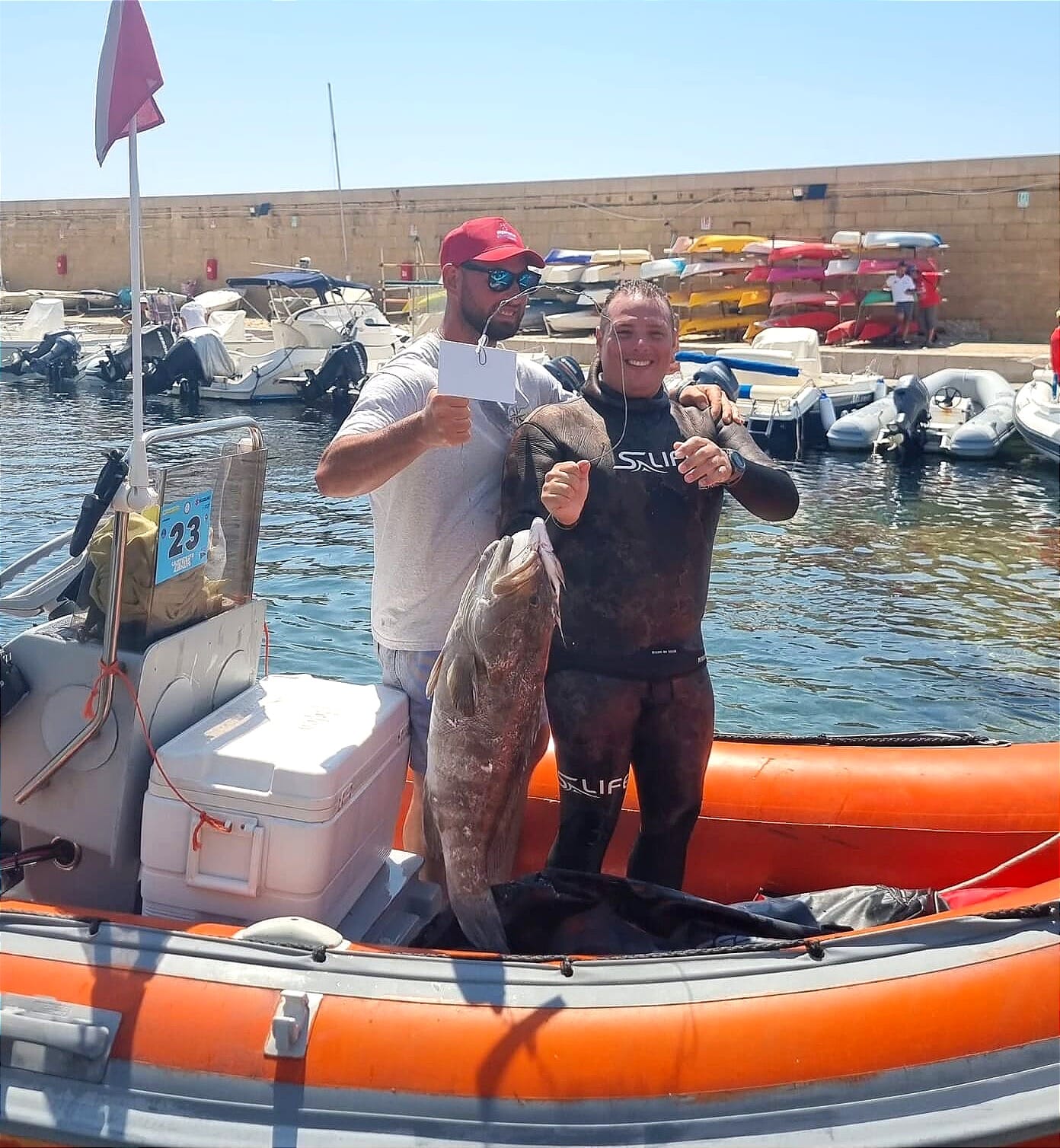
L’agonismo? Ce l’ho nel sangue. Da giovane ero pallanuotista. Fu Gianfranco Montanti (Jimmy) il mio allenatore nonché istruttore di Apnea Academy a suggerirmi il primo brevetto, il secondo e il terzo. Poi con Igor Bisulli presi il brevetto di pesca in apnea. Feci qualche uscita con lui e mi si aprì un mondo, una pesca 2.0 che contaminò anche la nautica. Razzolo e pesca in tana mi affascinarono anche perché furono il viatico per l’inserimento nel mondo agonistico. Al pesce bianco si aggiunsero quindi la corvina e la cernia. A 28 anni, a Avola, disputai la mia prima gara. Un’esperienza bellissima. Con me in acqua gareggiavano i miti della pescasub, a iniziare da Nicola Riolo, che vinse, lo stesso Igor Buisulli, poi Giovanni Mangano e Salvatore Natoli, tanto per fare qualche nome. Presi una riccioletta di quasi un chilo e due saraghi. Chiusi al tredicesimo posto su 28 partecipanti. Emozione a parte, capii subito che la gara va preparata. In quell’occasione ero ancora fresco di tana con poca esperienza per gestire una fonte luminosa. È anche vero che allora le lampade e incandescenza consumavano l’ira di dio, così pagai lo scotto di una pila che a metà gara smise di funzionare. Però feci tesoro di ogni parola sentita in quel frangente e delle esperienze vissute dagli altri. Mi comprai subito il gommone e condivisi volentieri le mie uscite di pesca con Lorenzo La Manna, titolare di Apnea Store, un grosso e fornitissimo negozio di pesca in apnea a Palermo. Con lui mi cimentai in tutti i tipi di pesca, nel basso fondo e fino a poco più di 20 metri. Ne pagarono le spese saraghi, cernie e qualche dentice.
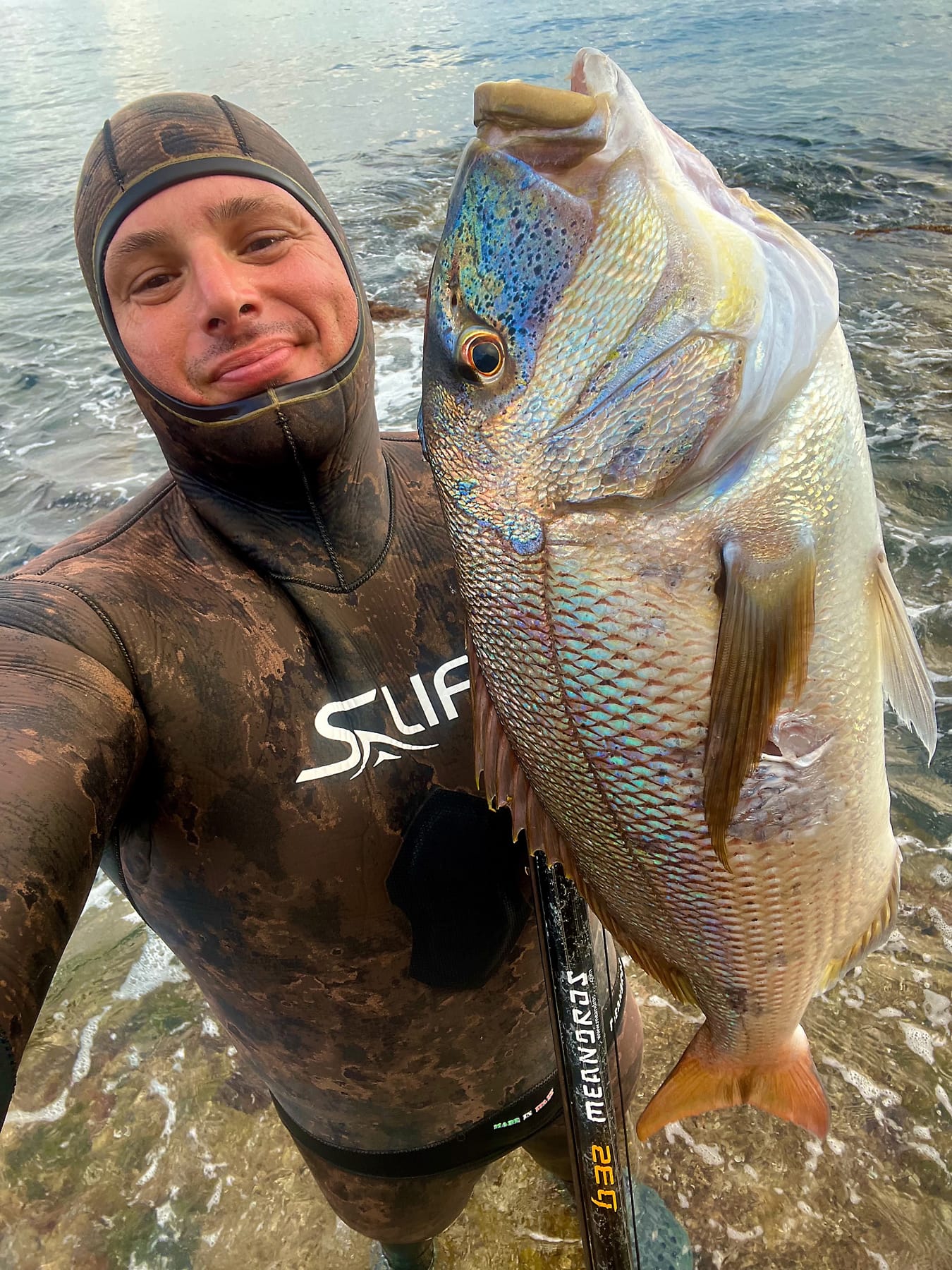
Quando ci fu una svolta? Se così si può dire, feci un exploit nell’anno agonistico 2015-2016 con i primi podi e la classificazione sfumata davvero per un soffio. Poi il matrimonio e i figli appena nati mi tennero lontano dal mare e, quindi, dai risultati. Poi il covid…
Quindi nel 2021… In quell’anno passai le selettive e mi qualificai per il campionato di seconda del 2022 a Mola di Bari. Arrivai quattordicesimo, quindi col biglietto per il mio primo campionato assoluto. Purtroppo non andò come speravo. Infastidito da un raffreddore terminai la gara con 0 prede e la possibilità di riscattarmi l’anno successivo in seconda categoria. E così, nel 2024 mi rimisi in gioco, a Bonagia. Era fine settembre, gestii alla grande due corvine con Marco Muti a fianco. La seconda giornata sempre con Marco vicinissimo, strappai una grossa corvina. Fu un’ingenuità che mi innervosì abbastanza, ma chiusi la gara con un 9 in classifica, grazie anche al supporto di Riccardo Emma talentuoso palermitano, ottavo, a 22 anni, agli ultimi assoluti e oggi assistente di De Mola. L’anno successivo, a Gallipoli per l’assoluto, mi accompagnò Francesco Drago, noto “Ciccio”, catanese, gran personaggio. Mi concentrai sulla pesca profonda e mi preparai bene dato che avevo una tana magica con una bianca e tanti grossi saraghi. Partii per il pescione, lo sparai subito ma non voleva uscire fuori. Dopo 3 ore e mezzo a 28 metri lo liberai: 7 chili. Purtroppo per il tempo avverso si disputò una sola manche. Arrivai a pari punti con Simone Cappelletti lui 15 e io 16. Abbastanza per rimanere in prima. Quest’anno a giugno, a Mazara del Vallo, arrivai diciassettesimo. Purtroppo l’unica manche si è disputata al biscione, così ho dovuto rinunciare ai tanti pesci marcati in preparazione sul campo di Mazara. Pazienza, mi aspetta un altro giro in seconda.
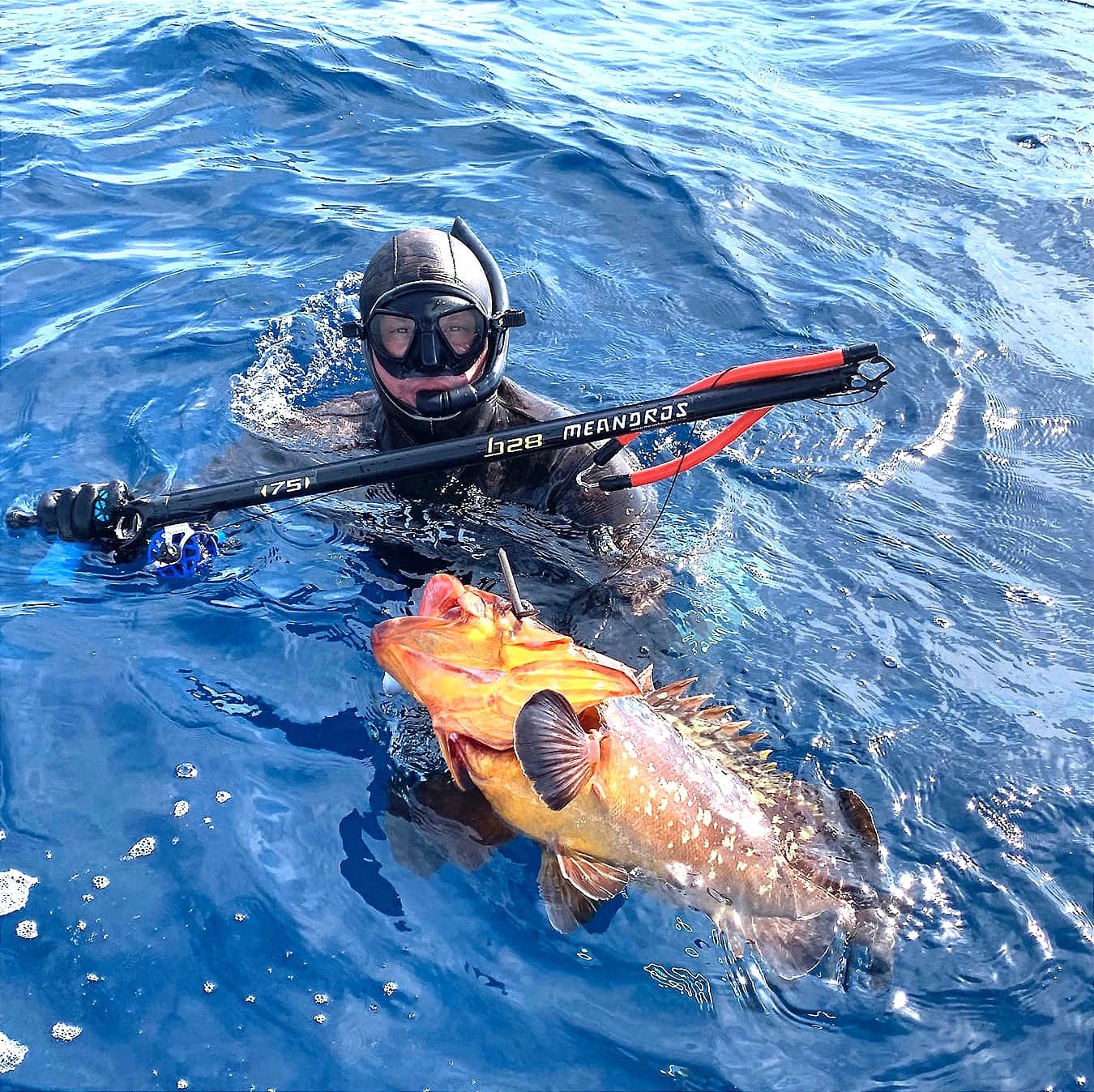
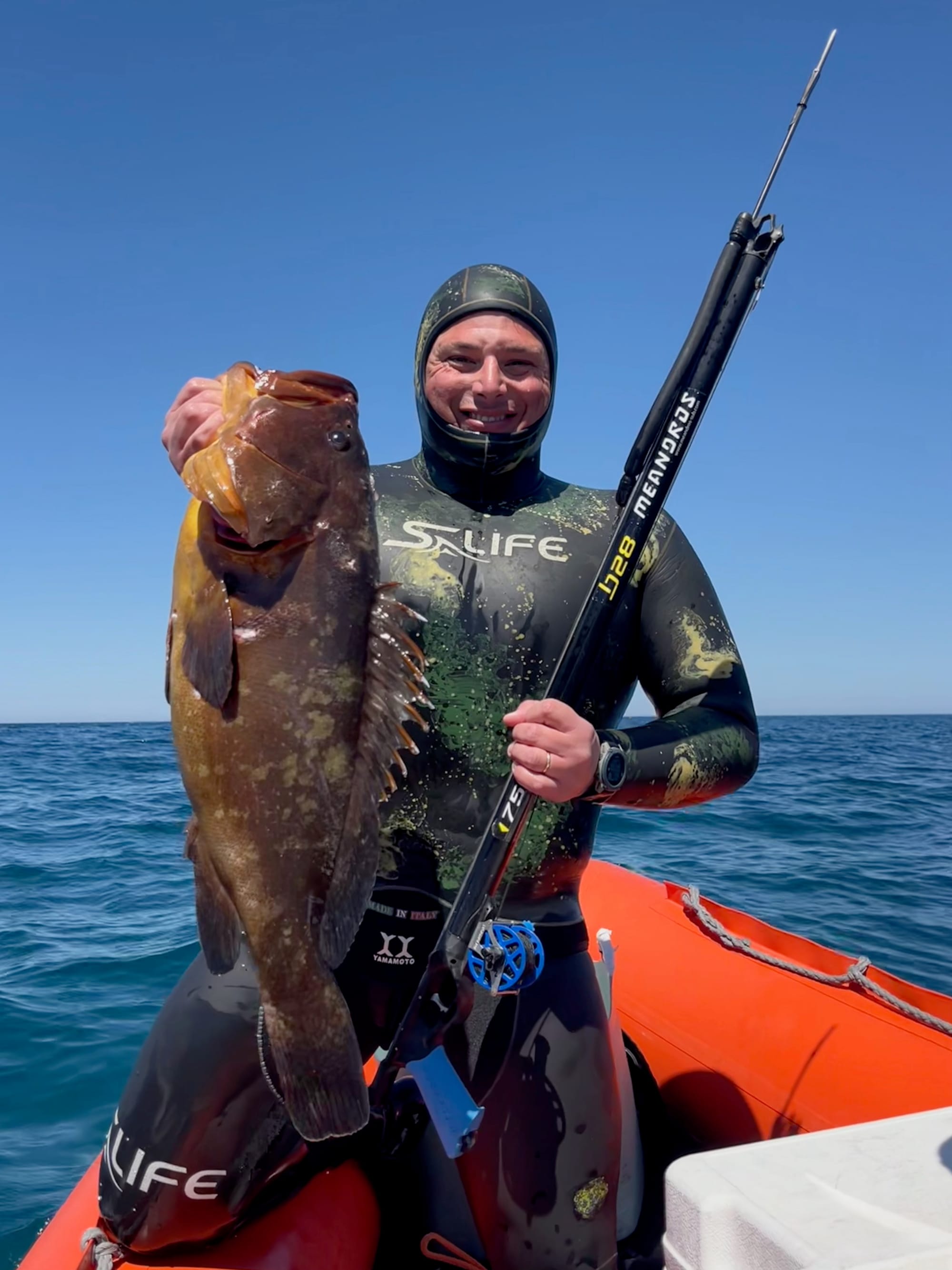
Il pesce più grosso? Due anni fa, in una secca al largo di San Leone a Agrigento. L’acqua è normalmente torbida, ma se la trovi limpida è una secca ricca di pesce. Era così quel giorno di agosto di due anni fa. Ero in corrente su un fondo di circa 20 metri e vidi questo pesce scivolare sotto una tettoia. Feci una capovolta e mi ritrovai di fronte una cernia sotto una lastra. Sparai e la fulminai. Pesava 15 chili.
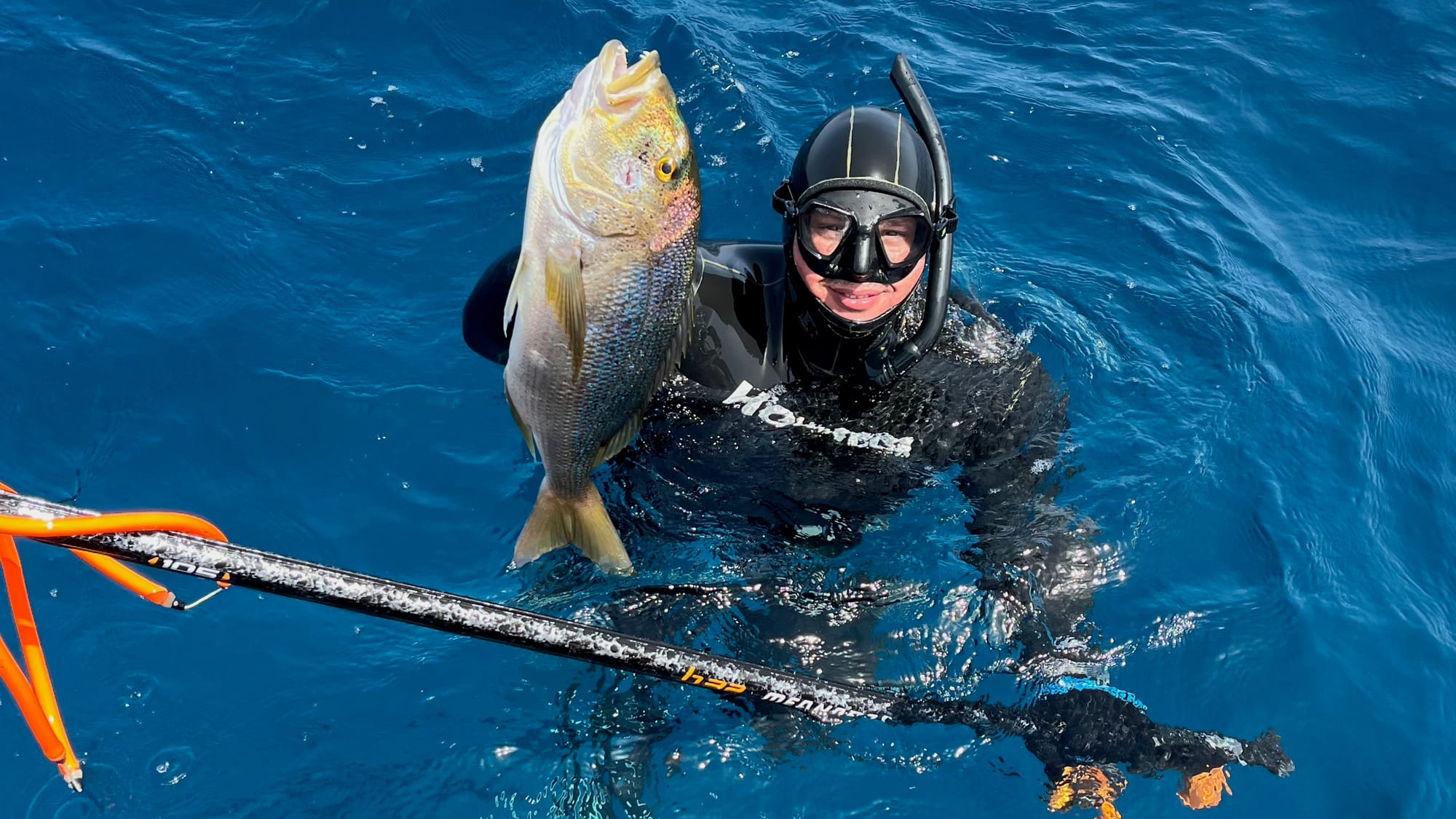
Il pesce più difficile? Sempre due anni fa, a luglio, a Trapani, al Banco San Giovanni. Ero all’aspetto e scorsi un gruppo di dentici. Mi feci passare un fucile lungo e m’immersi senza perdere tempo. Mi aspettavo che il banchetto mi sfilasse da ponente, invece me li ritrovai quasi alle spalle su un fondo di posidonia con un gradino pronunciato. In assetto da agguato, superai il gradino e mi rigirai verso di loro. Quasi in aperta sfida mi puntavano e si avvicinavano “minacciosi”. Sparai al più grosso che alla fine pesò 3 chili.
Un aneddoto? D’inverno 3 anni fa. Arrivai a Mondello la mattina presto. Parcheggiai l’auto davanti a un mare calmo e piatto. A pochi metri da riva vidi dei grossi tursiopi che ripresi col cellulare. L’acqua non era limpida, così concentrato su altro dimenticai i delfini. Il fondale lo conoscevo a memoria: sui 15 metri di fondo feci le mie solite planate su una roccia familiare. In planata vidi il foraggio schiacciato sul fondo, terrorizzato. Pensai a una ricciola e l’aspettai. Arrivarono invece i tursiopi, animali di oltre due metri. Si avvicinarono moltissimo girandomi attorno. A un certo punto e solo per qualche istante mi ritrovai a nuotare insieme a loro… che emozione. Di ritorno presi 7 pesci nel giro di un‘ora, saraghi e corvine.
Il tuo “mentore”? Non mi sono mai ispirato a qualcuno però, quando iniziai i miti erano Mazzarri e Riolo.
Una risposta a piacere? Un’esperienza? Beh, vale sicuramente la collaborazione con Lorenzo La Manna, mio attuale presidente (Ads I Love Pescasub). Nel 2013 lo affiancai nella sua idea di fare una fiera di pesca in apnea. Nacque così Medi show, a Palermo, due edizioni nel 2013 e 2014. Fu un grande successo e maturò in fretta la necessità di spostare la fiera al centro Italia. A Roma c’erano dei ragazzi che la facevano così nel 2015, organizzammo insieme Subinitaly. Molte aziende hanno esordito nei nostri stand arancioni e blu, finché Lorenzo Borri amministratore Omer ci propose a Dante Porta di Eudishow per unire le forze. Oggi, io sono il referente Apnea Village all’Eudi Show con Lorenzo La Manna.
Prossimi impegni? A fine ottobre sarò a Bar, in Montenegro, su richiesta di Tiziana Martinelli, commissario tecnico del team femminile di pescasub, per fare l’assistente di Elisa Corallo, durante il Campionato Euro-Africano di pescasub.
English version
Francesco Sacco
By Alberto Belfiori
Forty years old, outgoing, a biologist, bright and passionate. Francesco Sacco leads a dynamic private and professional life. Always active and ready to get involved, he is certainly someone we are going to hear a lot more about.
“Melo is my uncle, one of a close-knit group of veteran fishermen from Palermo, and he was the one who introduced underwater activities into our family. By the age of three I could already stay afloat in a swimming pool and, a few years later, when I was six or seven, I would wander around Mondello with my father looking for anything we could catch — mainly octopus and sea urchins.”
This is how Francesco Sacco answers the question of how he first became involved in spearfishing. The focal point of his fishing experiences — rod and line included — was initially Mondello and later Barcarello, today within the Capo Gallo–Isola delle Femmine Marine Protected Area, along the coast of the Capo Gallo Nature Reserve. His family still owns a house in both locations, mainly used during the summer months. For three months each year, these were the places Francesco returned to after his days at sea.
Finally, at the age of sixteen, the aspiring freediving hunter became the proud owner of his first speargun, a hard-earned purchase paid for with money saved from his daily snack allowance.
So, what changed?
“Well, once I had a speargun and a scooter, I suddenly felt independent. I could reach Addaura and, occasionally, in just under an hour I could even get as far as Aspra or Mongerbino, on the eastern edge of the Gulf of Palermo.”
What were you shooting at?
“Mostly white fish: seabream and the occasional gilthead seabream. That continued later too, after finishing school, when I was eighteen and started going out with my cousin, who was slightly older than me. We travelled by car to Terrasini, San Vito Lo Capo and Marsala, in the Trapani area.”
Which technique did you prefer?
“At first, I was mainly devoted to aspetto, waiting for fish to approach, although even then I was becoming increasingly curious about hole fishing and found it very rewarding. So it was seabream and gilthead seabream in summer, and European seabass in winter.”
Your first really important fish?
“Without a doubt, a seven-kilo European seabass. It was late August, during an afternoon dominated by the sirocco at Mondello. I was fishing over a very shallow rocky reef interspersed with sand and Posidonia, at around eight or nine metres.
“I would normally find large schools of seabream suspended in mid-water, which I targeted by waiting between the rocks and sand. That day I found them again, but they were much lower, almost pressed against the seabed.
“I dived and suddenly the school opened up, clearing the way for a seabass swimming straight towards me, almost aggressively. I waited and fired, killing it instantly. Things couldn't have gone any better. I gathered my gear and headed home more than satisfied — proud, I would say.”
What are the differences between the eastern and western areas?
“Terrasini and the Trapani area in general have quite different seabeds. Mondello, as I mentioned, is characterised by low rocky reef with extensive areas of Posidonia and sand. Terrasini, on the other hand, has a much more varied underwater landscape, with numerous rises and fissured limestone ridges.”
And competitive spearfishing?
“Competition is in my blood. When I was younger, I played water polo. Gianfranco Montanti, ‘Jimmy’, was my coach as well as an Apnea Academy instructor, and he encouraged me to take my first freediving certification, followed by the second and third levels. Later, with Igor Bisulli, I obtained my spearfishing certification.
“I went out fishing with him a few times and an entirely new world opened up to me — a sort of spearfishing 2.0 that also changed my approach to boating. Searching the reef and hole fishing fascinated me, partly because they became my gateway into competitive spearfishing. Brown meagre and grouper were therefore added to the white fish I normally targeted.
“At twenty-eight, in Avola, I competed in my first event. It was an incredible experience. I was in the water alongside some of the legends of spearfishing, starting with Nicola Riolo, who won the competition, as well as Igor Bisulli himself, Giovanni Mangano and Salvatore Natoli, just to name a few.
“I caught a small greater amberjack weighing almost one kilo and two seabream, finishing thirteenth out of twenty-eight competitors.
“Apart from the excitement, I immediately realised that competitions have to be carefully prepared. At the time, I was still relatively inexperienced in hole fishing and had little experience handling an underwater light. And back then, incandescent lamps consumed an incredible amount of power, so halfway through the competition my battery died.
“But I absorbed every word I heard during that experience and learned from what the other competitors were doing. I immediately bought an inflatable boat and began sharing my fishing trips with Lorenzo La Manna, owner of Apnea Store, a large and extremely well-stocked spearfishing shop in Palermo.
“With him I tried every kind of spearfishing, from shallow water down to depths of just over twenty metres. Seabream, groupers and the occasional dentex all ended up paying the price.”
When did the turning point come?
“If you can call it a turning point, I had something of a breakthrough during the 2015–2016 competitive season, with my first podium finishes, narrowly missing qualification. Then marriage and the arrival of my children kept me away from the sea and, consequently, away from competitive results. Then Covid came along…”
So, in 2021…
“That year I made it through the qualifying events and earned a place in the 2022 Second Division Championship at Mola di Bari. I finished fourteenth, which gave me a ticket to my first Italian Absolute Championship.
“Unfortunately, things didn't go as I had hoped. Bothered by a cold, I finished the competition without a single fish, but I had the opportunity to redeem myself the following year in the Second Division.
“So, in 2024, I put myself to the test again at Bonagia. It was late September and I handled two brown meagre extremely well, with Marco Muti alongside me.
“On the second day, again with Marco very close by, I lost a large brown meagre after hitting it. It was a careless mistake that really frustrated me, but I still finished ninth overall, thanks also to the support of Riccardo Emma, a talented young spearfisherman from Palermo who, at just twenty-two, finished eighth at the most recent Absolute Championship and is now De Mola's assistant.
“The following year, at the Absolute Championship in Gallipoli, I was accompanied by Francesco Drago, known as ‘Ciccio’, from Catania — a real character.
“I concentrated on deep-water fishing and prepared carefully because I had located a magical hole holding a white grouper and several large seabream. I decided to go for the big fish first. I shot it almost immediately, but it refused to come out. After three and a half hours of working at twenty-eight metres, I finally freed it: seven kilos.
“Unfortunately, adverse weather conditions meant that only one round could be held. I finished level on points with Simone Cappelletti: he was fifteenth and I was sixteenth. It was enough to keep me in the First Division.
“This year, in June, at Mazara del Vallo, I finished seventeenth. Unfortunately, the only round was held at Biscione, so I had to abandon all the fish I had marked during preparation in the Mazara competition area. Never mind — another season in the Second Division awaits me.”
Your biggest fish?
“Two years ago, on an offshore shoal near San Leone, Agrigento. The water there is normally murky, but when visibility is good, the shoal can be full of fish. That was exactly the case on that August day two years ago.
“I was fishing in current over a seabed of around twenty metres when I saw a fish slip beneath an overhang. I duck-dived and found myself facing a grouper beneath a slab of rock. I fired and killed it instantly. It weighed fifteen kilos.”
And the most difficult fish?
“Again two years ago, in July, at Banco San Giovanni near Trapani. I was waiting on the bottom when I spotted a group of dentex. I had someone pass me a longer speargun and dived immediately.
“I expected the school to pass from the west, but instead I found them almost behind me over a Posidonia seabed with a pronounced ledge. Moving in ambush mode, I crossed the ledge and turned back towards them.
“They were facing me and coming closer, almost as if challenging me. I fired at the biggest one. It eventually weighed three kilos.”
Any memorable stories?
“One happened in winter three years ago. I arrived at Mondello early in the morning and parked the car in front of a perfectly calm, flat sea. Just a few metres offshore I saw several large bottlenose dolphins and filmed them with my phone.
“The water wasn't particularly clear and, once I started concentrating on other things, I completely forgot about the dolphins. I knew the seabed by heart. At around fifteen metres, I made my usual glides towards a familiar rock.
“While descending, I noticed the baitfish pressed tightly against the bottom, terrified. I thought a greater amberjack might be nearby, so I waited.
“Instead, the bottlenose dolphins appeared — animals more than two metres long. They came incredibly close and began swimming around me. For a few moments, I actually found myself swimming alongside them… what an incredible feeling.
“On the way back, I caught seven fish in about an hour, mainly seabream and brown meagre.”
Who was your mentor?
“I've never really modelled myself on anyone in particular, but when I started, Mazzarri and Riolo were the legends.”
Anything else you'd like to talk about? Perhaps an experience that particularly stands out?
“Well, my collaboration with Lorenzo La Manna, who is now my president at ASD I Love Pescasub, certainly deserves a mention.
“In 2013 I joined him in pursuing his idea of organising a spearfishing exhibition. That was how Medi Show was born in Palermo, with two editions held in 2013 and 2014. It was a great success, and we soon realised that the exhibition needed to move to central Italy.
“There were already some people in Rome working along similar lines, so in 2015 we joined forces and organised Subinitaly. Many companies made their debut at our orange-and-blue stands, until Lorenzo Borri, Omer's managing director, introduced us to Dante Porta of Eudishow and suggested joining forces.
“Today, Lorenzo La Manna and I are responsible for Apnea Village at the Eudi Show.”
What are your next commitments?
“At the end of October I'll be in Bar, Montenegro, at the request of Tiziana Martinelli, technical commissioner of the women's national spearfishing team. I'll be working as Elisa Corallo's assistant during the Euro-African Spearfishing Championship.”

Commenti ()