
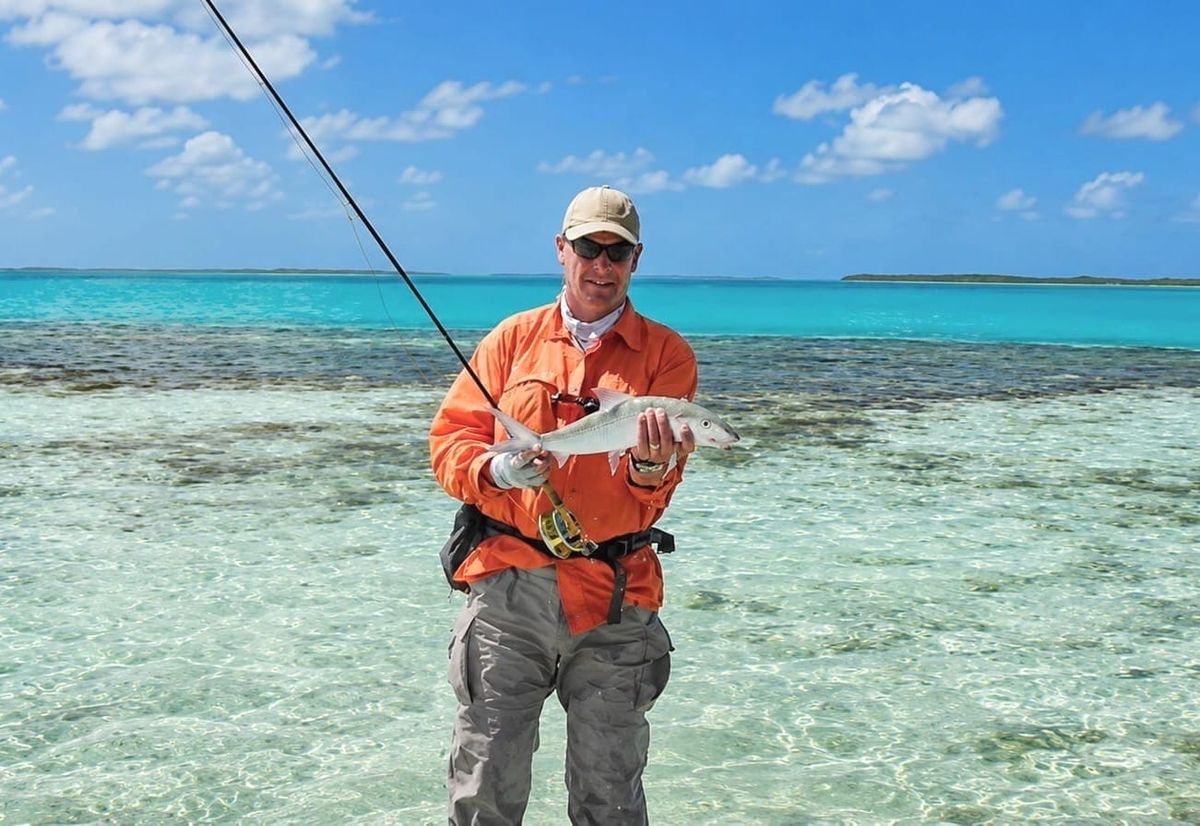
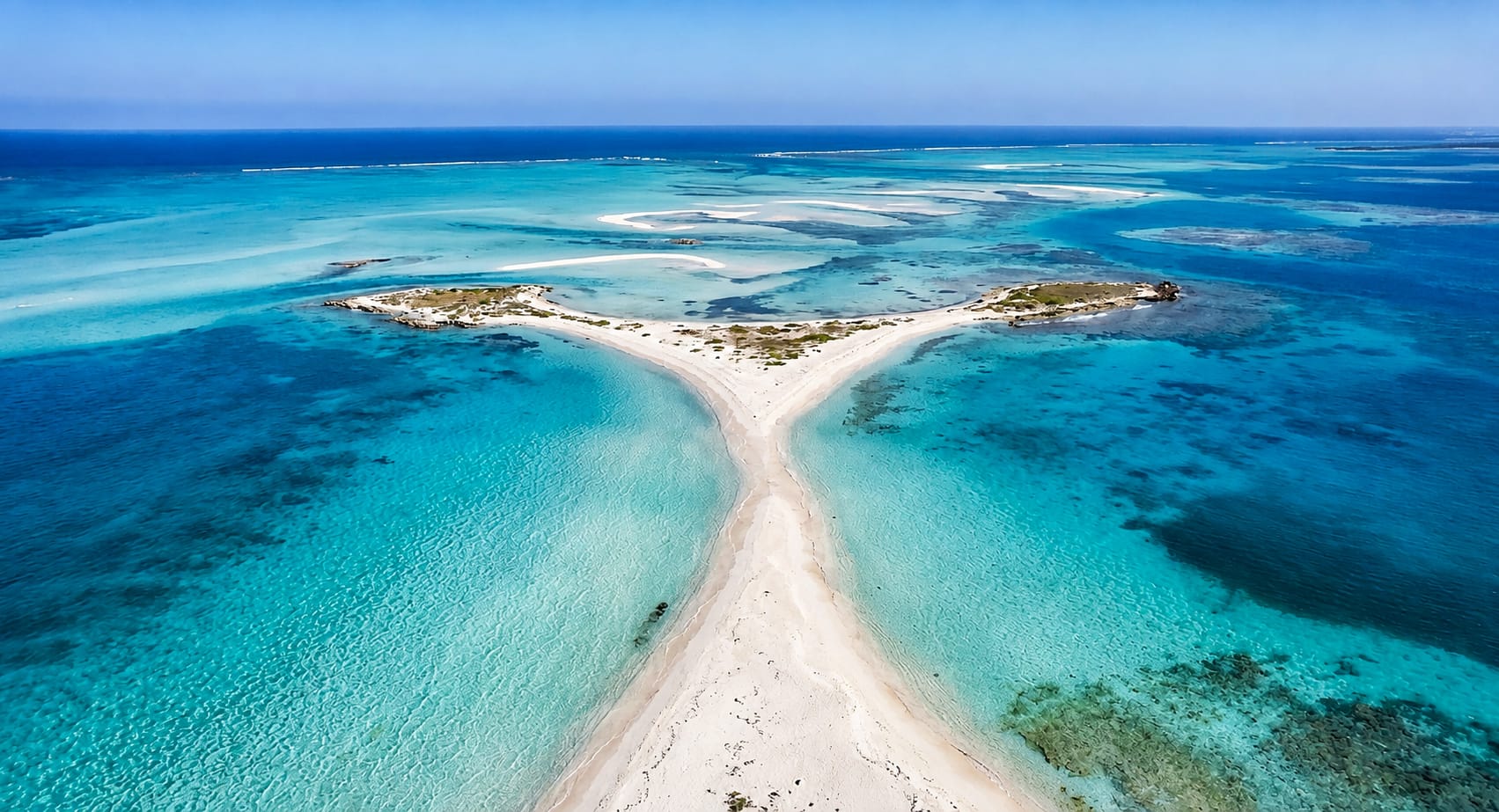
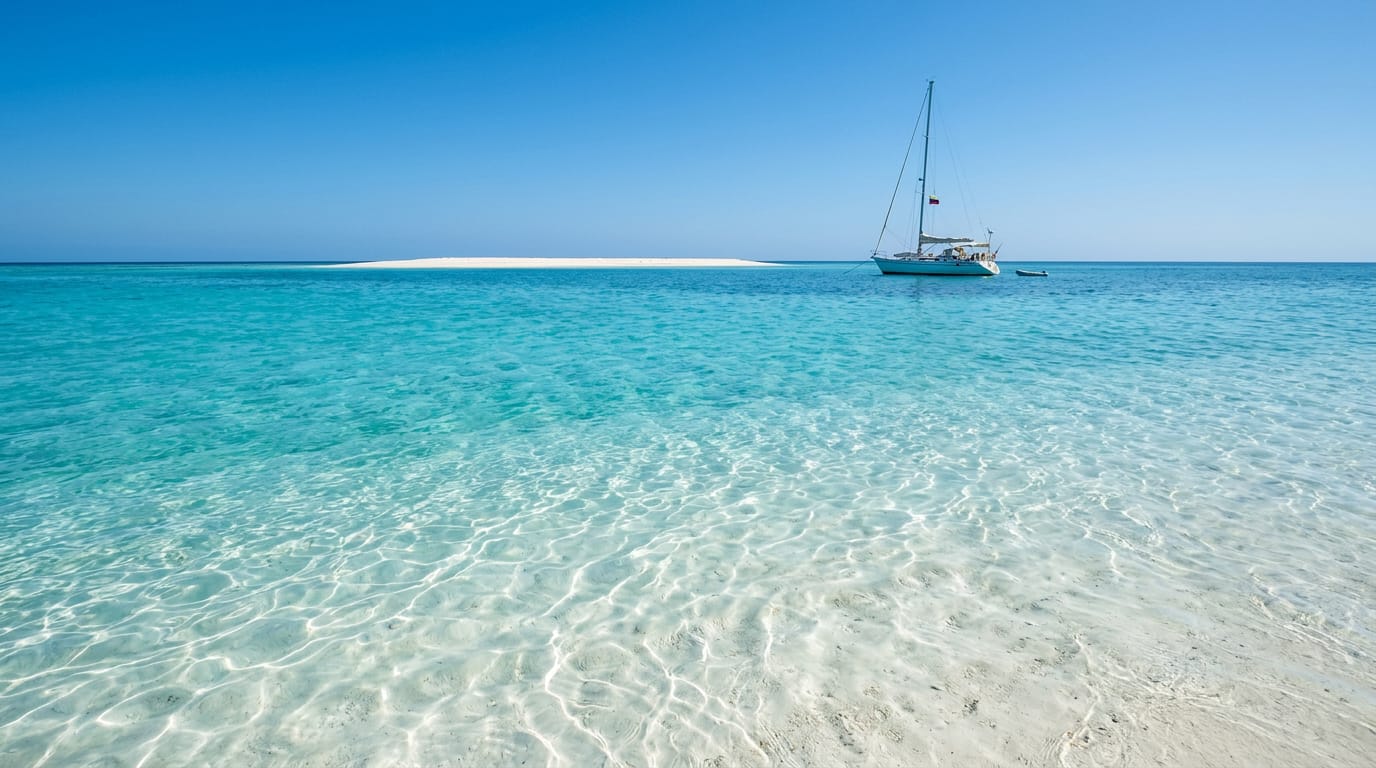
Le acque basse e cristalline delle flats di Los Roques e i pesci che popolano i pancake, sono il paradiso del sight fishing, in particolare della pesca a mosca e dello spinning.
di Mario Curridori - Los Roques non è una meta per chi cerca solo acque cristalline da cartolina. È un arcipelago dove il sight fishing raggiunge un livello che poche altre flats al mondo offrono, con banchi di bonefish che si muovono su fondali bianchi come fossero proiettati su uno schermo. Per un pescatore a mosca italiano abituato a torrenti e laghi alpini, il salto verso il saltwater tropicale richiede un cambio di mentalità. Qui non si pesca alla cieca: si legge l'acqua, si individua il pesce, si calcola l'angolo di lancio prima ancora di sfilare la coda dal mulinello. La pesca a mosca a Los Roques si gioca tutta sulla capacità di vedere il pesce prima che il pesce veda te, e su una gestione precisa di luce, vento e marea. Le acque cristalline dell'arcipelago venezuelano, protetto perché parco nazionale, permettono avvistamenti a distanza altrove impensabili. Ma la trasparenza è anche un'arma a doppio taglio: ogni movimento sbagliato si paga con la fuga dei pesci. Il resto del gioco lo fanno le spiagge di sabbia bianca e i canali di marea, che concentrano bonefish (macabi localmente), permit e tarpon in punti prevedibili, se sai dove guardare.
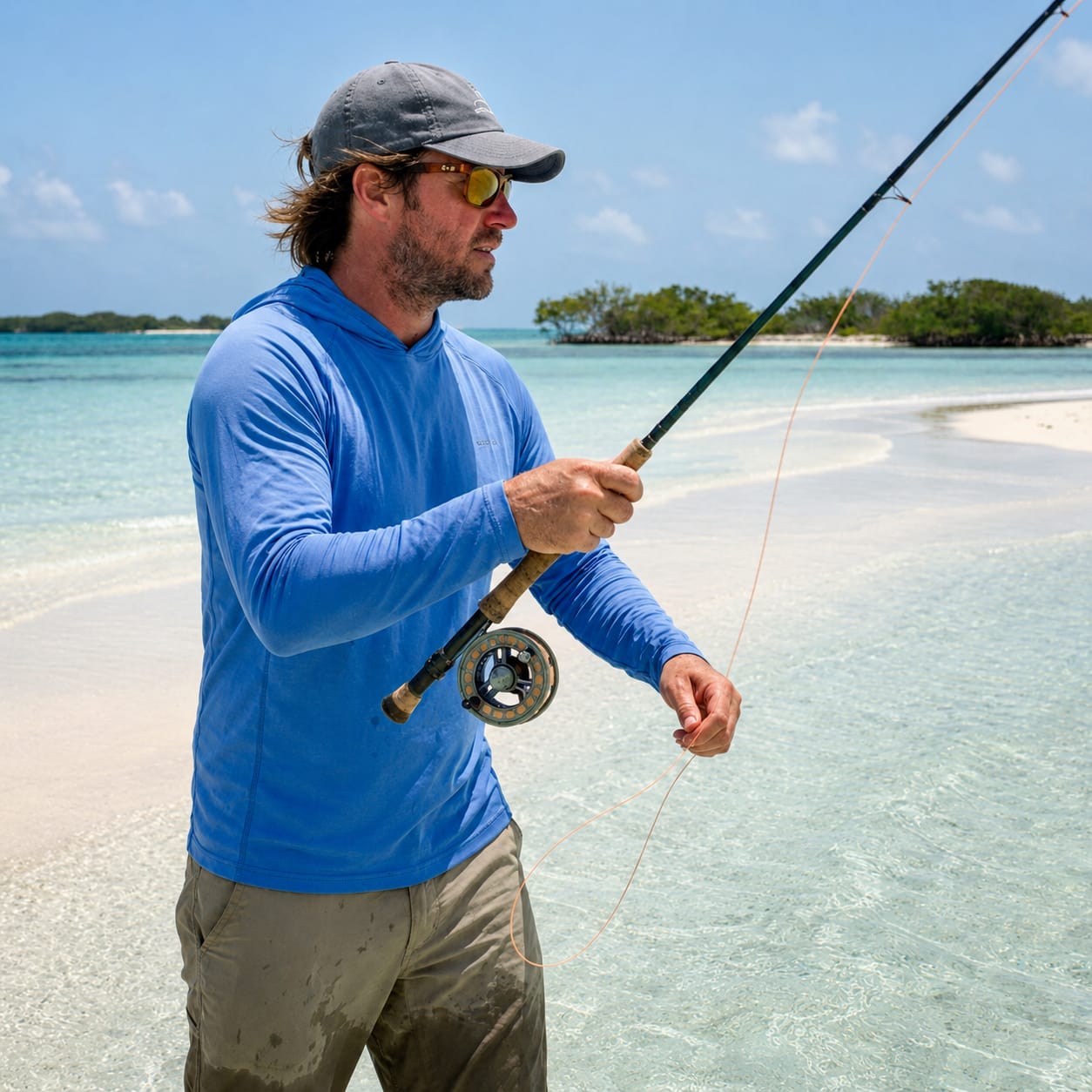
Punti Chiave - La pesca a vista sui pancake flats di Los Roques richiede circospezione, lettura della luce e del vento, e lanci precisi su bersagli in movimento. L'assetto tecnico giusto, tra canne da 8 a 10 piedi e mosche specifiche, fa la differenza tra un avvistamento sprecato e una cattura solida. Organizzare il viaggio dall'Italia via Caracas, nella stagione giusta e con una guida locale esperta, aumenta concretamente le probabilità di successo.
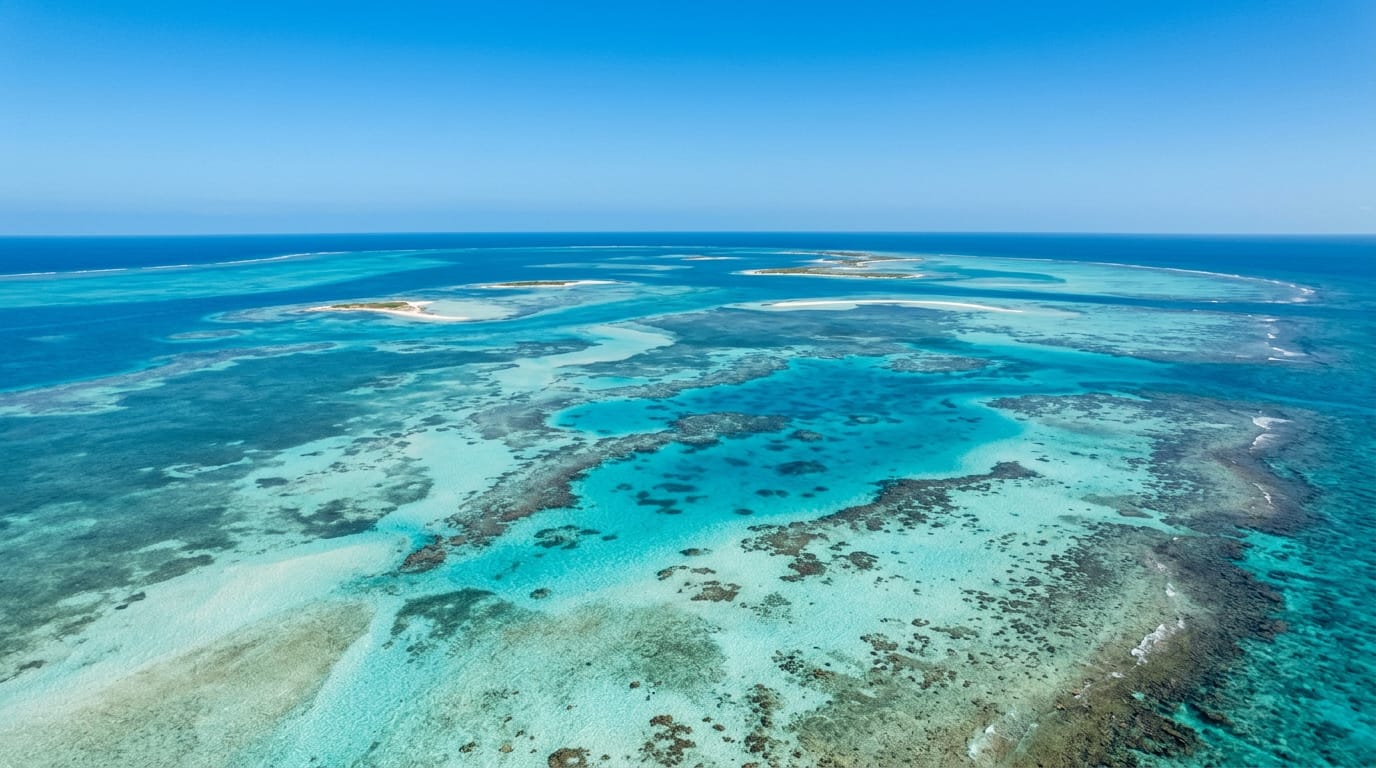
Pancake flats e sight fishing - I pancake flats di Los Roques sono distese piatte e poco profonde, spesso a fondo sabbioso puro, dove bonefish o macabi si muovono in banchi visibili a decine di metri di distanza. Su questi fondali la caccia è essenzialmente visiva: si scruta la superficie, si interpretano le ombre, si aspetta il momento giusto per il lancio, con permit, palometa e sábalo che aggiungono variabili diverse a seconda della zona e della marea.
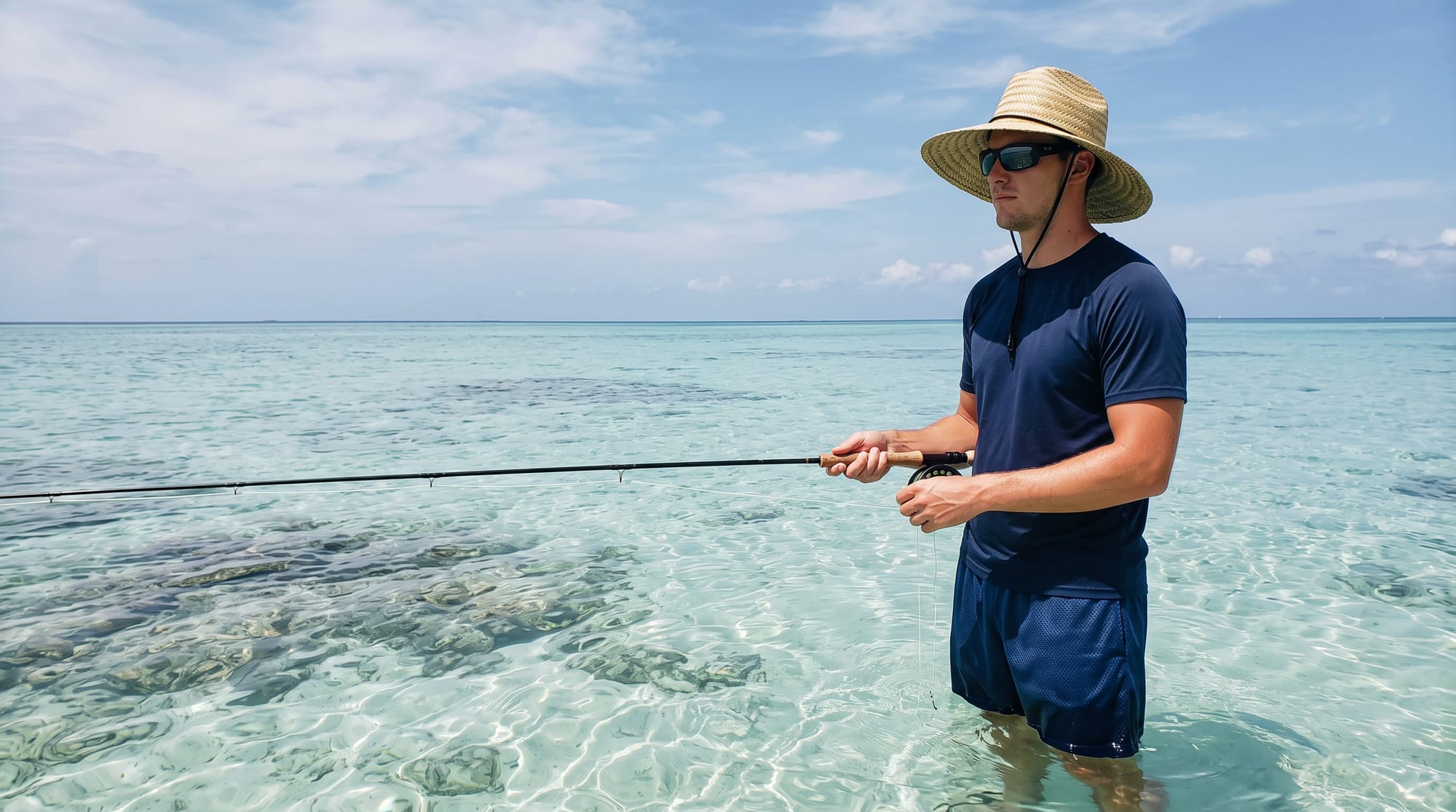
Circospezione - Il rumore e le onde d'urto nell'acqua sono il primo nemico su queste flats bassi. Un passo pesante o uno spruzzo improvviso mette in fuga un intero banco di bonefish in pochi secondi. Muoversi lentamente, con movimenti fluidi e mai bruschi, resta la regola base. Anche l'ombra della canna o del corpo, se proiettata sull'acqua, può bastare a far sparire i pesci.
Luce e vento - La luce ideale per il sight fishing è quella laterale o alle spalle, che riduce i riflessi e fa risaltare le sagome scure sul fondo chiaro. Nelle ore centrali della giornata, con il sole alto, l'avvistamento diventa più semplice ma il caldo mette a dura prova la concentrazione. Il vento va gestito, non subìto: un vento laterale o leggermente contrario aiuta a distendere meglio la lenza durante il lancio verso il bersaglio.
Maree - La marea muove i pesci sulle flats in modo prevedibile. Con l'acqua che sale, bonefish (o macabì) risalgono sui pancake flats per nutrirsi; con la bassa marea si ritirano verso i canali più profondi. Conoscere l'orario delle maree permette di pianificare la giornata di pesca, concentrando gli sforzi nelle fasi di transizione, quando l'attività di alimentazione è più intensa.
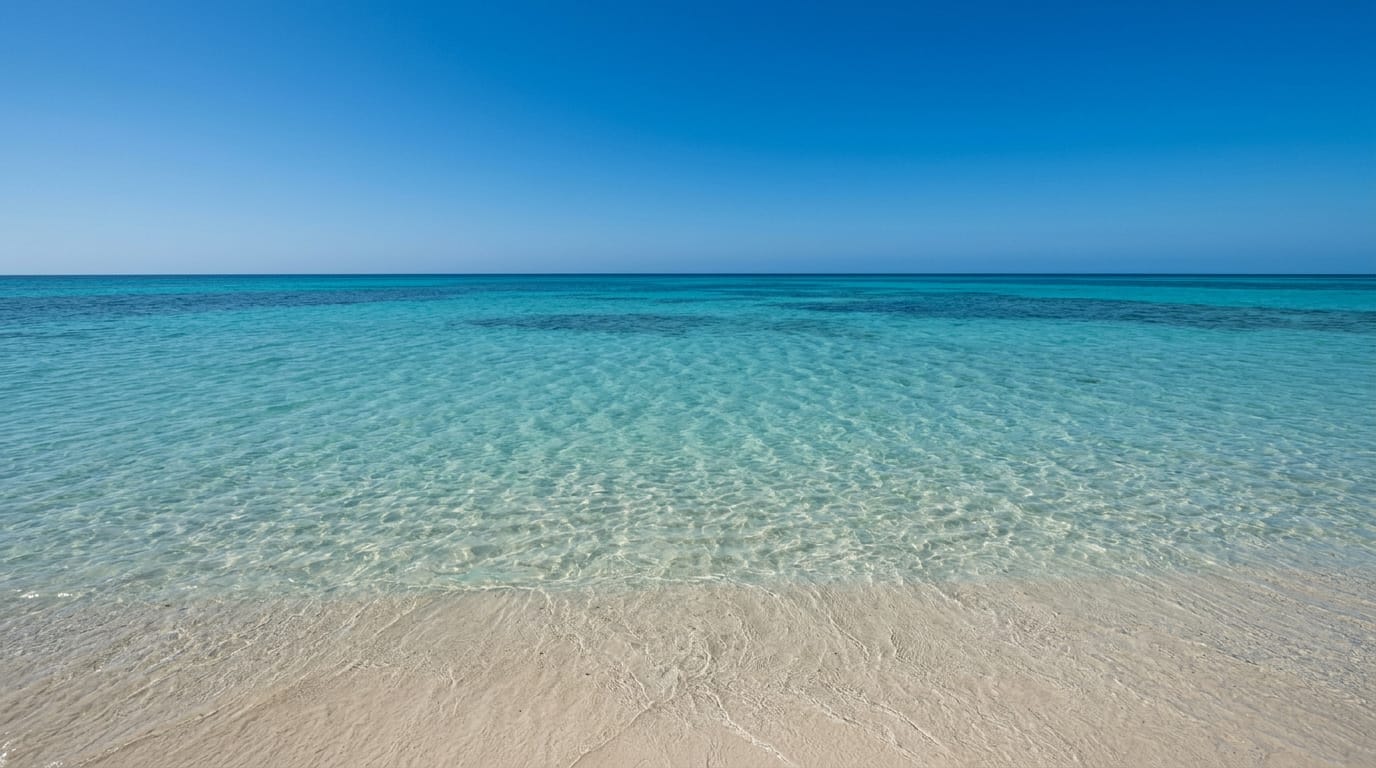
Fondale e posizionamento - Il tipo di fondale cambia il comportamento del pesce e la strategia di lancio. Su sabbia bianca pura, i bonefish si vedono da lontano; su fondali misti con erba o coralli, l'avvistamento richiede più esperienza. Il posizionamento rispetto al pesce è cruciale: lanciare troppo vicino spaventa il banco, lanciare troppo lontano non porta la mosca nella zona di alimentazione.
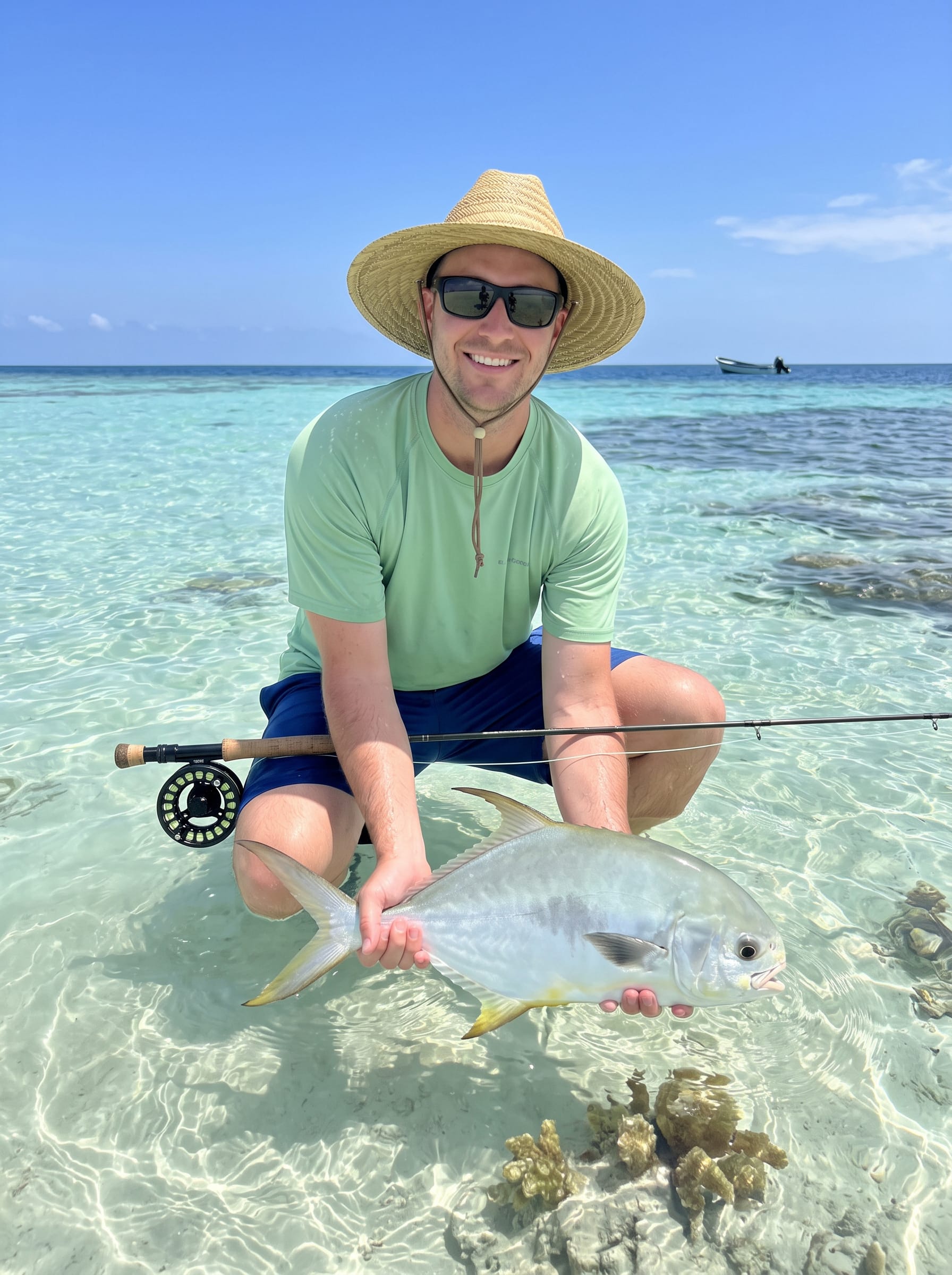
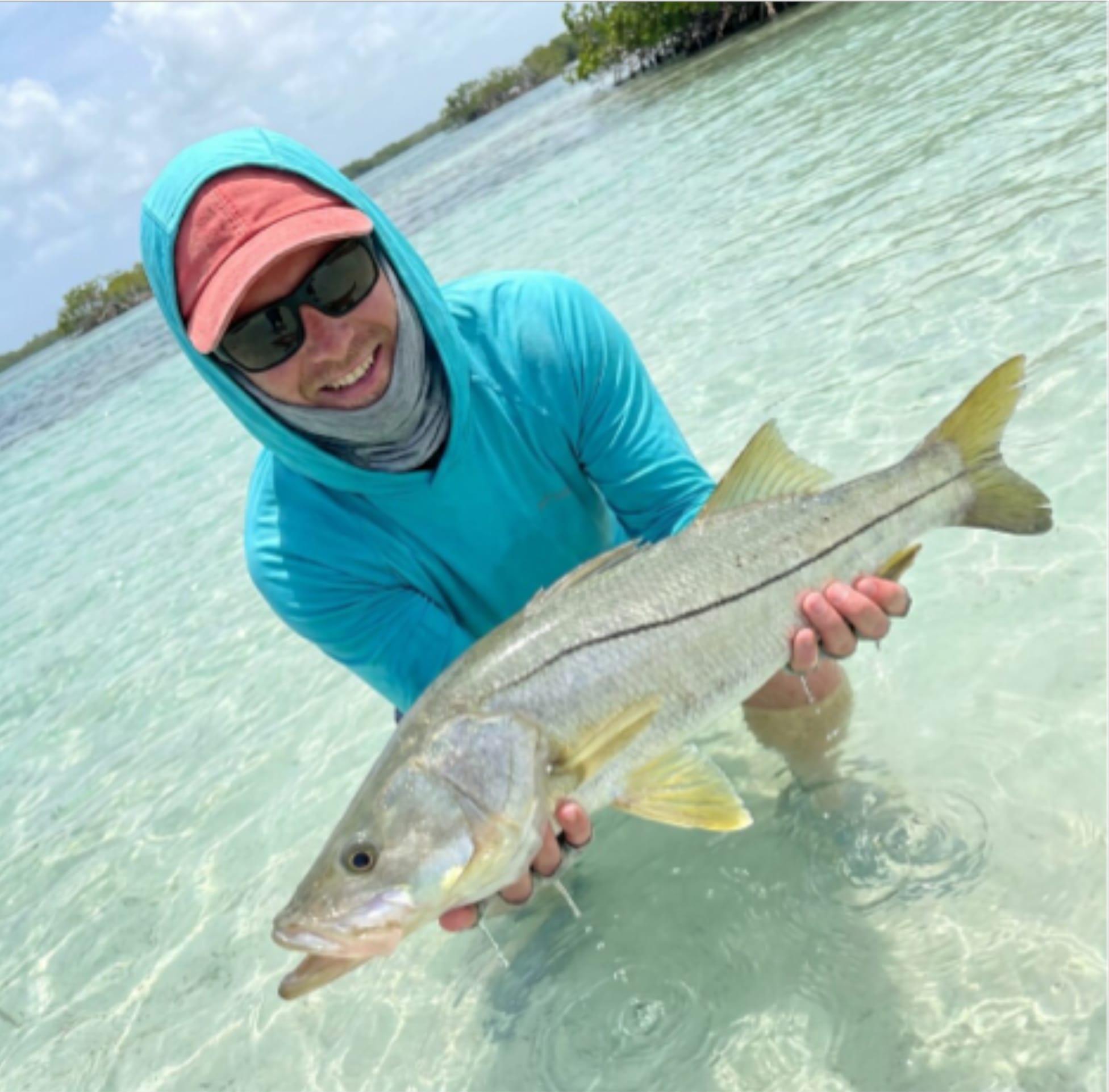
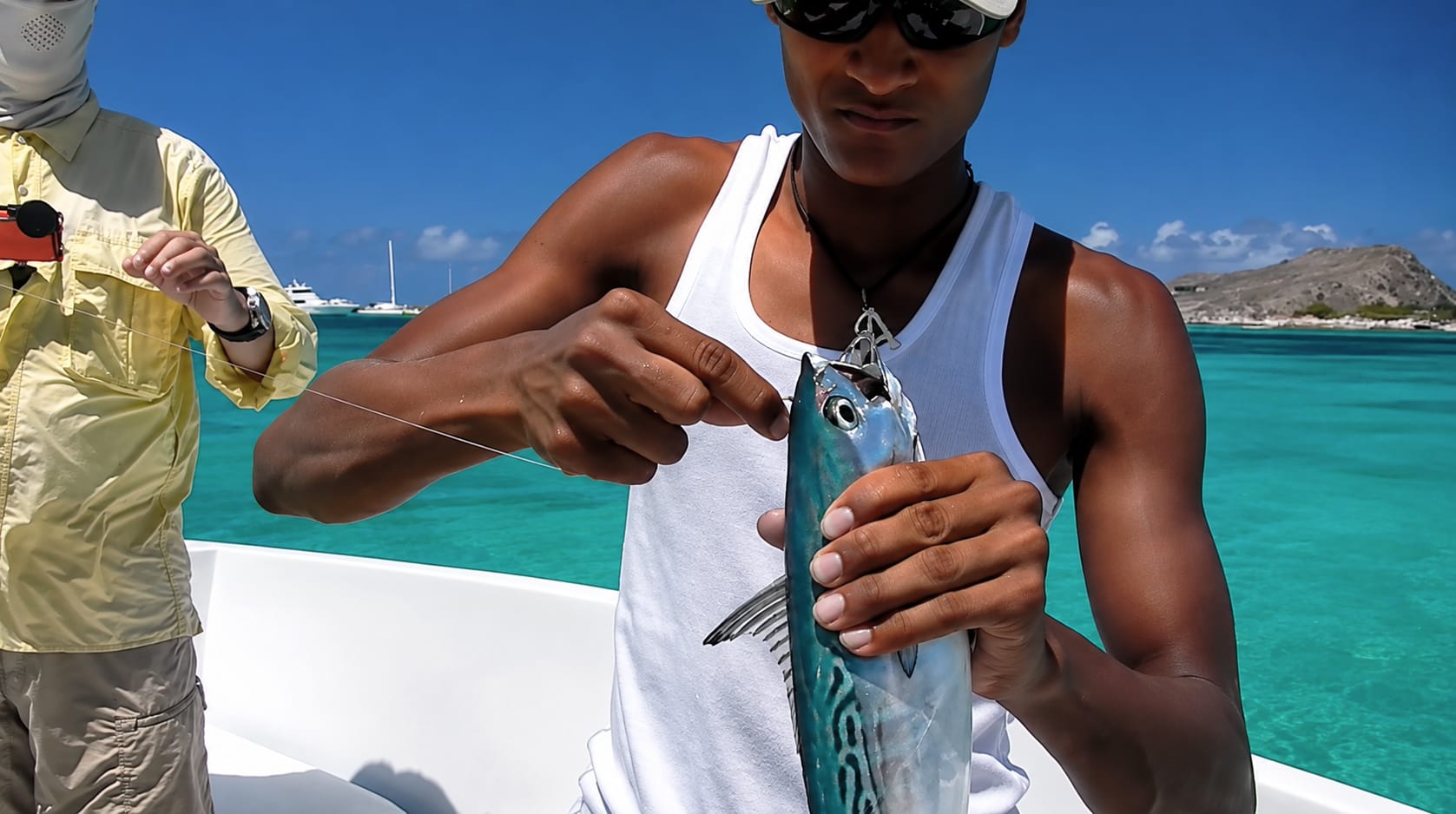
L’approccio - Il macabí, ovvero il bonefish di casa, richiede un recupero lento e regolare, con piccole pause che imitano una preda ferita. La palometa, più nervosa e veloce, spesso richiede lanci rapidi e precisi su avvistamenti fugaci. Il sábalo, ovvero il tarpon locale, si comporta diversamente: cerca mosche più grandi, presentate con un angolo che intercetti la sua traiettoria di nuoto senza intersecarla frontalmente.
Assetto e mosche - L'attrezzatura per Los Roques deve reggere sole, salsedine, e le fughe potenti dei barracuda, jacks, carite e meri, oltre alle specie da flats. Canne, mulinelli, terminali e mosche vanno scelti pensando alla resistenza più che alla finezza tipica dell'acqua dolce.
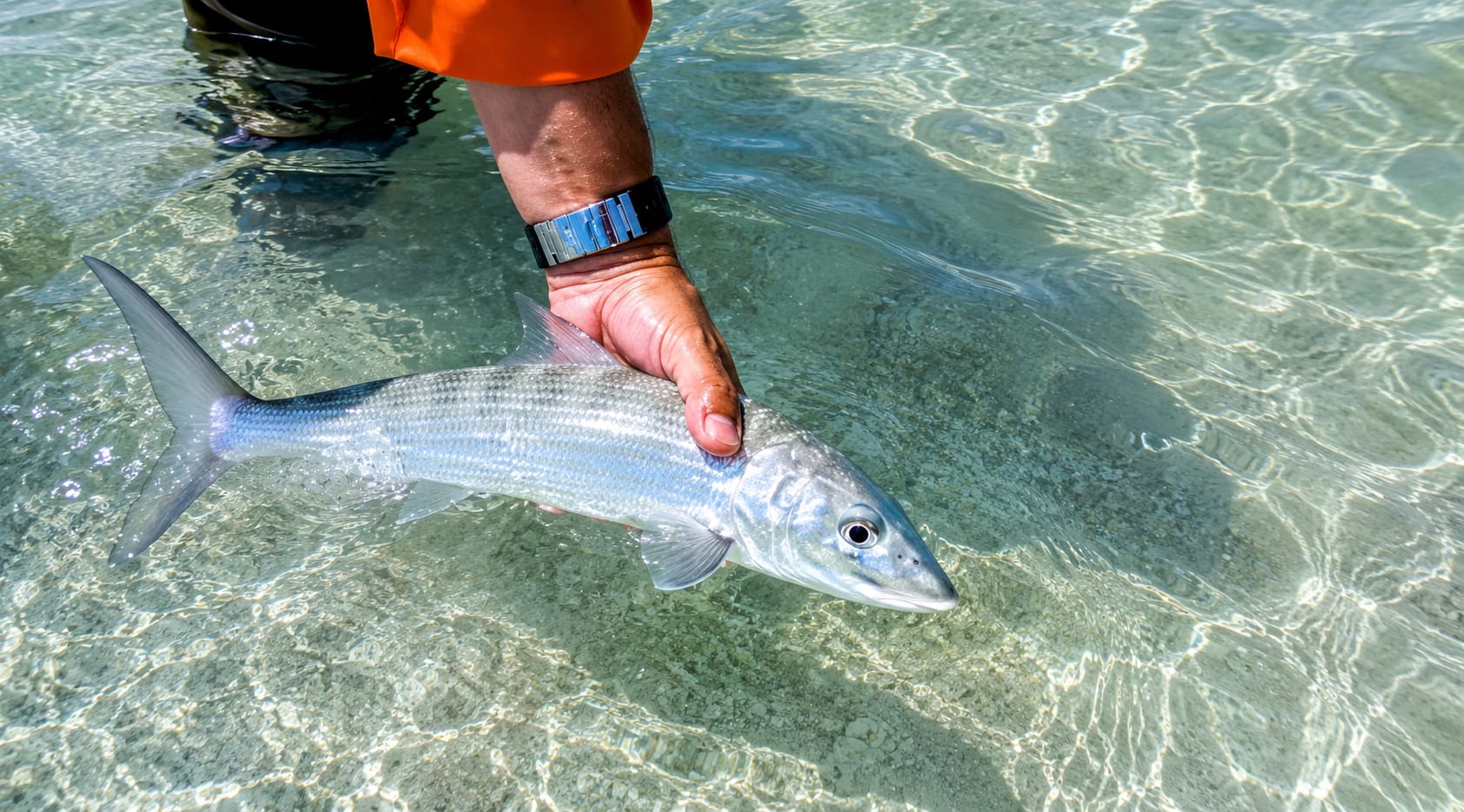
Canne, mulinelli e code tropicali - Per il bonefish una canna da 7-8’ è sufficiente quasi sempre. Per permit, tarpon di taglia media e predatori come barracuda, una 9-10 o addirittura una 10-11 dà il controllo necessario per gestire fughe lunghe e potenti. I mulinelli devono avere freni affidabili e resistere alla corrosione salina, con almeno 200 metri di backing. Le code tropicali galleggianti, progettate per resistere al calore senza perdere rigidità, sono lo standard su queste flats.
Terminali, fluorocarbon e ami - Il fluorocarbon è la scelta obbligata per i terminali, grazie alla sua bassa visibilità in acque co-sì trasparenti. Per il bonefish bastano spezzoni da 10-12 libbre; per permit conviene salire leggermente, mentre per il barracuda serve uno spezzone in acciaio o titanio contro i denti taglienti. Gli ami devono essere in acciaio inox di qualità, resistenti alla corrosione e affilati costantemente durante la giornata di pesca.
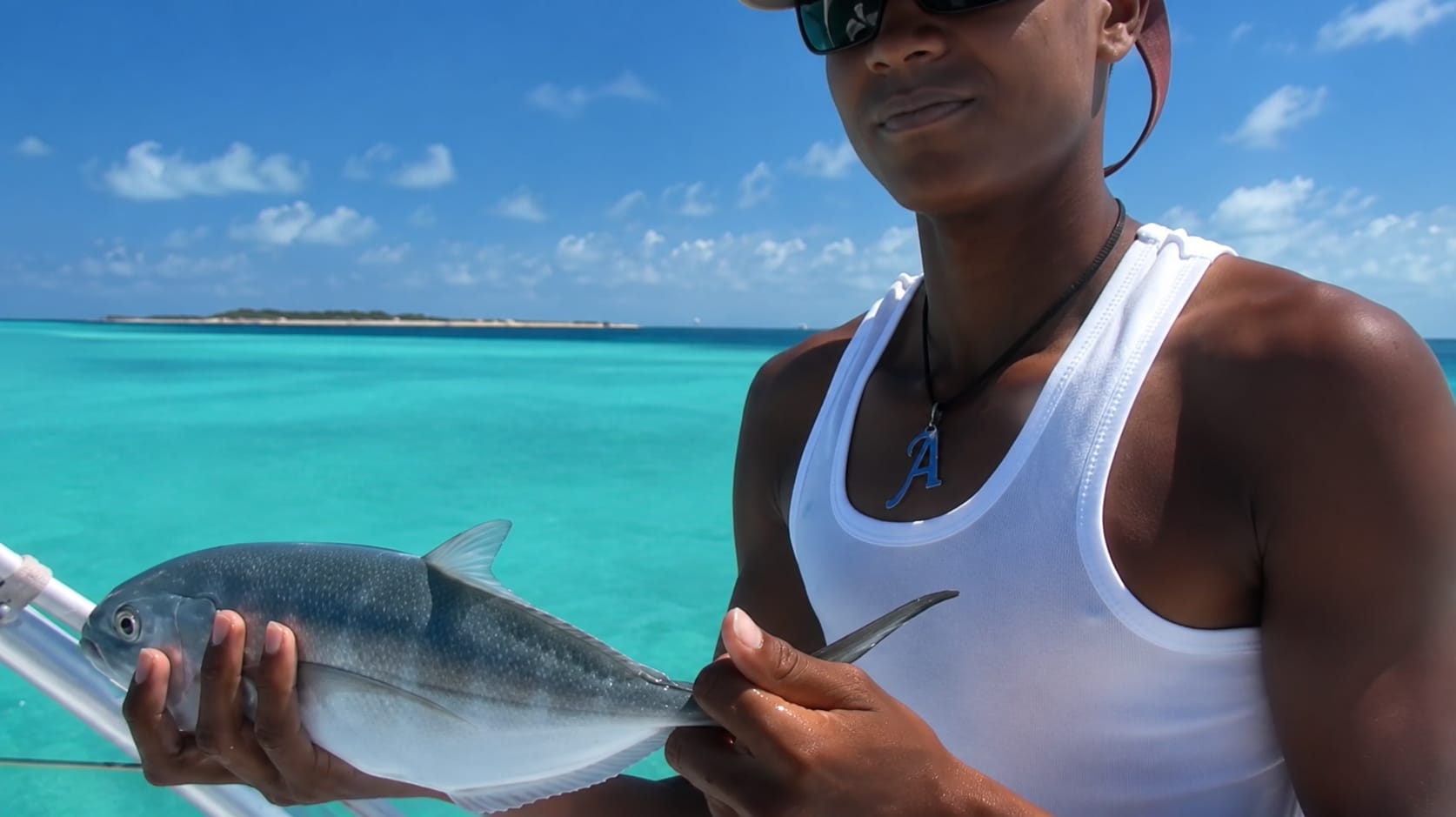
Mosche - Le mosche più efficaci variano per specie e colore del fondale.
Bonefish: pattern leggeri color sabbia o rosa chiaro, tipo Gotcha o Crazy Charlie, con occhi piccoli per un affondamento lento.
Permit (palometa): crab pattern e mosche che imitano piccoli granchi, presentate con affondamento rapido davanti al pesce.
Tarpon (sábalo): streamer più grandi, spesso neri o arancioni, montati su ami robusti da saltwater.
Barracuda e jacks: mosche vistose, riflettenti, con movimento accentuato per stimolare l'attacco predatorio.
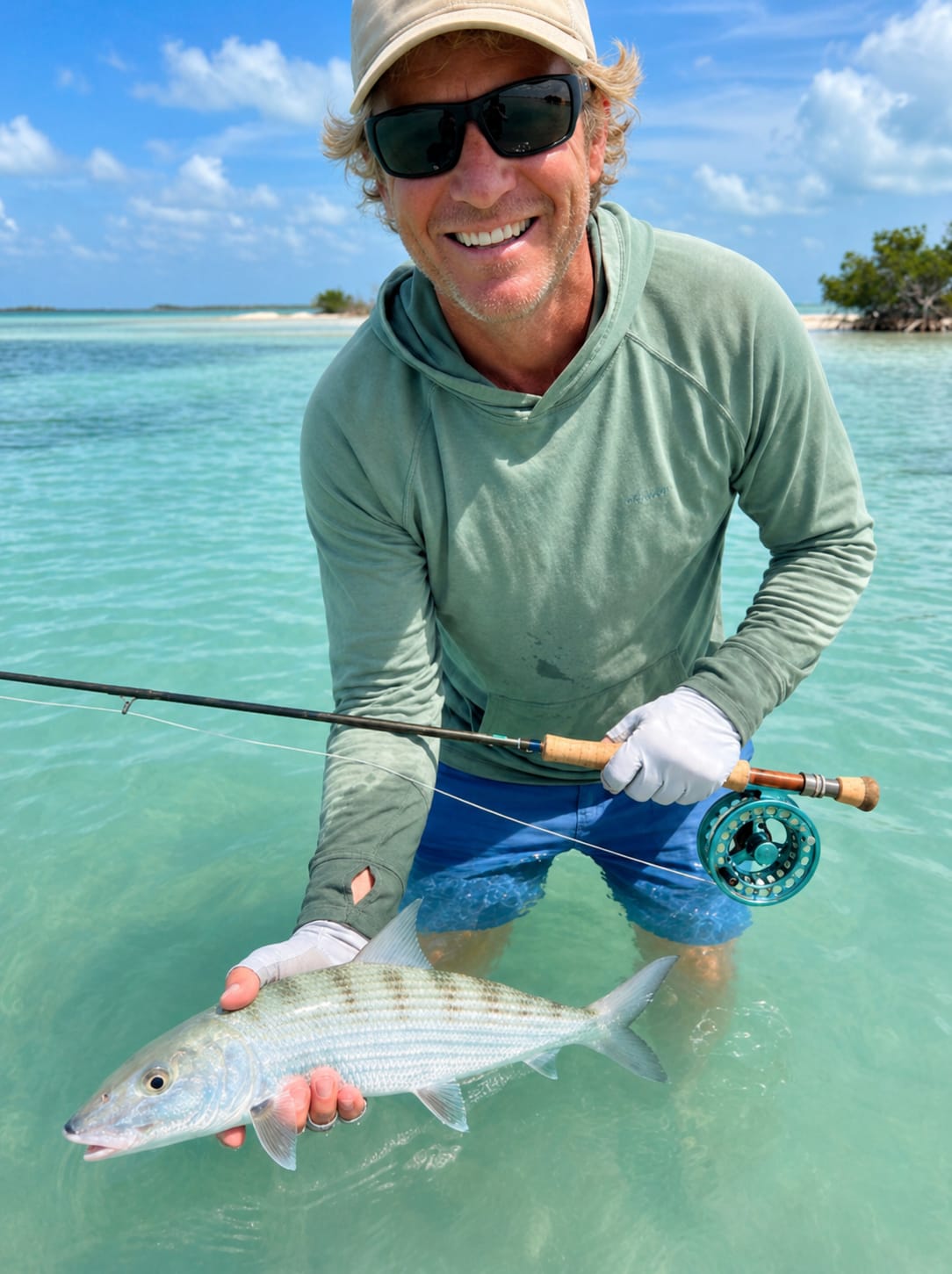
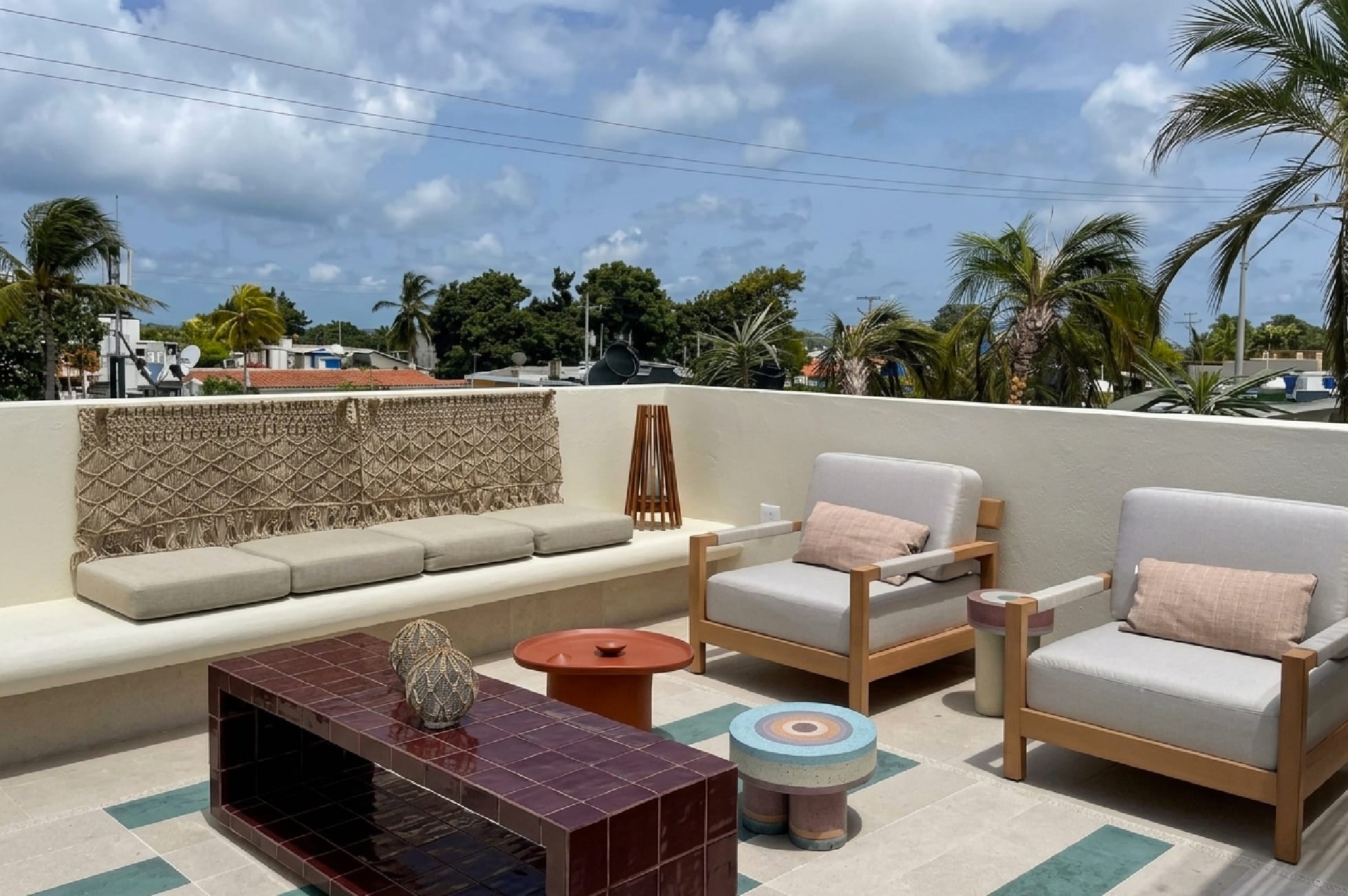
Organizzare il viaggio - Raggiungere Los Roques dall'Italia richiede un volo intercontinentale fino a Caracas, seguito da un breve collegamento aereo verso Gran Roque, porta d'ingresso dell'arcipelago. Da lì, gli spostamenti verso le flats di pesca avvengono in barca, spesso a vela o con piccoli natanti guidati da personale esperto del posto. La stagione più indicata per la pesca a mosca va da febbraio a ottobre, con condizioni di vento e luce generalmente più stabili. I mesi centrali offrono spesso le giornate più calme, ideali per il sight fishing sui pancake flats. Il clima caraibico resta caldo tutto l'anno ma vento e nuvolosità possono cambiare rapidamente le condizioni di pesca da un giorno all'altro. Il collegamento verso Gran Roque avviene con voli interni dedicati, gestiti da diverse compagnie locali. L'isola di Gran Roque ospita la maggior parte delle posadas e funge da base logistica per le uscite giornaliere in barca verso le flats.
Un soggiorno tipico prevede una settimana, con più giornate di pesca alternate a momenti di riposo tra le spiagge di sabbia bianca. Los Roques è un parco nazionale, quindi l'accesso richiede un permesso specifico, generalmente incluso nei pacchetti organizzati dagli operatori locali. La sicurezza sull'acqua dipende molto dall'esperienza della guida e dalla qualità dell'im- barcazione utilizzata. Affidarsi a una guida pesca Los Roques, con esperienza concreta sui pancake flats, fa una differenza reale nei risultati di pesca. Operatori come Los Roques Travel offrono supporto logistico completo, dalla prenotazione della posada al coordinamento delle uscite in barca con guide specializzate in fly fishing.
English version
The shallow, crystalline waters of the Los Roques flats and the fish that populate the pancakes are a sight fishing paradise, particularly for fly fishing and spinning.
Los Roques isn't a destination for those seeking simply picture-perfect crystalline waters. It's an archipelago where sight fishing reaches a level few other flats in the world offer, with schools of bonefish moving across white seabeds as if projected on a screen. For an Italian fly fisherman accustomed to alpine streams and lakes, the leap to tropical saltwater requires a change of mindset. Here, you don't fish blindly: you read the water, locate the fish, and calculate the casting angle before even unwinding your line from the reel. Fly fishing in Los Roques is all about the ability to see the fish before they see you, and on precise management of light, wind, and tide. The crystalline waters of the Venezuelan archipelago, protected as a national park, allow for distant sightings unthinkable elsewhere. But transparency is also a double-edged sword: every wrong move results in the fish fleeing. The rest of the action is played by the white-sand beaches and tidal channels, which concentrate bonefish (locally macabi), permit, and tarpon in predictable spots, if you know where to look.
Key points - Sight fishing on the pancake flats of Los Roques requires caution, reading the light and wind, and precise casts to moving targets. The right technique, including 8- to 10-foot rods and specific flies, makes the difference between a missed sighting and a solid catch. Organizing your trip from Italy via Caracas, during the right season and with an expert local guide, significantly increases your chances of success.
Pancake Flats and Sight Fishing - The pancake flats of Los Roques are flat, shallow expanses, often with pure sandy bottoms, where bonefish or macabi move in schools visible from dozens of meters away. On these bottoms, hunting is essentially visual: you scan the surface, interpret the shadows, and wait for the right moment to cast, with permit, palometa, and sábalo adding different variables depending on the area and the tide.
Caution - Noise and shock waves in the water are the first enemy on these shallow flats. A heavy step or a sudden splash can scare off an entire school of bonefish in seconds. Moving slowly, with fluid, never abrupt movements, remains the basic rule. Even the shadow of your rod or body, cast on the water, can be enough to scare the fish away.
Light and Wind - The ideal light for sight fishing is from the side or behind, which reduces glare and highlights dark silhouettes against a light background. During the central hours of the day, with the sun high, sighting becomes easier, but the heat challenges concentration. Wind must be managed, not endured: a side or slightly headwind helps to stretch the line more effectively when casting toward the target.
Tides - The tide moves fish on the flats in a predictable way. With rising water, bonefish (or macabì) ascend the pancake flats to feed; at low tide, they retreat to deeper channels. Knowing the tide schedule allows you to plan your fishing day, focusing your efforts on the transitional phases, when feeding activity is most intense.
Bottom and positioning - The type of bottom affects the fish's behavior and casting strategy. On pure white sand, bonefish can be seen from afar; On mixed bottoms with grass or coral, spotting requires more experience. Positioning relative to the fish is crucial: casting too close scares the school, while casting too far won't bring the fly into the feeding zone.
The Approach - The macabí, or local bonefish, requires a slow, steady retrieve, with short pauses that mimic wounded prey. The palometa, more nervous and fast, often requires quick, precise casts on fleeting sightings. The sábalo, or local tarpon, behaves differently: it seeks larger flies, presented at an angle that intercepts its swimming path without crossing it head-on.
Set-up and Flies - Tackle for Los Roques must withstand the sun, saltwater, and the powerful runs of barracuda, jacks, carps, and meres, as well as flats species. Rods, reels, leaders, and flies should be chosen with strength in mind rather than the finesse typical of freshwater.
Rods, reels, and tropical lines - For bonefish, a 7-8' rod is almost always sufficient. For permit, medium-sized tarpon, and predators like barracuda, a 9-10 or even a 10-11' provides the control needed to manage long, powerful runs. Reels must have reliable brakes and resist saltwater corrosion, with at least 200 meters of backing. Floating tropical lines, designed to withstand heat without losing rigidity, are standard on these flats.
Leaders, fluorocarbon, and hooks - Fluorocarbon is the obvious choice for leaders, due to its low visibility in such clear water. For bonefish, 10-12 pound sections are sufficient; for permit, it's best to go slightly higher, while for barracuda, a steel or titanium section is needed to protect against the sharp teeth. Hooks should be made of high-quality stainless steel, corrosion-resistant, and kept sharp throughout the day.
Flies - The most effective flies vary by species and bottom color.
Bonefish: Light, sand-colored or light pink patterns, such as Gotcha or Crazy Charlie, with small eyes for slow-sinking action.
Permit (palometa): Crab patterns and flies that imitate small crabs, presented with rapid sinking motion in front of the fish.
Tarpon (sábalo): Larger streamers, often black or orange, mounted on sturdy saltwater hooks.
Barracuda and jacks: Flashy, reflective flies with a pronounced movement to stimulate predatory attack.
Plan your trip - Reaching Los Roques from Italy requires an intercontinental flight to Caracas, followed by a short flight to Gran Roque, the gateway to the archipelago. From there, travel to the fishing flats is by boat, often sailboats or small vessels, guided by experienced locals. The best season for fly fishing is from February to October, with generally more stable wind and light conditions. The central months often offer calmer days, ideal for sight fishing on the pancake flats. The Caribbean climate remains warm year-round, but wind and cloud cover can rapidly change fishing conditions from one day to the next. Connection to Gran Roque is via dedicated domestic flights, operated by several local airlines. Gran Roque Island is home to most of the posadas and serves as a logistical base for day trips by boat to the flats.
A typical stay lasts a week, with several days of fishing alternating with moments of relaxation on the white-sand beaches. Los Roques is a national park, so access requires a specific permit, generally included in packages organized by local operators. Safety on the water depends greatly on the guide's experience and the quality of the vessel used. Hiring a Los Roques fishing guide with real experience on the pancake flats makes a real difference in your fishing results. Operators like Los Roques Travel offer complete logistical support, from booking the posada to coordinating boat trips with specialized fly fishing guides.
Commenti ()