
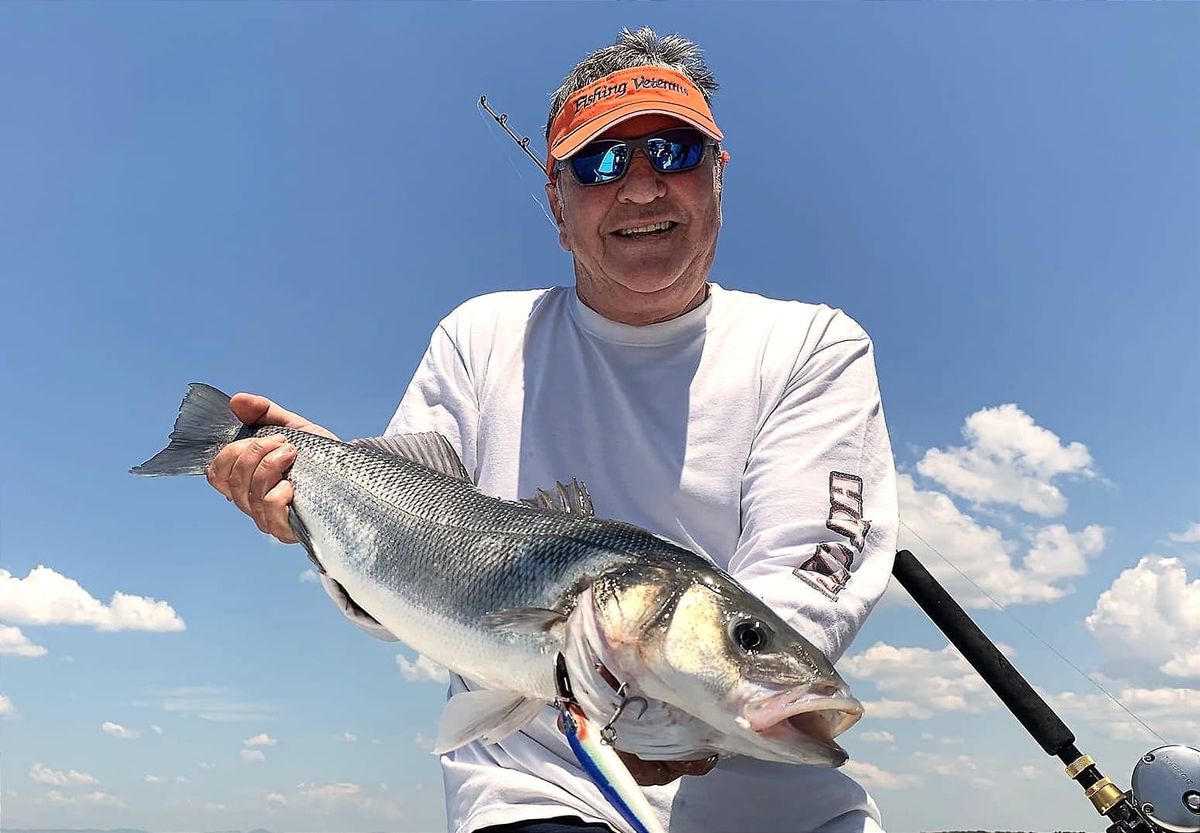
La fascia costiera del Mediterraneo, particolarmente ricca di vita, rappresenta un ecosistema di grandissimo valore e se non fosse perennemente sfruttato dalla piccola pesca professionale, sarebbe un vero e proprio paradiso marino.
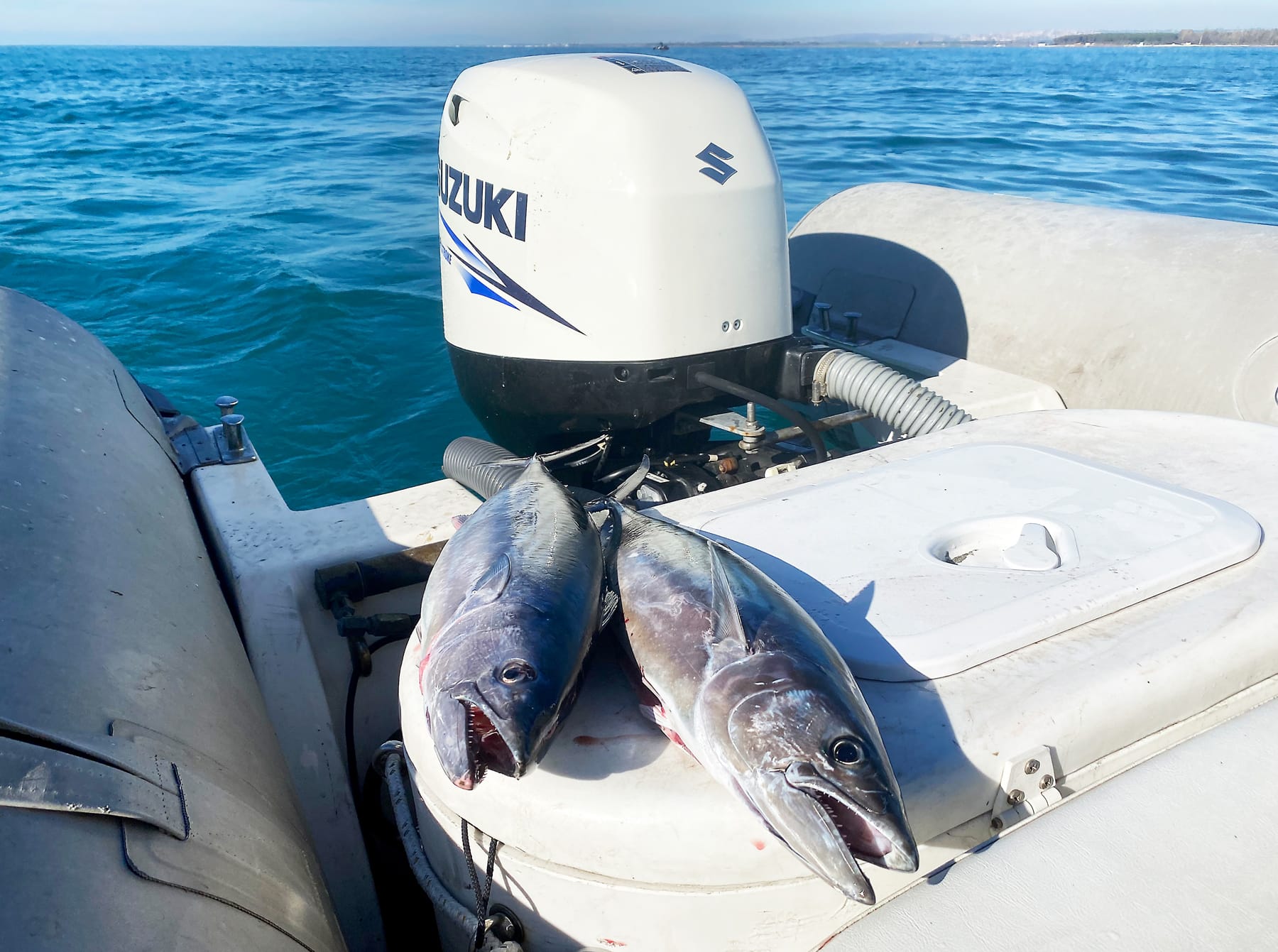
Foto in alto: mentre la palamita è una preda classica del periodo estivo, la spigola, pur essendo un predatore che si nutre nell'immediato sottocosta, è più una preda invernale, questo però non esclude la possibilità d'incontrarla.
Il Mediterraneo ospita moltissime specie che trovano riparo e sostentamento nelle acque più prossime alla riva. Il rimescolamento dell’acqua, a opera delle onde e delle maree, rende l’immediato sottocosta un ecosistema perfetto per moltissimi piccoli pesci, che ovviamente attirano predatori più o meno grandi. In questi ambienti si creano le condizioni ottimali per insidiare a traina con esche finte, piccoli e medi predatori, soprattutto nella fascia d’acqua che va da mezzo fondo al fondo.
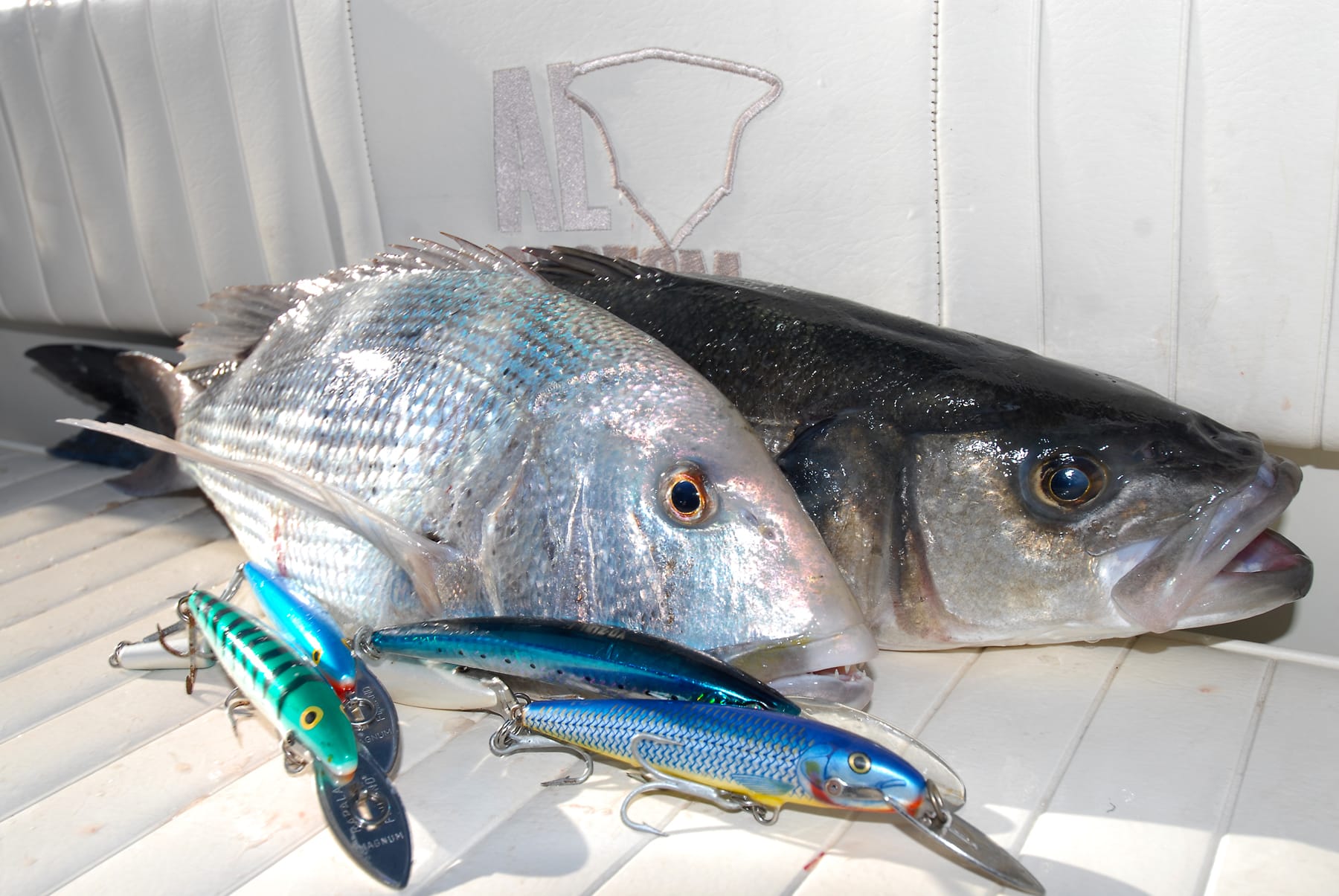
La traina - Si tratta di una tecnica antichissima, che nel tempo si è evoluta e che mira a prede di tutto rispetto tra cui la spigola, il dentice, la palamita, il barracuda e perfino il pesce serra. Si usano prevalentemente esche artificiali: minnow affondanti e galleggianti dai 9 ai 14 centimetri, ma il vero segreto del successo dipende dalle tecniche d’affondamento. Questa tecnica, se messa in pratica scientificamente, facendo lavorare gli artificiali nella fascia d'acqua desiderata e quindi con una perfetta padronanza dei sistemi d'affondamento, è in grado di stimolare alcuni tra i predatori più ricercati della nostra fascia costiera. Stiamo parlando di pesci pregiatissimi e di grande valore sportivo, in molti casi difficilissimi da insidiare con altre tecniche. Ognuno di questi predatori ha un suo habitat, un suo carattere e delle specifiche di traina ed è solo analizzando questi elementi, uno per uno, che possiamo aver ben chiara la situazione al momento della pesca.
Le fasce d’acqua - La vita nel sotto-costa è regolata in maniera predominante dalle diverse fasce d’acqua, ovvero dai diversi strati a temperature diverse che scorrono orizzontalmente slittando l’uno sopra l’altro. Queste correnti possono essere paragonate ad autostrade lungo le quali viaggiano i microrganismi e di conseguenza i piccoli pesci, prede dei predatori. L’individuazione della fascia d’acqua giusta avviene tramite l’ecoscandaglio. Questo, infatti, segnala la quota della mangianza, quindi lo spazio dove far lavorare le esche. Come è facile immaginare, gestire correttamente l’affondamento delle esche è alla base del successo. Questo significa che dovremo discernere sia la batimetrica d’azione, che la profondità a cui insidiare il pesce. Per praticità suddivideremo le fasce in base alla profondità, analizzando tecniche e prede, prendendo in esame soltanto i predatori catturabili con esche artificiali.
Fili affondanti - I due sistemi più usati per affondare le esche artificiali sono: il monel e la treccia piombata. Trainando a 4 nodi, il primo affonda circa 90 centimetri ogni 10 metri calati in acqua, mentre il secondo affonda cm 60-70. A questo bisogna aggiungere l’affondamento dell’esca che varia da 1,5 a 3 metri. Partendo dal presupposto che l’azione di pesca avviene su fondali variabili dai 5 ai 15-18 metri, ci si dovrà orientare sull’uno o sull’altro potere affondate, in considerazione del fatto che le esche devono pescare ad almeno 100 metri dalla poppa. Di conseguenza sui fondali compresi tra i 5 e 12-13 è preferibile il dacron piombato, mentre su fondali maggiori è da preferire il monel. Entrambi si usano preferibilmente con canne da 8-12 libbre, molto flessibili e lunghe, sia perché sono privi di elasticità e quindi la canna deve ammortizzare le testate del pesce, sia perché con canne che si flettono e si raddrizzano con il rollio della barca, i minnow lavorano meglio.
Piombi a sgancio - Un altro sistema per affondare gli artificiali è il piombo a sgancio rapido. Negli ultimi anni sono apparsi sul mercato piombi da applicare ed eliminare velocemente, di incredibile efficacia. Non solo garantiscono un discreto affondamento, ma sono assolutamente sicuri nell’applicazione sulla lenza. Utilizzando questo sistema, si dovrà segnare la lenza a seconda dell’affondamento, per sapere a che profondità naviga l’esca.
La mappatura del fondale - Il sistema più efficace per ottimizzare questa tecnica è quello di crearsi sul plotter una “passata” ottimale trainando su un fondale omogeneo. In questo modo, una volta calata la lenza e fatta raggiugere all’esca la profondità di traina, si potrà stare tranquilli, aven do quasi del tutto eliminato ogni possibilità di incaglio. Per “mappare” la secca o la cigliata su cui si pesca, è necessario effettuare un meticoloso lavoro combinando lo scandaglio e il plotter, memorizzando i punti interessanti e di simile profondità, che rappresenteranno poi la passata.
Esche in acqua - La traina va effettuata seguendo l’andamento della costa, prediligendo le situazioni di mare in scaduta nelle quali si ha una maggiore attività di caccia nel sottocosta. Le aree da prendere maggiormente in considerazione sono: le scogliere a picco sul mare, le praterie di posidonia con pozze di sabbia in pochi metri d’acqua, i manufatti portuali, i canali di sbocco a mare, le dighe foranee e i tratti di costa sabbiosa dove frange l’onda. Trainando nell’immediato sottocosta è importante far passare le esche nei punti dove si notano i mulinelli della corrente, dove frange l’onda e fare attenzione ai movimenti sulla superficie dell’acqua, che potrebbero segnalare la presenza di predatori in caccia.
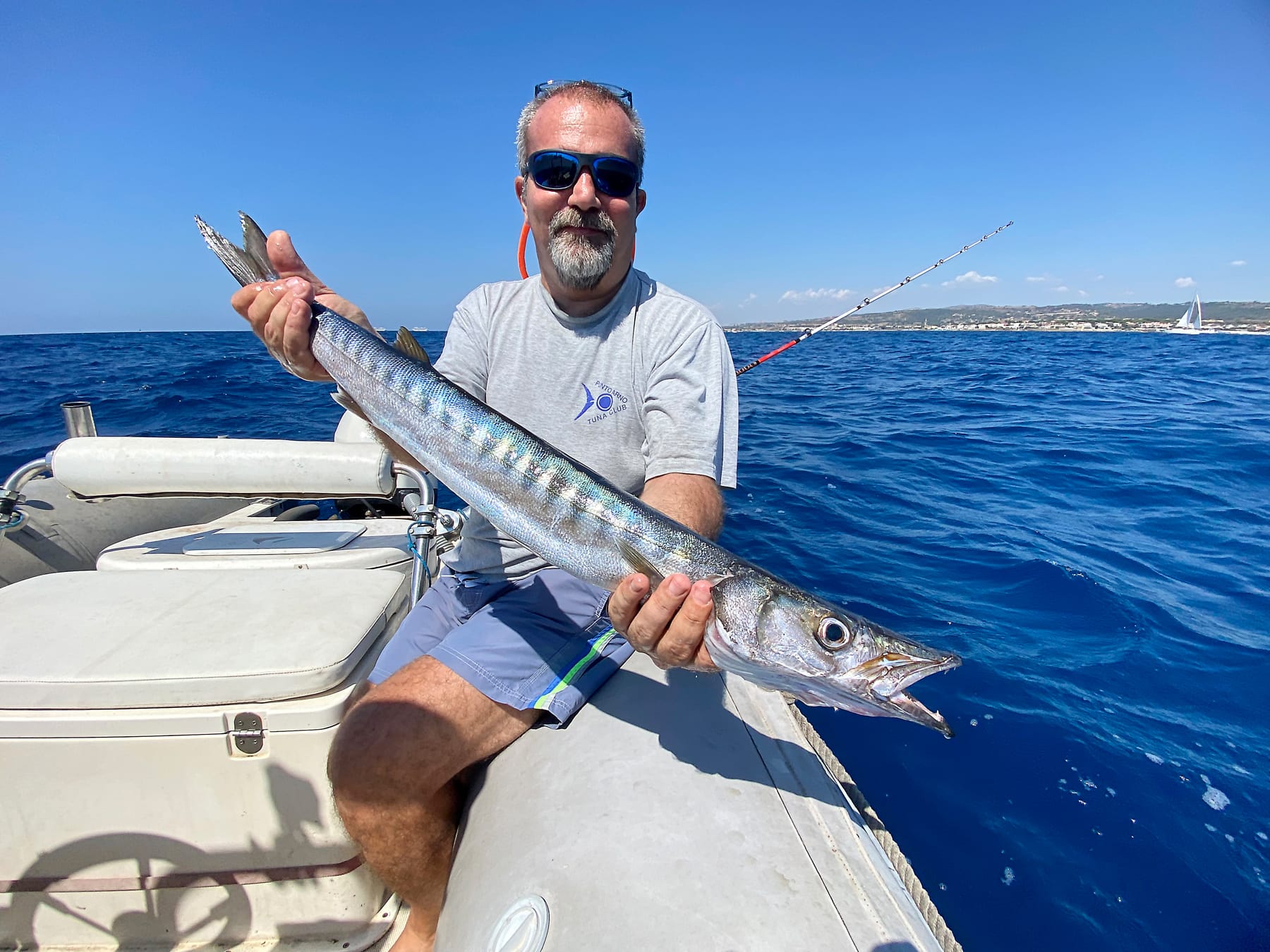
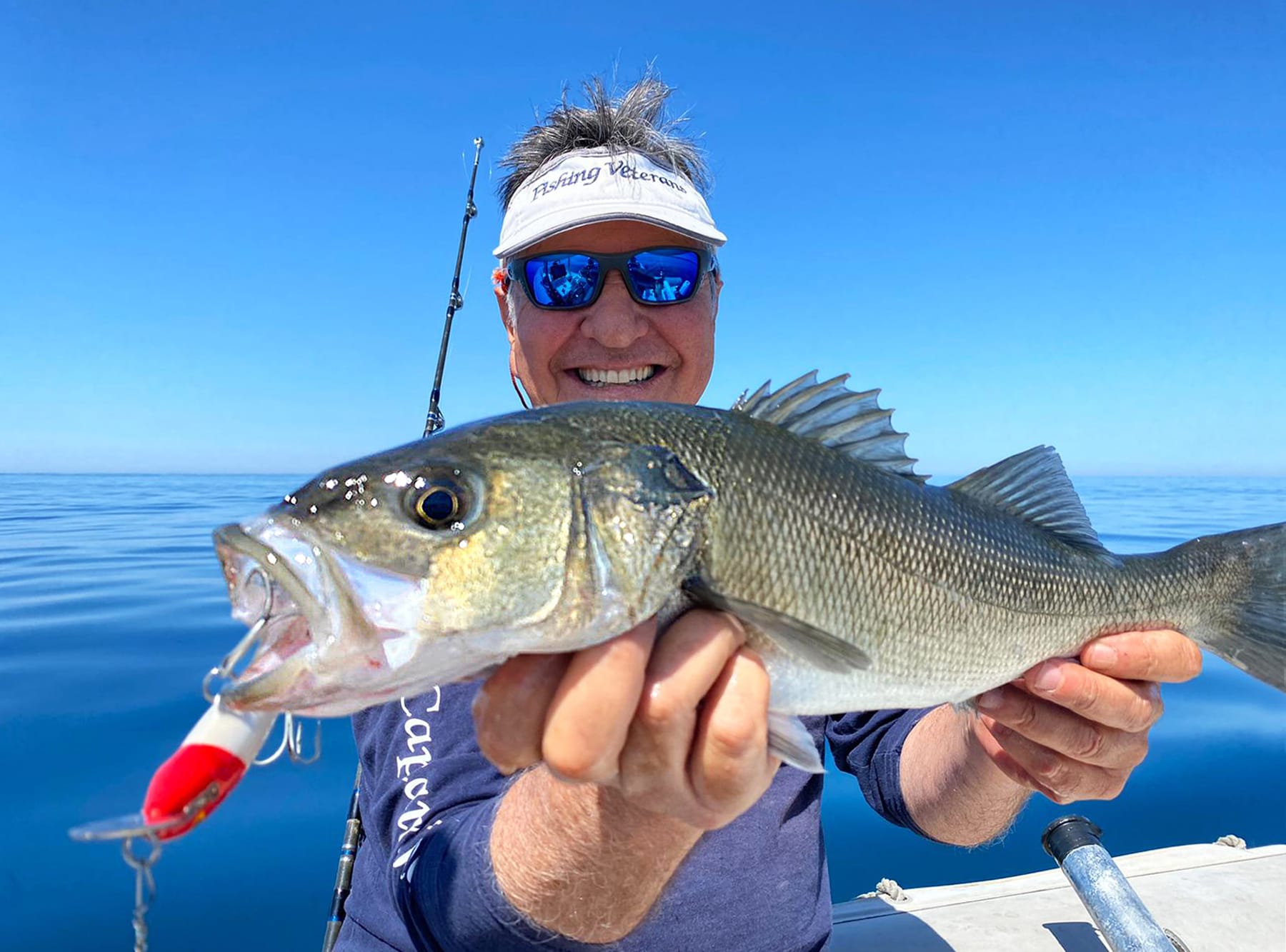
Le prede - Ovviamente i target più ambiti saranno i predatori nobili che si muovono vicino alla riva, ma tantissime altre prede possono rimanere vittima del nostro inganno durante la stagione estiva. Spigole e dentici saranno i nostri obiettivi principali seguiti da palamite, barracuda e tutti i tunnidi. Pescando in condizioni di luce bassa e con moltissima fortuna le sorprese non tarderanno ad arrivare considerando che la pesca con gli artificiali affondati è da sempre una delle tecniche più divertenti e redditizie.
English version
Summer Artificial Lures
The Mediterranean coastal zone, teeming with life, represents an ecosystem of immense value; were it not for constant exploitation by small-scale commercial fishing, it would be a veritable marine paradise.
The Mediterranean is home to a vast array of species that find shelter and sustenance in the waters closest to the shore. The mixing of water caused by waves and tides creates a perfect near-shore ecosystem for many small fish, which in turn attract predators of various sizes. These environments offer optimal conditions for targeting small-to-medium predators by trolling with artificial lures, particularly in the water column ranging from mid-depth to the seabed.
Trolling - This is an ancient technique that has evolved over time, targeting impressive game fish such as sea bass, dentex, bonito, barracuda, and even bluefish. Artificial lures are primarily used - specifically sinking and floating minnows ranging from 9 to 14 centimeters - but the true secret to success lies in the sinking techniques employed. When practiced systematically - ensuring the lures operate at the desired depth through mastery of sinking systems - this technique can entice some of the most sought-after predators along our coast. We are talking about highly prized fish that offer great sporting value and are often extremely difficult to catch using other methods. Each of these predators has its own habitat, temperament, and specific trolling requirements; only by analyzing these elements individually can we gain a clear understanding of the situation while fishing.
Water Layers - Near-shore marine life is predominantly governed by distinct water layers-strata of varying temperatures that flow horizontally, sliding over one another. These currents can be likened to highways along which microorganisms and consequently the small fish that serve as prey for larger predators travel. The right water layer is identified using a fish finder; this device indicates the depth of the baitfish, thereby revealing where the lures should be worked. As one might expect, properly controlling the lure's descent is key to success. This means determining both the target depth zone and the specific depth at which to fish for the predators. For the sake of clarity, we will categorize these zones by depth, analyzing the relevant techniques and prey species, focusing exclusively on predators that can be caught using artificial lures.
Sinking lines - The two most common systems for sinking artificial lures are Monel line and lead-core line. When trolling at 4 knots, the former sinks about 90 centimeters for every 10 meters deployed, while the latter sinks 60-70 cm. To this, one must add the lure's own diving depth, which ranges from 1.5 to 3 meters. Given that fishing takes place over depths varying from 5 to 15–18 meters, the choice between the two sinking capabilities depends on the depth, bearing in mind that the lures must run at least 100 meters behind the stern. Consequently, lead-core line is preferable for depths between 5 and 12–13 meters, whereas Monel is better suited for greater depths. Both are best used with long, highly flexible 8–12 lb class rods; this is necessary because these lines lack elasticity—meaning the rod must absorb the fish's head shakes—and because flexible rods allow minnow-style lures to perform better as they flex and straighten with the boat's rolling motion.
Quick-release weights - Another method for sinking artificial lures is the quick-release weight. In recent years, highly effective weights designed for rapid attachment and removal have appeared on the market. Not only do they provide significant sinking depth, but they also attach securely to the line. When using this system, the line should be marked according to the weight used so the angler knows the lure's running depth.
Seabed mapping - The most effective way to optimize this technique is to create an ideal trolling path on your chart plotter by running over a seabed with consistent depth. This way, once the line is lowered and the bait reaches the trolling depth, you can fish with peace of mind, having virtually eliminated any risk of snagging. To “map” the shoal or drop-off where you are fishing, you need to carry out a meticulous process combining the depth sounder and chart plotter, marking points of interest and similar depths that will define your trolling run.
Lures in the water - Trolling should be done by following the coastline, favoring conditions where the sea is settling after rough weather—times when predatory activity close to shore is highest. Key areas to target include: sheer cliffs dropping into the sea, *Posidonia* seagrass beds interspersed with sandy patches in shallow water, harbor structures, channel mouths, breakwaters, and sandy stretches where waves break. When trolling right along the shoreline, it is important to run your lures through current eddies and breaking waves, while keeping a close watch on the water's surface for signs of hunting predators.
The catch - Naturally, the most sought-after targets are the prized predators that roam near the shore, though many other species may fall for our lures during the summer season. Sea bass and dentex will be our primary targets, followed by Atlantic bonito, barracuda, and various tuna species. Fishing in low-light conditions—and with a bit of luck—surprises are sure to follow, given that trolling with sinking lures has always been one of the most enjoyable and productive techniques.
Commenti ()