
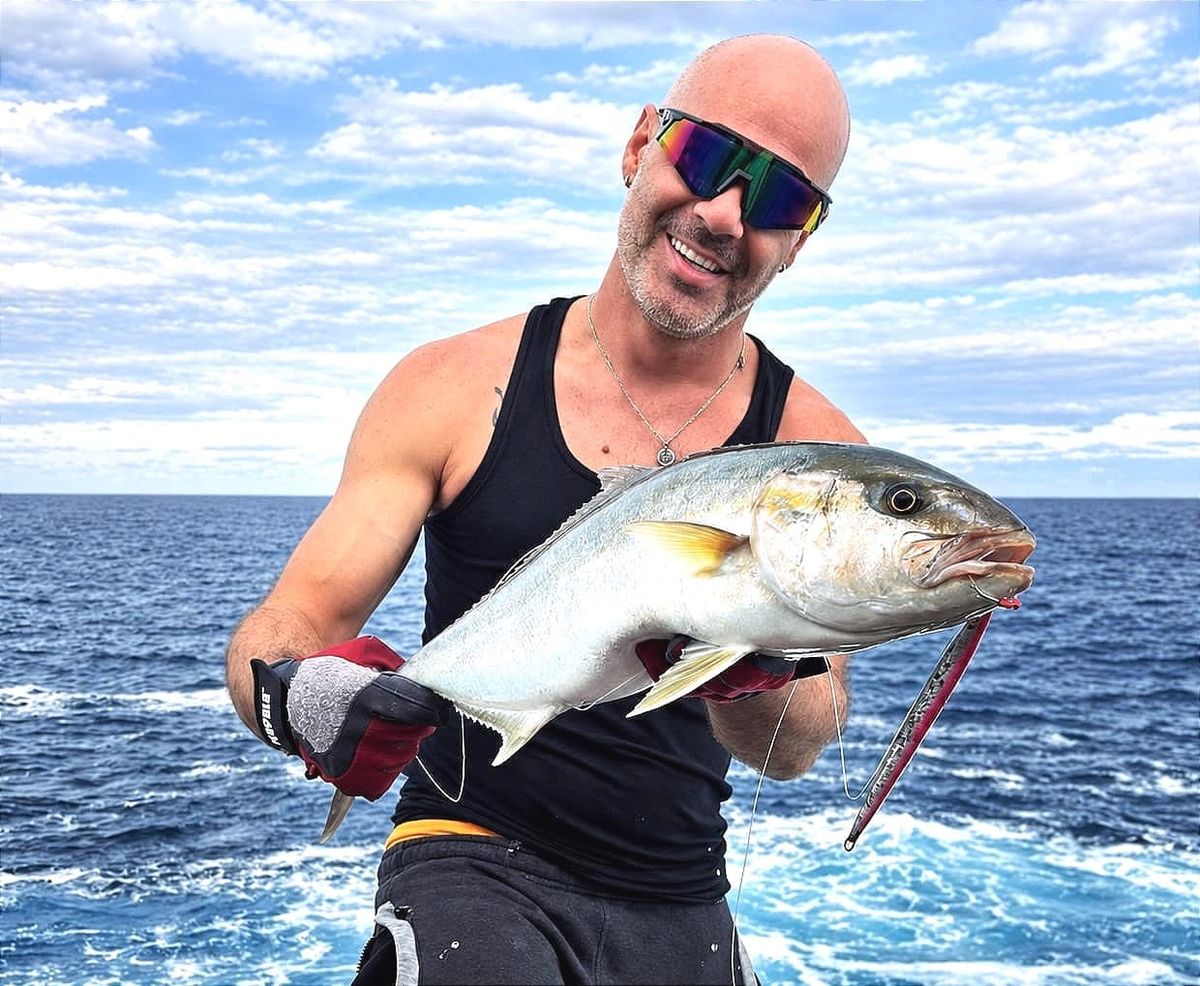
A ottobre e novembre sono tantissimi i predatori che nuotano vicino alle scogliere e cacciano frenesia; lo stesso si verifica anche nelle aree portuali. Ma esiste un’attrezzatura valida per tutto?
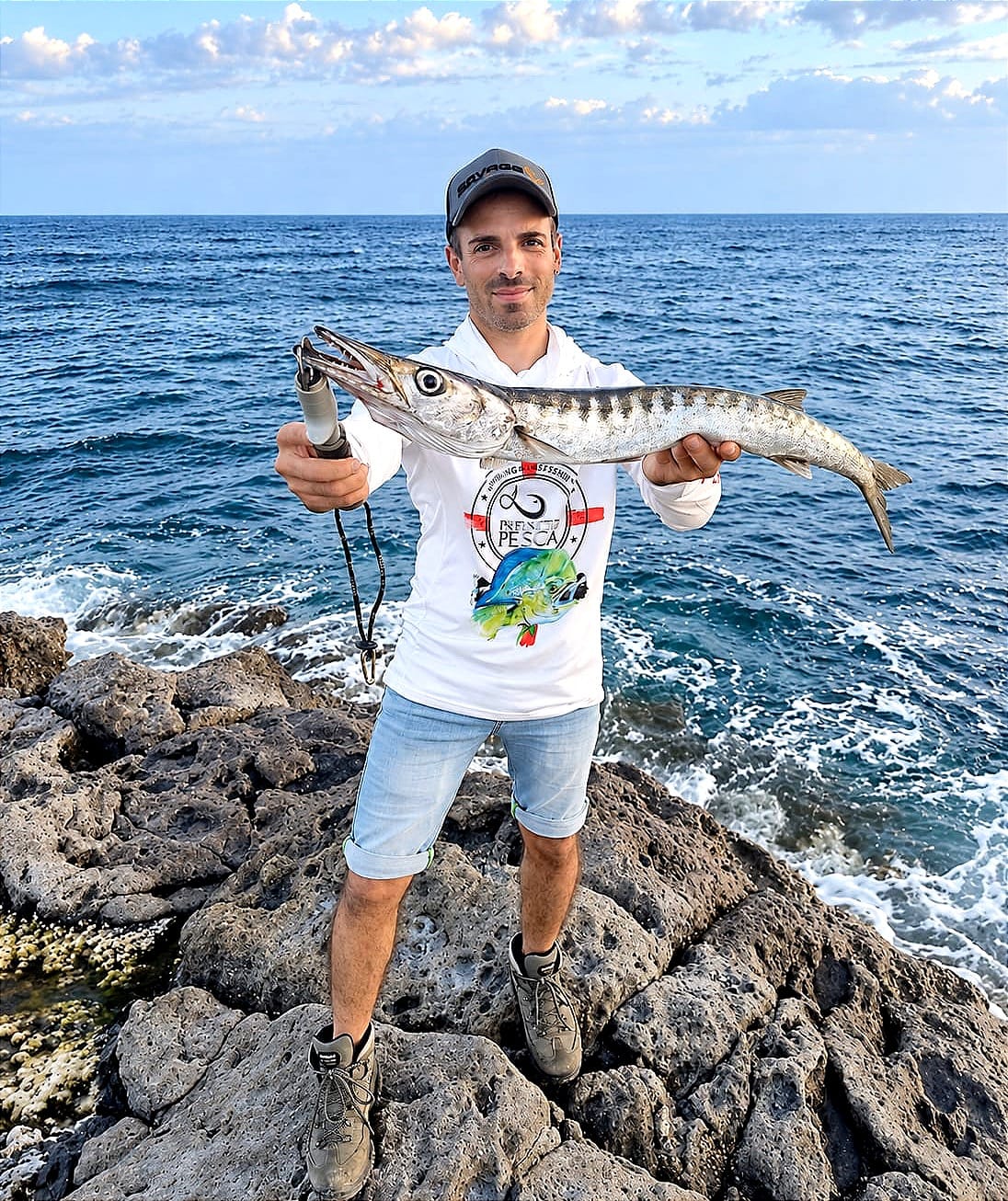
Foto in alto: Andrea Curridori con una ricciola, pescata a metà settembre da un’alta scogliera del sud Sardegna. Il lungo jig, con assist hook in evidenza, svela la tecnica usata da Andrea, lo shore jigging.
Con il termine generico di spinning si comprendono moltissimi tipi di pesca tra loro molto differenti: light, medium e heavy spinning, shore jigging, top e deep water, eging, urban e street fishing, finesse, sono solo alcune delle tante declinazioni della pesca con esche artificiali. Gli spinner di lungo corso negli anni individuano quali sono le tecniche che più li appagano e, col tempo, si dotano di un’attrezzatura sempre più specifica. Il mercato giustamente propone centinaia di modelli di canne e mulinelli, adatti ciascuno per una particolare tipologia di spinning. L’azione della canna, la sua lunghezza, l’ingombro e il peso, il rapporto di recupero del mulinello, la sua struttura e dimensione… tutto è volto al raggiungimento della (quasi) perfezione nell’azione di pesca.
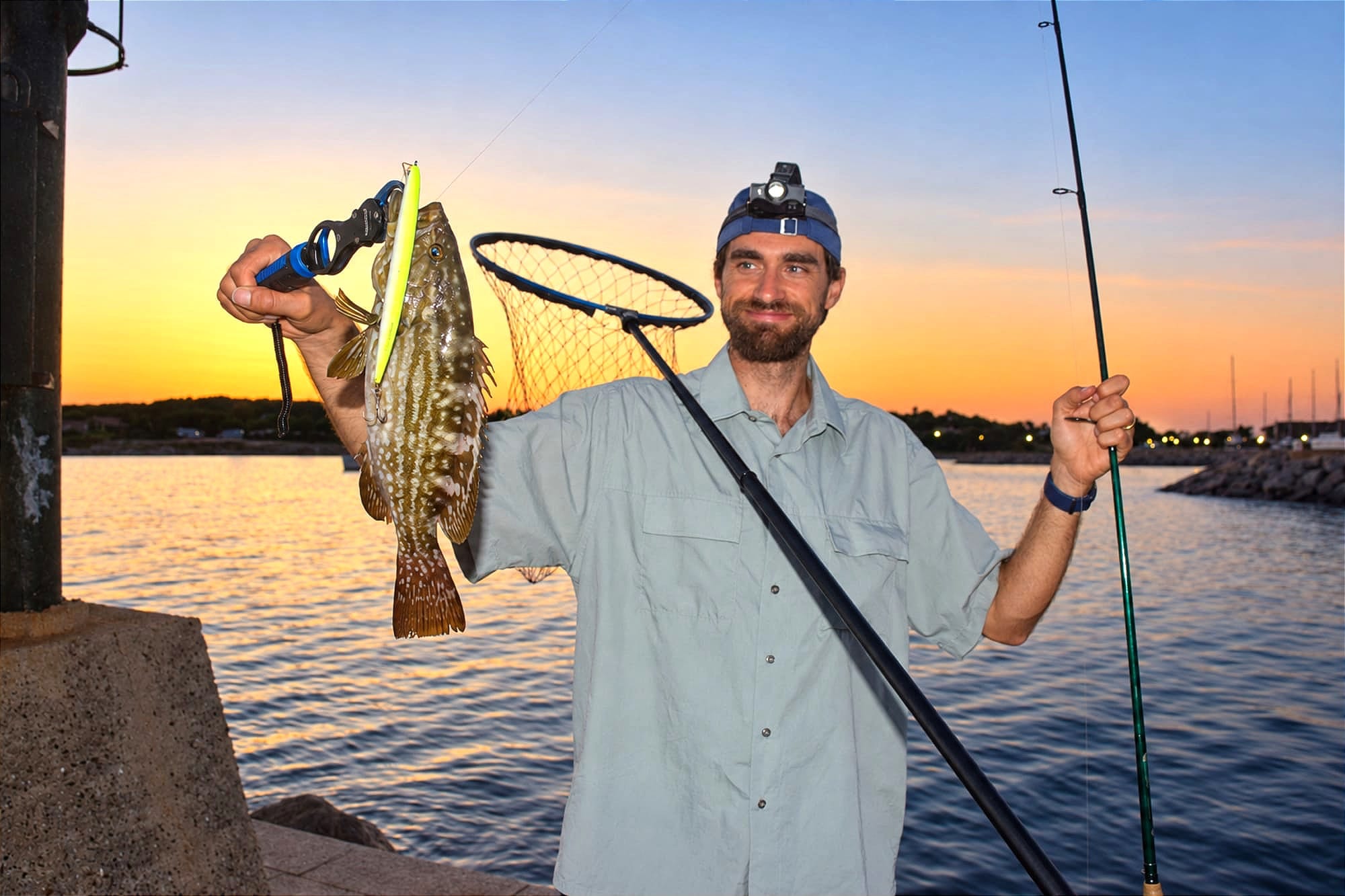
Ma tanta abbondanza di offerta può risultare difficile da comprendere per un pescatore alle prime armi. E se è vero che si impara molto di più dai propri errori, per cui l’acquisto di una canna o un mulinello “sbagliato” aiutano a progredire, dobbiamo comunque ammettere che limitare il più possibile le spese inutili permette di tenere ben alto il morale dello spinner. Quando ci si avvicina allo spinning bisogna mettere in conto una percentuale alta di “cappotti”, di uscite nelle quali non si vedrà neanche un attacco; è normale perché, specie all’inizio, si sbagliano spot, condizioni del mare e del vento; si deve entrare in confidenza con l’attrezzatura e muovere l’esca artificiale nel modo corretto. Tutto questo richiede tempo, pratica e pazienza. Ma se a questa si aggiunge un esborso inutile, dovuto all’acquisto di attrezzatura al di sopra delle nostre capacità, si rischia di veder affievolire la passione.
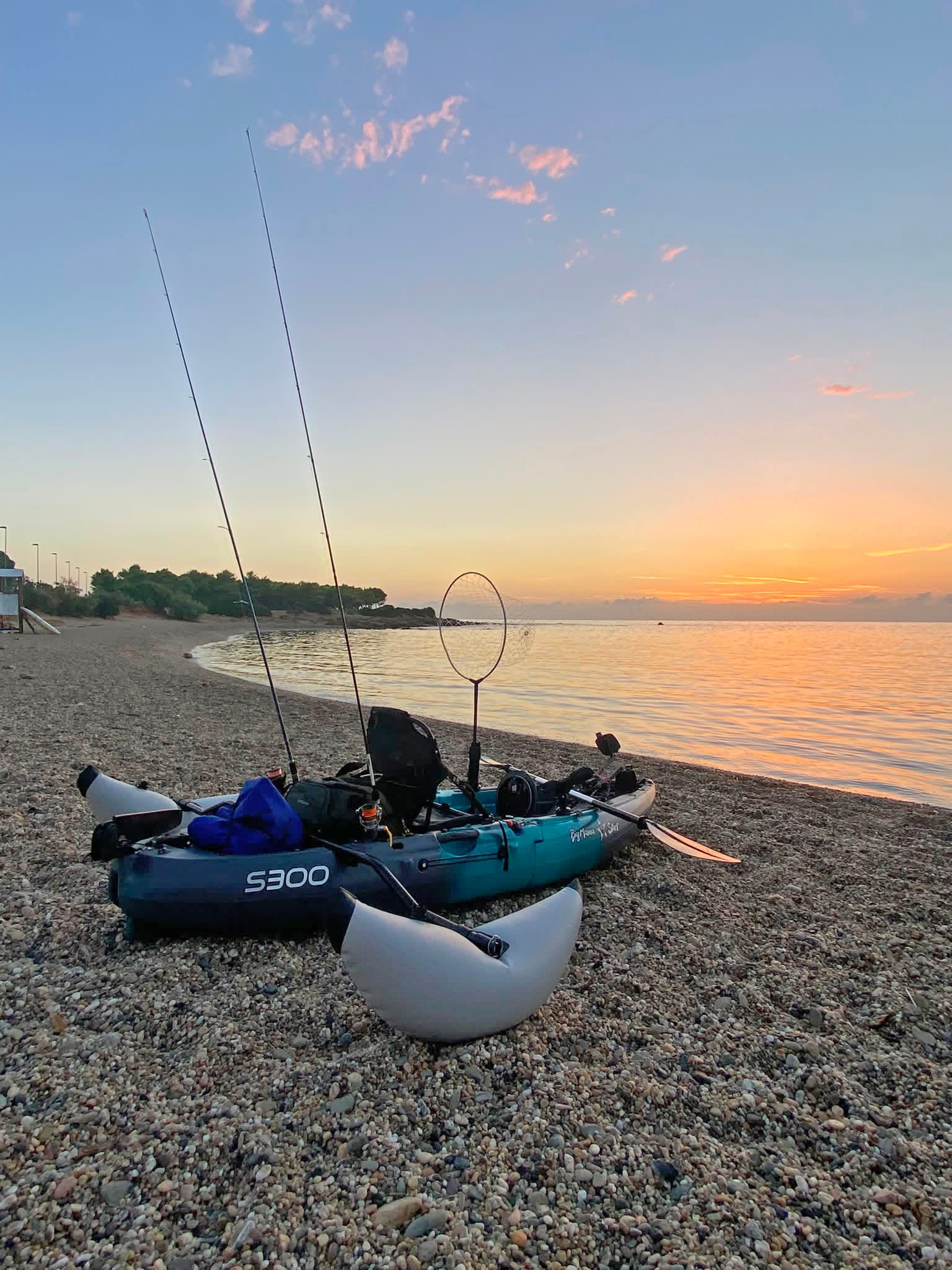
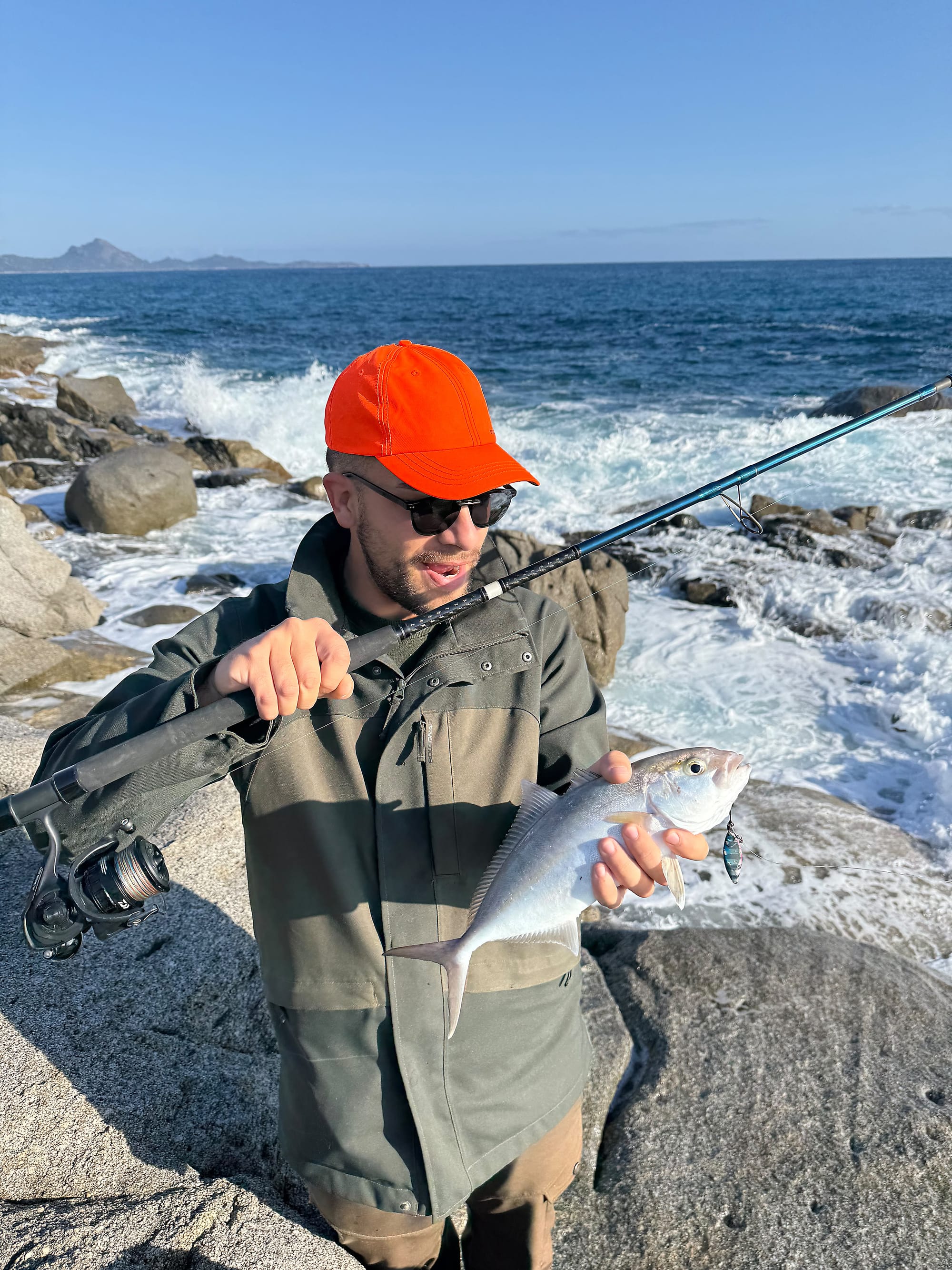
Kayak attrezzato per lo spinning. Sempre di ricciola si tratta, anche se quando sono di queste dimensioni i pescatori la chiamano limoncino. Più piccolo anche il jig utilizzato da Michele Anedda, ma la differenza l’ha fatta la conoscenza dello spot, una scogliera difficile da affrontare, viste le tante rocce affioranti.
Una canna per tutti - Esiste una combo che permetta, al pescatore in erba, di testare se non tutte almeno molte delle varianti dello spinning? La risposta è affermativa. Certo, un’attrezzatura cosiddetta all-round non regala allo spinner le stesse sensazioni di sensibilità e reattività che può dare una configurazione specifica. Ma fatta questa premessa, seguiamo il vecchio adagio che recita “in medio stat virtus”, la virtù sta nel mezzo. Noi non siamo alla ricerca della virtù assoluta ma di un’attrezzatura che ci permetta di lanciare minnow, popper e wtd in un range di grammature tra 10 e 30 grammi, metal jig sino ai 35 grammi, gomme non troppo piccole e leggere e, perché no, qualche totanara quando la fame di cefalopodi ci attanaglia.
Canna, mulinello e filo - Partiamo dalla canna. Di sicuro una due pezzi, soluzione che aiuta a mantenere l’ingombro contenuto. La lunghezza sui 2 metri e 20, in modo da agevolare il recupero da postazioni rialzate, come scogliere e moli; come accennato, il range di potenza sarà ampio, tra 10 e 40 grammi circa e l’azione, sempre seguendo gli antichi romani, va cercata nel medium spinning; una canna non troppo reattiva e “di punta” quindi, ideale se si vuole fare qualche lancio a shore jigging, ma comunque abbastanza pronta per animare correttamente le esche quali jerk e walking the dog. Alla canna si abbina un mulinello 4000 o 5000 e cioè la misura ideale per quasi tutte le configurazioni dello spinning. Un parametro da considerare sin da subito è il peso del mulinello. Se la spesa non è troppo superiore, preferiamo sempre un modello che abbia un peso contenuto. Infatti nello spinning si pesca in piedi, lanciando e recuperando centinaia di volte di seguito e senza sosta. Anche qualche grammo in meno, a lungo andare, ci aiuta a rimanere attivi per più tempo. Non rimane che scegliere il filo in bobina. Si può optare per un buon trecciato a 8 capi con PE 1. Lo so, è un filo sottile e sembra una scelta un po’ al limite, con una sezione di appena 0,165 millimetri. Ma un PE 1 ha un carico di rottura intorno alle 10 libbre (4,5 chili circa), più che sufficienti per fronteggiare catture eccellenti e abbastanza sottile per aiutarci a trovare distanza anche con artificiali leggeri.
All-Round: A Rod for Everyone
By Federico Melis
The coming season is ideal for taking up lure fishing. In October and November, large numbers of predators move close to rocky shores and begin feeding more aggressively. The same happens around harbours. But is there one tackle setup that can do it all?
The broad term “lure fishing” encompasses many very different disciplines: light, medium and heavy spinning, shore jigging, topwater and deep-water fishing, eging, urban and street fishing, and finesse fishing are just some of its many variations.
Over the years, experienced lure anglers discover which techniques they enjoy most and gradually acquire increasingly specialised tackle. Manufacturers understandably offer hundreds of rod and reel models, each suited to a particular style of fishing. Rod action, length, transport length and weight; reel gear ratio, construction and size—everything is designed to achieve something approaching perfection on the water.
But this wealth of choice can be bewildering for a beginner. And while it is true that we learn more from our mistakes, so buying the “wrong” rod or reel can help us progress, keeping unnecessary spending to a minimum certainly helps maintain enthusiasm.
When taking up lure fishing, you have to expect plenty of blank sessions: outings when you will not get so much as a strike. This is normal, especially at first, when you may choose the wrong spot or unsuitable sea and wind conditions. You need to become familiar with your tackle and learn to work your lures correctly. All of this takes time, practice and patience. Add an unnecessary outlay on equipment beyond your current abilities, however, and that enthusiasm can begin to fade.
A Rod for Everyone - Is there a rod-and-reel combination that allows a newcomer to try many, if not all, forms of lure fishing? The answer is yes.
Of course, an all-round setup will not provide the same sensitivity and responsiveness as tackle designed for a specific technique. With that understood, let’s follow the old saying “in medio stat virtus”: virtue lies in the middle.
We are not seeking absolute perfection, but tackle that will allow us to cast minnows, poppers and walk-the-dog lures weighing between 10 and 30 grams, metal jigs up to 35 grams, soft plastics that are not too small or light, and perhaps even a few squid jigs when the craving for cephalopods strikes.
Rod, Reel and Line - Let’s start with the rod. A two-piece model is the obvious choice, keeping its transport length manageable. A length of around 2.20 metres will help when retrieving from elevated positions such as rocks and piers.
As mentioned, it should have a broad casting range, roughly 10–40 grams. Continuing to follow the ancient Romans’ advice, we should look for a medium spinning rod: something without an excessively fast, tip-dominated action, suitable for trying a little shore jigging, yet responsive enough to work jerkbaits and walk-the-dog lures properly.
Pair the rod with a size 4000 or 5000 reel, an ideal size for a wide range of spinning setups. One factor to consider from the outset is reel weight. If the price difference is not too great, always favour a lighter model. Lure fishing involves standing up and casting and retrieving hundreds of times, often without a break. Even a few grams saved can help you keep fishing for longer.
All that remains is to choose the line. A good eight-strand braid rated PE 1 is an option. I know: it is thin and might seem a little on the light side, with a diameter of just 0.165 mm. But PE 1 has a breaking strain of around 10 lb, or approximately 4.5 kg—more than enough to handle some excellent fish, while being thin enough to help achieve good casting distances even with light lures.
Commenti ()