
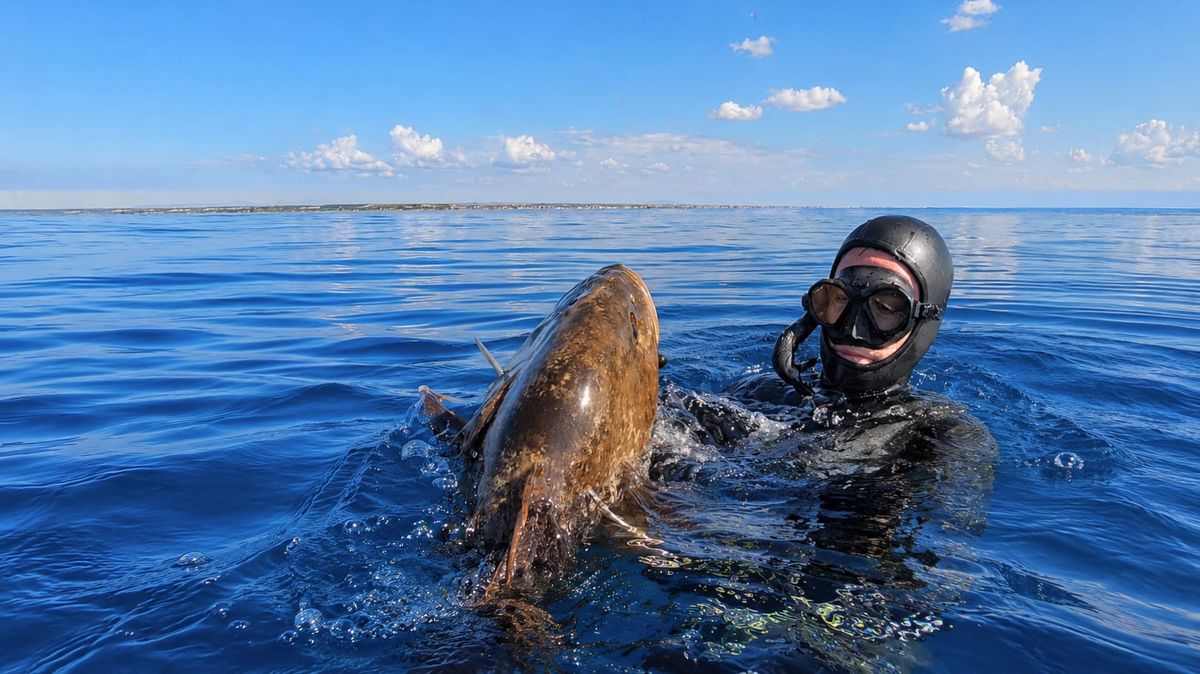
Di solito il successo arriva dopo una faticosa, a volte estenuante gavetta. Riccardo è maturato molto e in poco tempo e a soli 22 anni è già coinvolto nel circuito agonistico internazionale.
foto in alto: Riccardo con la cernia palermitana di 20 chili pescata a poche miglia dalla costa.
Palermitano, ventidue anni, ingegnere delle tecnologie per il mare, agonista ai massimi livelli, assistente di Giacomo De Mola al Campionato Euro Africano di fine mese. Questa è la più breve e incompleta presentazione di Riccardo Emma, un giovanissimo pescatore in apnea cresciuto sotto l’influenza di una stella: Nicola Riolo.
I tuoi primi passi? In mare? Naturalmente d’estate, con mia mamma, a Palermo, ma anche a Letojanni e Caronia dove trascorrevamo le vacanze. A 8-9 anni, con maschera e pinne, seguivo mio babbo che sparacchiava un po’ di tutto, senza irraggiungibili pretese. Con lui ho iniziato a pescare anche con la canna, a bolentino, a traina con gli artificiali e con la bolognese dal molo. A 14 anni partecipai a un corso open di apnea con l’Asd Mediterranea, istruttore Gianfranco Concas, coach della profondista Alessia Zecchini.
Prima esperienza? Sott’acqua la mia prima emozione fu a Filicudi, presi il mio primo polpo col raffietto.
A 16 anni arrivò il fucile? A 16 anni, per la promozione in terza liceo, trovai sul divano del soggiorno un lungo regalo infiocchettato: era un fucile subacqueo.
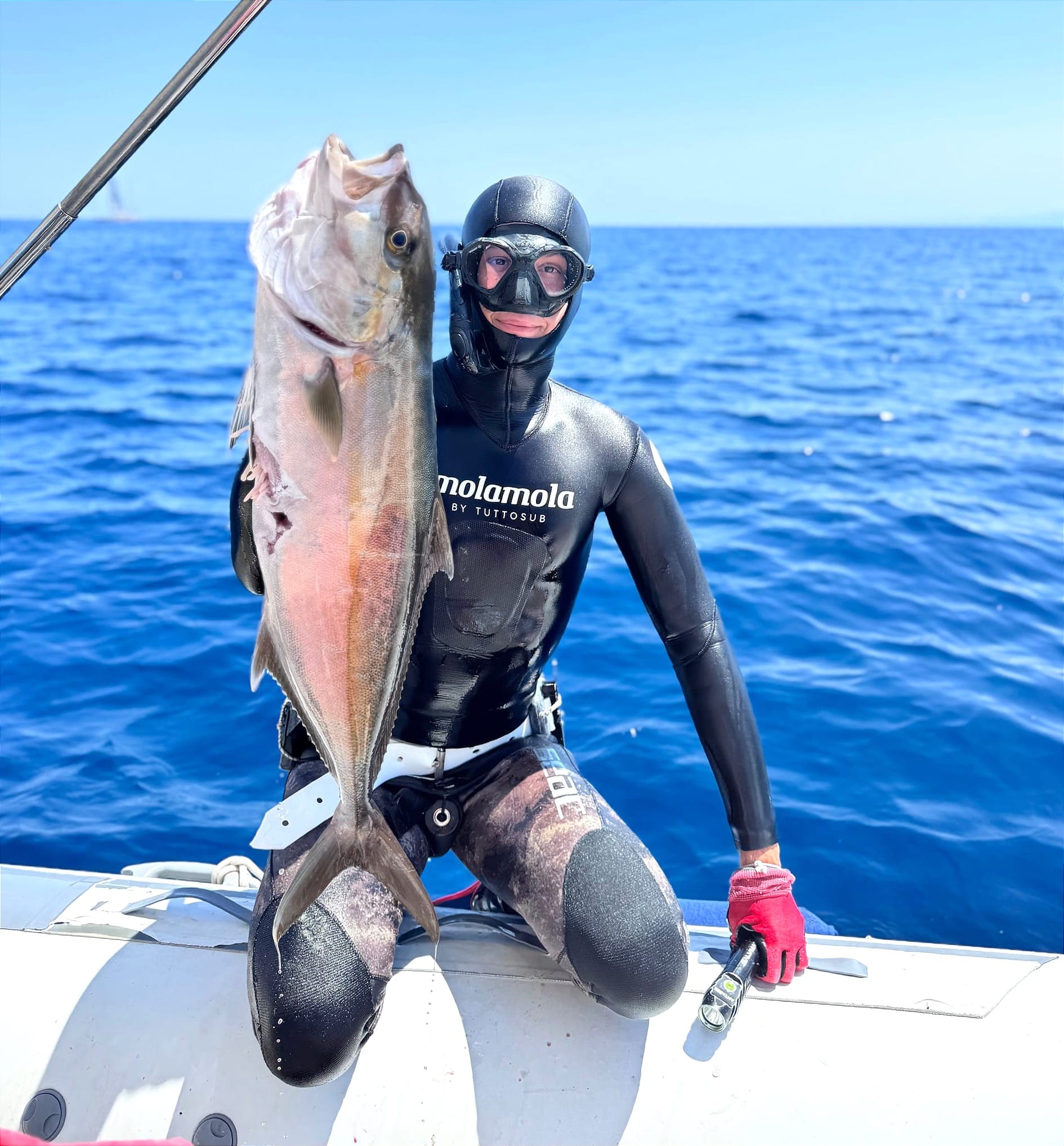
Primo pesce importante? Da quel regalo non passarono molti giorni. Finita la scuola, in vacanza, a Caronia, in pieno agosto, intravidi sul fondo, a circa 15 metri, un banchetto di balestra che riconobbi al volo. M’immersi e ne centrai facilmente uno di due chili. Strafelice corsi subito a terra per raccontare a tutti l’avventura e mostrare con orgoglio la mia prima preda vera.
Poi cosa successe? Mio padre perse un po’ l’entusiasmo e dovetti cavarmela da solo, da autodidatta. Iniziai a uscire da terra e a pubblicare post sui social. Insomma il mio nome e le mie pescate giravano per il web e tanto favorì la frequentazione di altri personaggi e nuove esperienze.
Come sei arrivato alle gare? Devo ringraziare Paolo Catania (ma anche Francesco Sacco). A lui devo il battesimo in gommone. Infatti dopo un periodo di apprendistato come barcaiolo, l’ho convinsi a imbarcare un terzo così da potermi tuffare anche io. E devo dire che l’esordio, con un grande agonista e migliore istruttore di nuoto a Palermo, fu un grande successo. Era il primo di novembre, io felicissimo. Al primo tuffo sparai un sarago e lui nulla. Al secondo tuffo sparai un sarago, lui nulla. Per me sarei potuto rientrare, soddisfatto, e gonfiarmi per una settimana, ma vista l’abbondanza di pesci la finimmo tra saraghi e corvine con una decina di pezzi a testa. Paolino mi promosse e per un anno, una o due volte alla settimana, uscimmo sempre insieme. In quel periodo in famiglia decidemmo di sostituire la barca con un gommone il che per me significò incrementare le uscite a pesca, anche in solitario. Così, le gare mi vennero incontro. A 18 anni partecipai alla mia prima selettiva, a Terrasini con i colori “I Love Pescasub”. Fu un disastro, cappotto assoluto. Miei avversari Riolo, Sacco, Catania, Mancia… insomma tutti i più forti. Avevo perso la partita ma guadagnato tanto in esperienza.
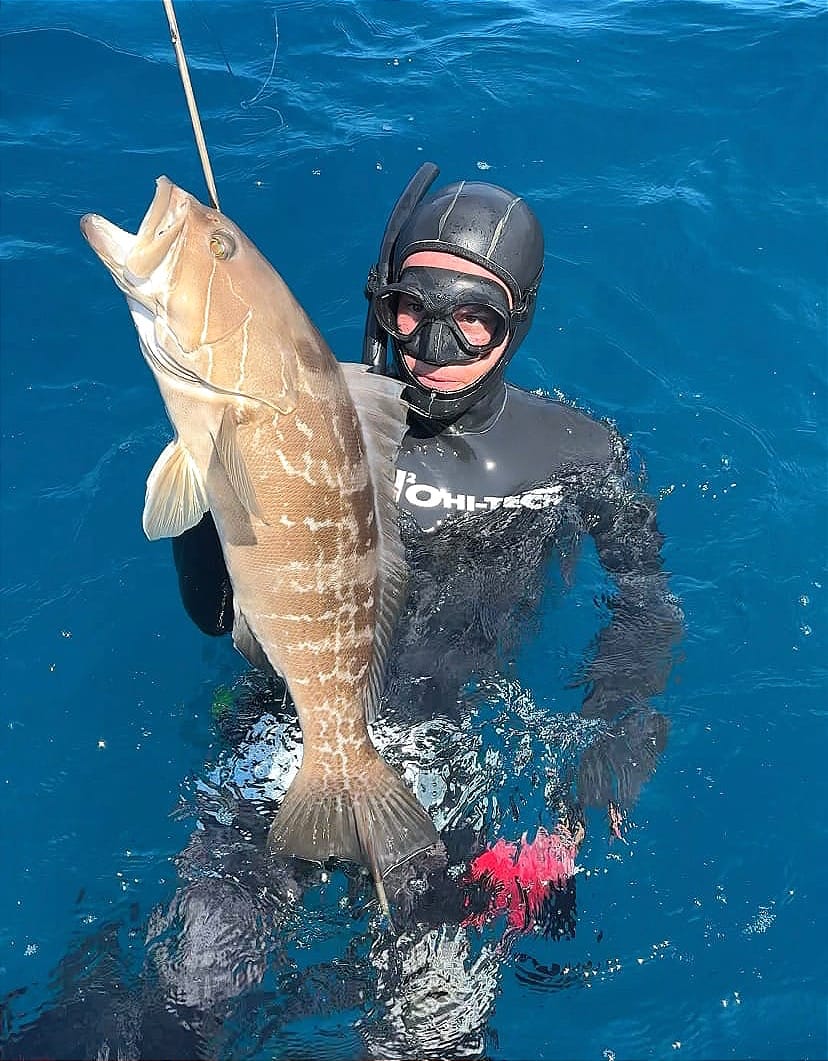
Quando hai ingranato? Nel 2024 mi qualificai in seconda categoria e disputai gli italiani nel 2025 a Mola di Bari. Fui molto determinato, addirittura posticipai di 6 mesi i miei doveri universitari per allenarmi e concentrarmi sulla pesca. Per fortuna andò abbastanza bene, nonostante una prima giornata fiacca a causa dell’acqua scurissima, pessima. Il secondo gior-no recuperai alla grande e infine mi piazzai decimo sui venti ammessi all’assoluto. Vinse Caprini. Quest’anno a fine giugno, vinta la partita coi professori, mi presento un mese prima della gara, o quasi, a Mazara del Vallo, con Manfredi, il barcaiolo. Il tempo, assolato, ci assiste. In preparazione marco un sacco di pesci, grazie ai consigli e qualche spot generosamente regalato da Riolo, ma soprattutto per il contributo di mio fratello che ha sacrificato un mese per assistermi. E così mi faccio un film: io protagonista che salgo trionfante sul podio. Ma la realtà è diversa! Infatti, in partenza raggiungo il primo segnale, a 35 metri, purtroppo insieme ad altri due atleti, La Mantia e Cappelletti. Innervosito e infastidito dalla corrente sbaglio una corvina. Mi sposto su un altro segnale ma non trovo alcun segno di cernia dorata. Anche il terzo tuffo, in acqua più limpida e calda ma con ancora più corrente, è infruttuoso. Mi sposto sui dentici, dove li ho sempre visti, in tre siti distanti 100 metri tra loro. Li vedo ma, forse a causa dell’acqua troppo limpida, non arrivano mai a tiro. Allora ripiego su acque meno profonde e sparo diversi saraghi. Poi ancora più a terra sui 10-15 metri per frugare tra le tantissime tane di saraghi marcate. Niente, qualcuno è già passato. Consumo quindi le ultime due ore di gara tra i 15 e i 25 metri, in particolare su un mini spot in mezzo alla posidonia. Chiudo la giornata con 6 saraghi 5 tordi e un onorevole ottavo posto in classifica, che tra l’altro mi apre le porte in casa Cressi.
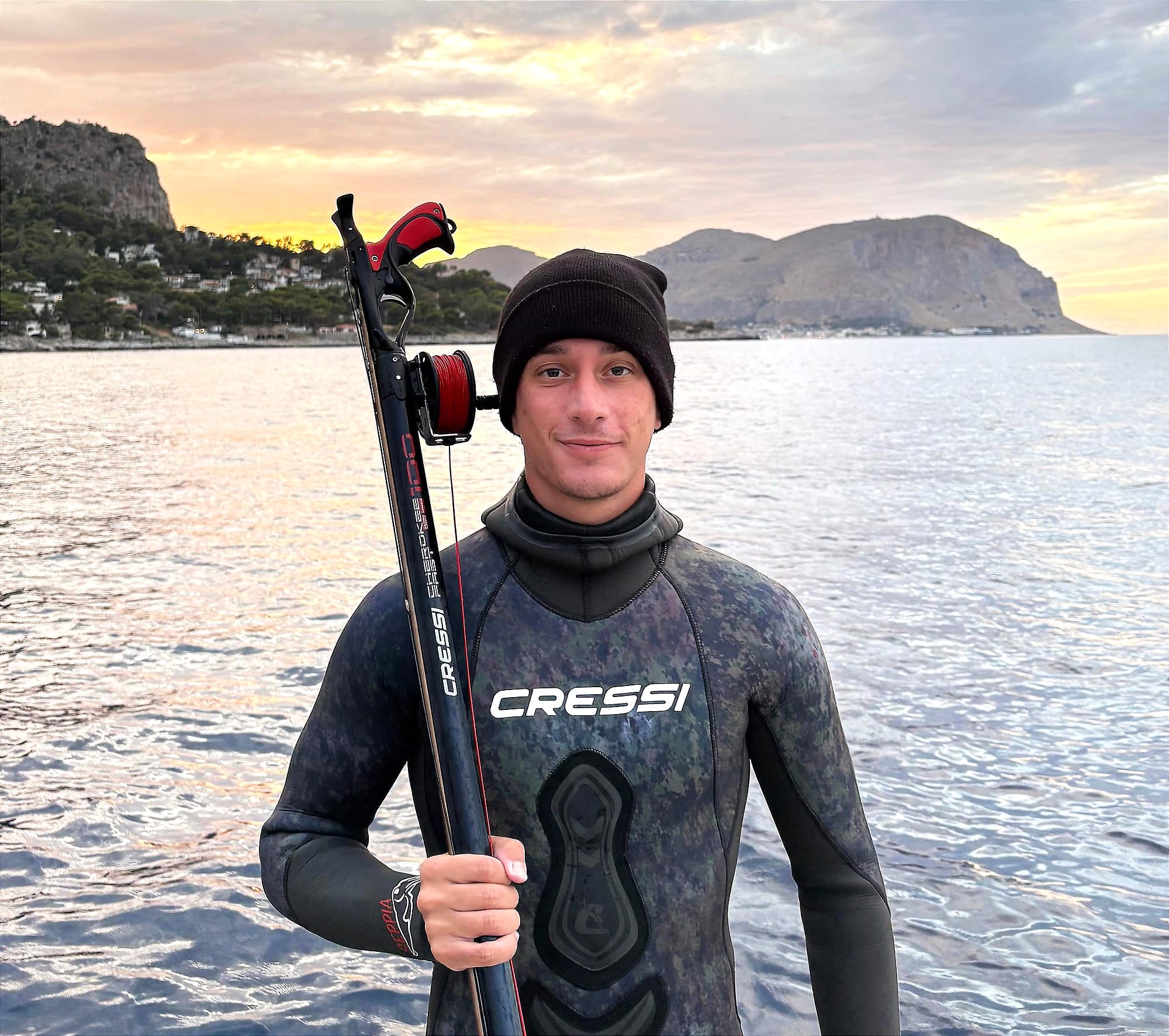
Il pesce più grosso? Una cernia di quasi 20 chili di fronte a casa mia, a un miglio a NE. Era due anni fa, a novembre. Tempo uggioso, ma fantastico in acqua, calda e limpida e con corrente favorevole e mare appena mosso. Sparai qualche sarago e corvine, in una tana che conoscevo, dove tra l’altro avevo preso la mia prima cernia (kg 11). C’era corrente, molto forte, e mi ancorai col Motor Guide. Al primo tuffo non arrivai sulla verticale a 26 metri. È molto difficile individuare la tana perché confusa col fondo e nascosta dalla posidonia. Al secondo tuffo individuai l’accesso principale. Lei era lì, messa di muso, apparentemente tranquilla. Sparai e la portai su nello stesso tuffo.
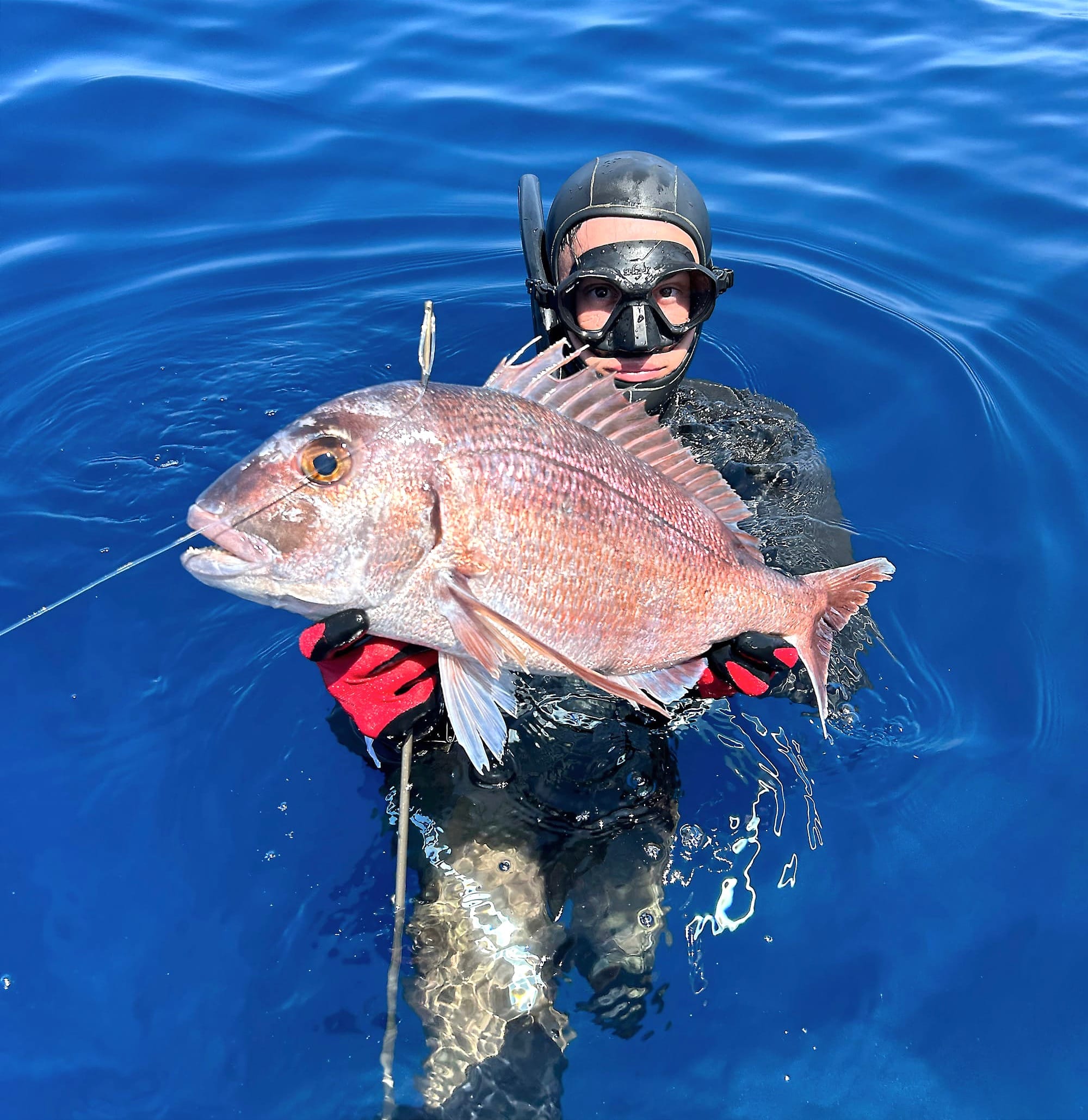
E il più strano? Non strano ma insolito perché di norma sta più fondo. Tre anni fa. Scarrellai a Mazara per arrivare a destinazione dopo 40 miglia di navigazione. Il banco Pantelleria, distante 15 miglia a NW dall’omonima isola, è un cappello a 18 metri che sale da un fondo di 40-50 ma sprofonda fino a 90, dove principalmente s’incontrano cernie brune e mostelle. Era bel tempo, a luglio, ero con Salvo Natoli. In una parte del banco c’è un bellissimo orlo che cade di 10 metri. Mi spostai un po’ e vidi questo parago all’ombra che prendeva corrente nella caduta. Mi avvicinai con cautela e sparai in testa dall’alto. Pesò 4 chili e mezzo.
Inconvenienti? Poco prima del campionato italiano, ad aprile, in allenamento, attivai il Motor Guide e mi tuffai. La corrente mi spostò dalla verticale e quando riemersi vidi il gommone abbastanza distante. Non andai nel pallone ma per raggiungere la postazione ho dovuto faticare non poco. Se di inconveniente si può parlare… una volta vicino a Palermo, ad Aspra dove c’è quasi sempre acqua sporca con un metro e mezzo di visibilità, un tursiope gigante mi passò a un metro dalla maschera. Naturalmente mi sono spaventato, ma nessun pericolo. Un’altro evento, quest’estate. Faccio un tuffo e per un attimo mi pare di intravedere qualcosa di grosso molto vicino a cui però non do importanza. Dal gommone però mi dicono che molto, molto probabilmente era un mako.
Qual è la tua tecnica preferita? Sono cresciuto in acqua bassa pescando all’agguato e questa stessa tecnica l’ho portata anche più giù. Direi quindi che sto a mio agio all’agguato, in caduta.
Quote operative? Sono disinvolto anche a 40 metri. Ma è mia intenzione conoscere più a fondo l’apnea. Devo capire come funzionano certi meccanismi ancora un po’ fumosi e per questo attiverò un adeguato percorso formativo.
Altri interessi? Il piano B al fucile? La pesca a canna! In particolare la traina col vivo, il drifting, e le tecniche verticali, bolentino compreso.
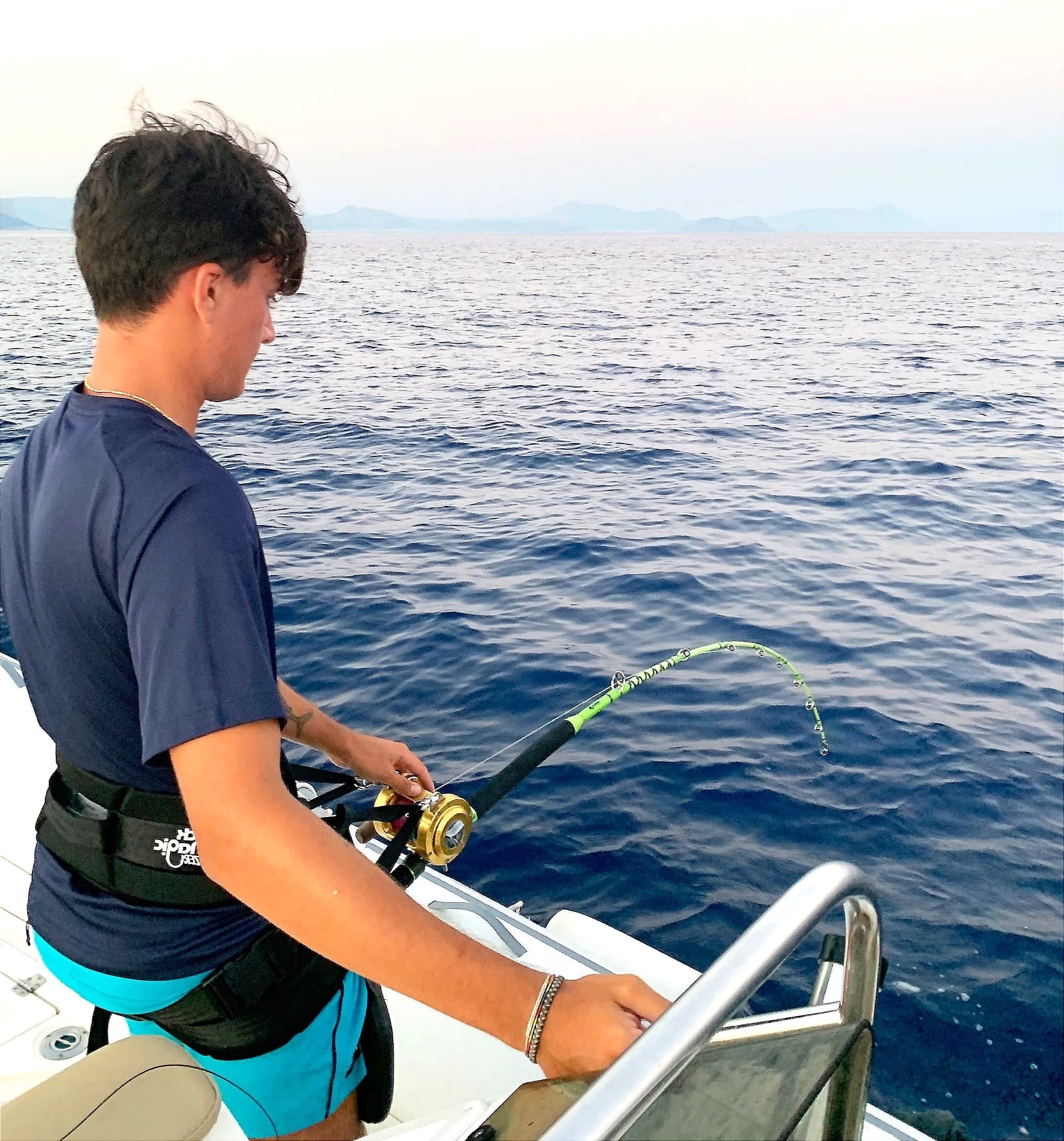
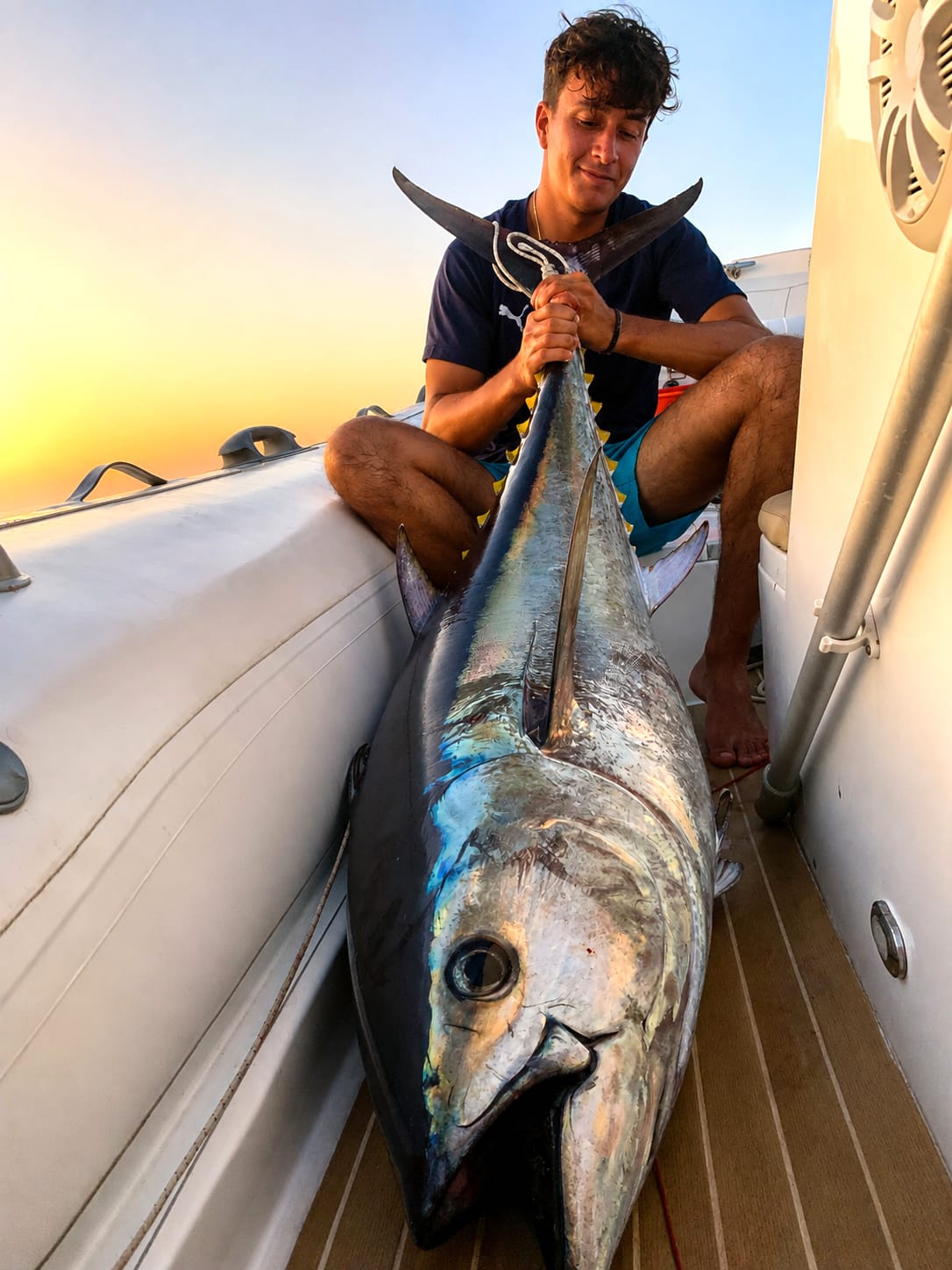
Pesce più grosso a canna? All’Arenella, nel palermitano. Ero con mio padre, una bella giornata ormai al tramonto. Pescavo in drifting con una Trabucco acid pro 30 libbre, un Gladiator 6/0 con preterminale mm 0,80 e terminale 0,65, quindi frizione abbastanza aperta. Allamai un tonno rosso che mi fece dannare per un’ora e 20 minuti. Alle 21,40, ormai al buio, un mostro di circa 100 chili era al raffio.
Il posto più affascinante? Il Biscione, tra Marsala e Mazara del Vallo. È molto particolare perché c’è molta corrente. Il fondale è fantastico, calcarenitico, ricoperto di posidonia e gorgonia. Un ambiente cupo che sa di selvaggio, pieno di pesci, tanti e grossi.
Riccardo Emma
By Alberto Belfiori
Success usually comes after a difficult, sometimes exhausting apprenticeship. Riccardo has developed enormously in a short time, and at just 22 he is already involved in the international competition circuit.
Born in Palermo, twenty-two years old, a marine technology engineer, a top-level competitor and Giacomo De Mola’s assistant at the Euro-African Championship at the end of the month. That is the briefest—and most incomplete—introduction to Riccardo Emma, a very young spearfisher who grew up under the influence of a star: Nicola Riolo.
Your first steps?
In the sea? In summer, of course, with my mum in Palermo, but also in Letojanni and Caronia, where we spent our holidays. At eight or nine, with a mask and fins, I followed my dad as he took shots at a bit of everything, without any grand ambitions. With him I also started rod fishing: bottom fishing, trolling lures and fishing with a Bolognese float rod from the pier. At fourteen, I took an introductory freediving course with ASD Mediterranea. The instructor was Gianfranco Concas, coach of depth freediver Alessia Zecchini.
Your first experience?
My first underwater thrill came at Filicudi, where I caught my first octopus with a small gaff.
Did the speargun arrive at sixteen?
At sixteen, after passing into my third year of secondary school, I found a long present tied with a bow on the living-room sofa: it was a speargun.
Your first significant fish?
It was only a few days after that gift. School was over, and I was on holiday in Caronia in the middle of August. I spotted a small group of triggerfish on the bottom, at about 15 metres, and recognised them straight away. I dived down and easily hit one weighing two kilograms. Overjoyed, I rushed ashore to tell everyone about the adventure and proudly show off my first proper catch.
What happened next?
My father lost some of his enthusiasm, so I had to manage on my own and teach myself. I began going out from shore and posting on social media. My name and catches started circulating online, which helped me meet other people and gain new experiences.
How did you get into competitions?
I have Paolo Catania to thank, as well as Francesco Sacco. Paolo gave me my first experience of fishing from a RIB. After an apprenticeship as his boatman, I persuaded him to bring a third person aboard so that I could dive too.
I have to say that my debut alongside such a great competitor and an even better swimming instructor in Palermo was a huge success. It was the first of November, and I was delighted. On my first dive I shot a white seabream, while he got nothing. On the second dive I shot another white seabream, and again he got nothing. As far as I was concerned, I could have gone home satisfied and spent a week feeling very pleased with myself. But there were so many fish that we finished with about ten each, a mixture of white seabream and brown meagre.
Paolino gave me his seal of approval, and for a year we went out together once or twice a week. Around that time, my family decided to replace our boat with a RIB, which meant I could go fishing more often, including on my own.
That was how competitions came my way. At eighteen, I entered my first qualifying event, at Terrasini, representing “I Love Pescasub”. It was a disaster: a complete blank. My opponents included Riolo, Sacco, Catania and Mancia… all the strongest competitors. I had lost the contest but gained a great deal of experience.
When did things start coming together?
In 2024, I qualified for the second division and competed in the Italian Championships in 2025 at Mola di Bari. I was very determined: I even postponed my university commitments by six months so I could train and focus on fishing.
Fortunately, it went reasonably well, despite a weak first day because the water was extremely murky—terrible. On the second day I recovered strongly and finished tenth among the twenty who qualified for the top-flight championship. Caprini won.
This year, at the end of June, after winning my battle with the professors, I arrived in Mazara del Vallo almost a month before the competition, with Manfredi as my boatman. The sunny weather was on our side. During preparation I marked plenty of fish, thanks to Riolo’s advice and a few spots he generously shared, but above all thanks to my brother, who gave up a month to help me.
And so I started imagining the whole thing: me as the star, triumphantly stepping onto the podium. But reality was different!
At the start, I reached my first mark at 35 metres, unfortunately alongside two other competitors, La Mantia and Cappelletti. Feeling nervous and bothered by the current, I missed a brown meagre. I moved to another mark but found no sign of a goldblotch grouper. My third dive was also fruitless, in clearer, warmer water but with an even stronger current.
I moved to the dentex, where I had always seen them, at three sites about 100 metres apart. I could see them, but perhaps because the water was too clear, they never came within range. So I fell back to shallower water and shot several white seabream. Then I moved even closer in, to 10–15 metres, to search the many seabream holes I had marked. Nothing: someone had already been through.
I spent the final two hours of the competition between 15 and 25 metres, particularly on a tiny spot surrounded by Posidonia seagrass. I finished with six white seabream, five wrasse and a respectable eighth place, which also opened the door to Cressi for me.
Your biggest fish?
A grouper weighing almost 20 kilograms, a mile northeast of my home. It was two years ago, in November. The weather was gloomy, but conditions underwater were fantastic: warm, clear water, a favourable current and only a slight sea.
I shot a few white seabream and brown meagre in a hole I knew, where I had also caught my first grouper, an 11-kilogram fish. The current was very strong, so I held position with the MotorGuide. On my first dive I failed to get directly above the spot at 26 metres. The hole is very difficult to find because it blends into the seabed and is hidden by Posidonia.
On my second dive I located the main entrance. She was there, facing out, apparently relaxed. I fired and brought her up on the same dive.
And the strangest?
Not strange, but unusual because it normally lives deeper. It was three years ago. I launched from the trailer at Mazara and travelled 40 nautical miles to reach the destination. Pantelleria Bank lies 15 nautical miles northwest of the island of the same name. Its summit is at 18 metres, rising from a seabed at 40–50 metres, with drop-offs down to 90, where dusky grouper and forkbeard are the main species encountered.
It was July, the weather was fine, and I was with Salvo Natoli. On one part of the bank there is a beautiful ledge dropping 10 metres. I moved along a little and saw a red porgy in the shade, holding in the current along the drop-off. I approached carefully and shot it in the head from above. It weighed four and a half kilograms.
Any mishaps?
Shortly before the Italian Championship, while training in April, I activated the MotorGuide and dived. The current carried me away from the vertical line beneath the boat, and when I surfaced I saw the RIB quite a distance away. I did not panic, but getting back to it took a considerable effort.
If you can call it a mishap… once, near Palermo, at Aspra, where the water is almost always murky with about a metre and a half of visibility, a huge bottlenose dolphin passed a metre in front of my mask. Naturally, it frightened me, but there was no danger.
Something else happened this summer. I made a dive and, for a moment, thought I glimpsed something large very close by, but paid little attention to it. From the RIB, though, they told me it was very, very probably a mako.
What is your favourite technique?
I grew up stalking fish in shallow water, and I have taken that same technique deeper. So I would say I feel comfortable stalking and approaching fish on the descent.
Your working depths?
I am comfortable at 40 metres too. But I intend to gain a deeper understanding of freediving. I need to understand how certain mechanisms work that are still a little unclear to me, so I will undertake an appropriate training programme.
Other interests? A plan B to the speargun?
Rod fishing! Especially live-bait trolling, drifting and vertical techniques, including bottom fishing.
Your biggest fish on a rod?
At Arenella, near Palermo. I was with my father, and a beautiful day was drawing towards sunset. I was drift fishing with a 30 lb Trabucco Acid Pro, a Gladiator 6/0, a 0.80 mm upper leader and a 0.65 mm terminal leader, so the drag was set fairly light.
I hooked a bluefin tuna that put me through the wringer for an hour and twenty minutes. At 9.40 p.m., by then in darkness, a monster weighing around 100 kilograms was at the gaff.
The most fascinating place?
Biscione, between Marsala and Mazara del Vallo. It is very distinctive because there is so much current. The seabed is fantastic: calcarenite covered with Posidonia and sea fans. A shadowy place with a wild feel, full of fish—lots of them, and big ones.
Commenti ()